
Beautiful Plants For Your Interior
Beautiful Plants For Your Interior
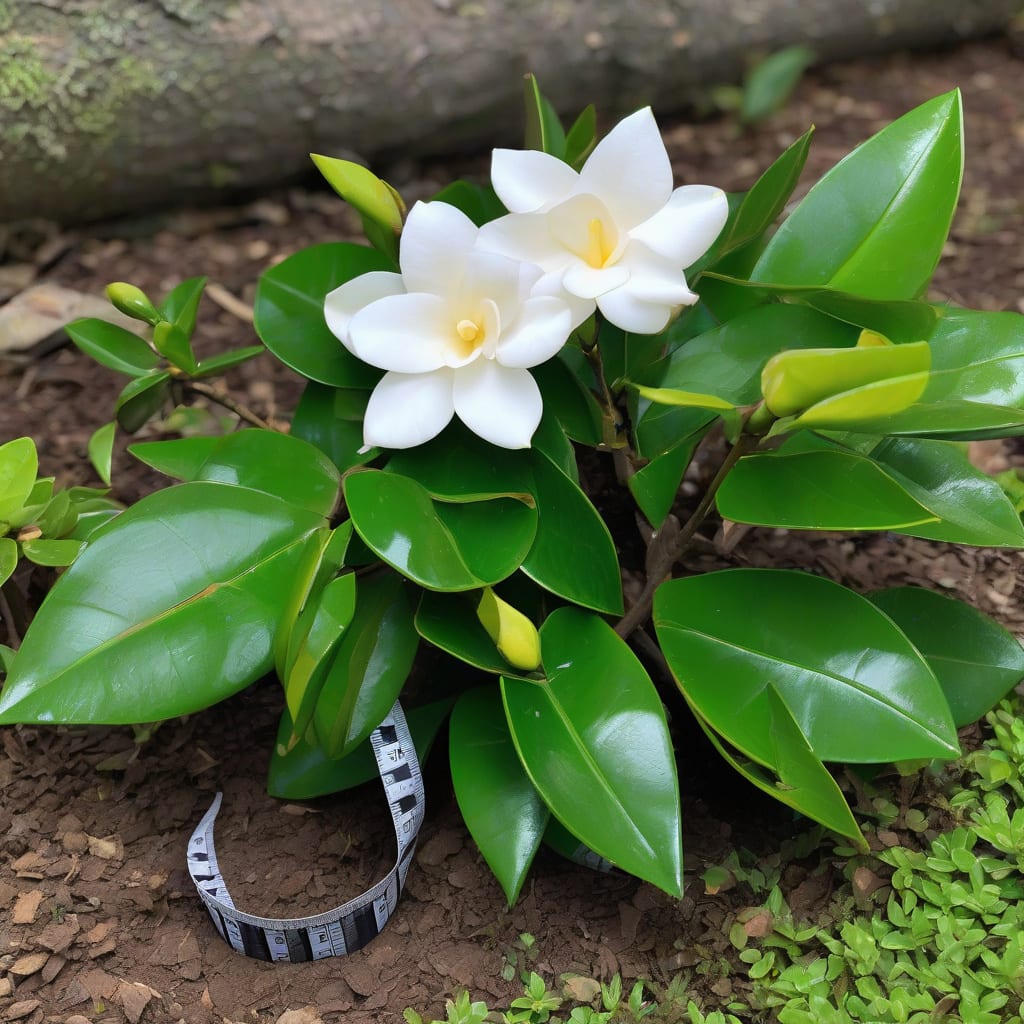
Gardenias are prized for their fragrant flowers 💐 and glossy leaves, but understanding their growth habits is crucial for proper placement in your garden or indoor space. In USDA zone 8b, they can thrive beautifully.
Let’s explore how tall gardenias can grow and what factors influence their height. Knowing this will help you choose the right variety for your space and provide the best care for your plants.


Gardenias are known for their beautiful, fragrant flowers and glossy leaves, making them a popular choice for both indoor and outdoor gardens. Understanding their growth habits is essential for proper care and placement. Gardenias typically grow as evergreen shrubs, with their size varying based on the specific variety and growing conditions 🌿.
The height of gardenias can range significantly, from compact varieties that stay under 2 feet tall to standard types that can reach 6 feet or more. Factors such as soil quality, light exposure, and pruning practices all play a role in determining the final height of your gardenia plant 🌻.
Gardenias are generally considered medium-sized shrubs that can fit into various garden designs. Their size makes them suitable for foundation plantings, hedges, or specimen plants in the landscape 🌱.
The growth habit of gardenias is typically dense and compact, making them excellent choices for hedges or borders. Their evergreen foliage provides year-round interest, while their flowers add a burst of fragrance and color during the blooming season 💐.
Factors influencing gardenia size include the specific cultivar, growing conditions, and maintenance practices. Choosing the right variety for your space and providing appropriate care can help ensure your gardenia reaches its full potential without becoming too large or unruly 🌿.
When selecting a gardenia, consider the mature size of the plant to ensure it will fit in your desired location. Dwarf varieties are available for smaller spaces, while standard types can be used for larger areas or hedges 🌻.
Gardenias are known for their glossy, dark green leaves that provide a beautiful backdrop for their fragrant flowers. The leaves are typically 2-4 inches long and have a leathery texture, adding to the plant’s overall appeal 🌱.
In ideal conditions, gardenias can grow quite large, reaching heights of 6-8 feet. However, with proper pruning and care, you can maintain a more compact size that suits your garden or indoor space 🌼.
Understanding the growth habits of gardenias is crucial for providing the best care. By knowing how tall and wide they can grow, you can plan your garden or indoor space accordingly, ensuring your gardenias thrive and remain healthy 💐.
Gardenias are versatile plants that can be used in various garden designs, from formal hedges to informal borders. Their size and growth habit make them suitable for many different landscaping needs 🌿.
To summarize, gardenias are medium-sized shrubs that can grow quite large in ideal conditions. By understanding their growth habits and choosing the right variety for your space, you can enjoy these beautiful plants in your garden or indoor space 🌻.
Gardenia height is influenced by multiple factors that gardeners can control to achieve their desired plant size. Understanding these factors is crucial for maintaining healthy plants that fit perfectly in your garden or indoor space 🌿.
Light exposure plays a critical role in determining gardenia height. Plants grown in brighter light conditions tend to be more compact, while those in lower light conditions may stretch taller. Gardenias generally prefer partial shade to bright indirect light for optimal growth 🌻.
Proper care practices, including light management, soil quality, watering, and pruning, are essential for controlling gardenia height and spread.
Soil quality significantly affects gardenia growth. These plants thrive in acidic, well-draining soil rich in organic matter. Poor soil conditions can lead to stunted growth or excessive stretching as the plant searches for nutrients 🌱.
Watering practices also impact gardenia size. Consistent moisture is key, as both under-watering and over-watering can stress the plant and affect its growth habit. Gardenias generally require weekly watering during hot weather 💧.
Pruning techniques are essential for managing gardenia size. Regular pruning not only maintains the desired height but also encourages dense, bushy growth. Prune after blooming to avoid cutting off flower buds 🌼.
The combination of these factors – light, soil, watering, and pruning – determines the final height and spread of your gardenia plant. By carefully managing these elements, you can maintain a healthy, compact gardenia that fits perfectly in your desired space 🌻.
Gardeners should monitor their plants regularly and adjust care practices as needed to achieve the desired size and health for their gardenias 🌱.
Understanding how these factors interact will help you create optimal growing conditions for your gardenias, ensuring they remain healthy and beautiful for years to come 💐.
Gardenias can grow quite large if left unpruned, but with proper maintenance, you can control their size and shape. Regular pruning is essential for maintaining a compact gardenia that fits your space 🌿.
The best time to prune gardenias is immediately after they finish blooming. This timing ensures you don’t cut off next year’s flower buds while shaping the plant 🌻.
Start by removing any dead, diseased, or damaged branches to maintain plant health and appearance.
Selectively prune branches to maintain your desired shape and size, cutting back to just above a leaf node.
Remove some interior branches to improve air circulation and light penetration, promoting healthier growth.
Pruning techniques not only control size but also encourage dense, bushy growth. Make clean cuts just above a leaf node using sharp, clean pruning shears 🌼.
For gardeners looking to create hedges, regular trimming will help maintain a uniform height and promote denser foliage. Use hedge clippers for larger hedges or shears for more precise shaping 🌱.
To maintain your gardenia’s size effectively, prune annually and monitor growth throughout the year. This practice keeps your plants looking their best and prevents them from becoming overgrown 🌻.
By following these pruning and training tips, you can enjoy beautiful, fragrant gardenias that fit perfectly in your garden or indoor space 💐.
