
Beautiful Plants For Your Interior
Beautiful Plants For Your Interior
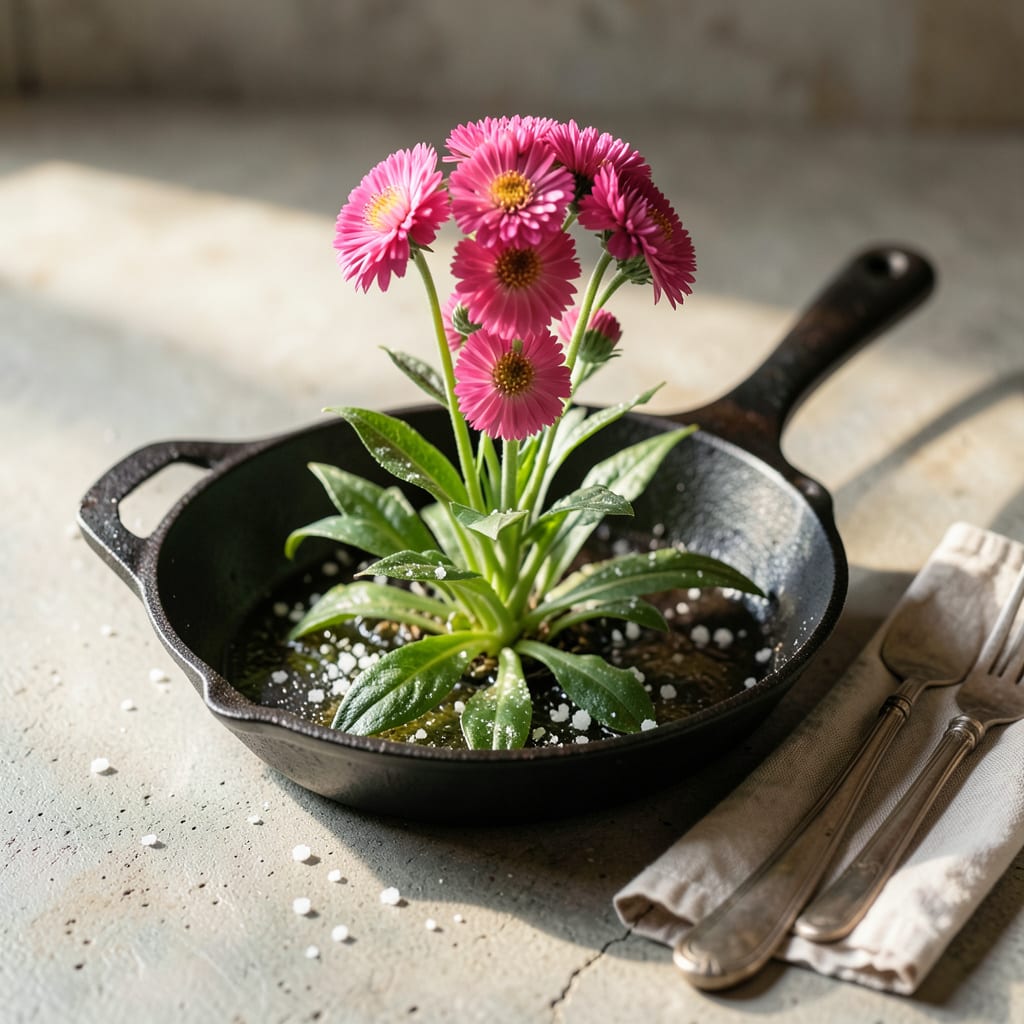
When growing Dianthus 💐, understanding their height is crucial for garden planning. These beautiful flowers can add vibrant colors to your garden, but their growth patterns vary.
I find that Dianthus plants typically grow between 1-3 feet tall, depending on the variety and growing conditions in USDA Zone 6. Let’s explore what affects their height and how to manage it.

Dianthus plants are known for their vibrant colors and sweet fragrance, but their height can vary significantly depending on the variety. Understanding these growth patterns is essential for garden planning and optimal placement.
I find that Dianthus plants generally grow between 1-3 feet tall, with some compact varieties remaining as low as 6 inches while others can reach up to 3 feet in height. The growth habit can range from compact and bushy to taller and more upright.
The height of Dianthus plants is influenced by their specific variety, with dwarf types being more compact and border varieties growing taller. Most Dianthus plants tend to have a mounded or bushy growth habit, making them suitable for various garden placements.
When selecting Dianthus for your garden, it’s essential to consider the mature height of the variety you’re planting. This will help you plan their garden layout effectively and ensure that the plants have enough space to grow. Some gardeners also use pruning techniques to maintain a desired height and shape.
Dianthus plants are generally low-maintenance and can thrive in various conditions, making them a popular choice for gardeners. Their height can be influenced by factors such as soil quality, sunlight, and watering practices. 🌼
Different varieties of Dianthus offer a range of heights, from compact ground covers to taller border plants. This diversity allows gardeners to choose the perfect Dianthus for their specific needs and garden designs.
I have found that regular deadheading can encourage Dianthus plants to produce more blooms and maintain a healthy, bushy shape. This practice can also help control the overall height of the plant.
Overall, Dianthus plants are versatile and can be used in various garden settings, from container gardens to traditional flower beds. Their relatively modest height makes them an excellent choice for adding color and fragrance to gardens without overwhelming other plants.
By understanding the growth patterns and typical heights of different Dianthus varieties, gardeners can make informed decisions about plant placement and care, ensuring their garden remains beautiful and thriving.
Dianthus plant height is influenced by various factors including soil quality, light exposure, and gardening practices. Understanding these elements helps gardeners optimize growing conditions for their Dianthus.
The height of Dianthus plants can be significantly affected by soil quality and nutrient availability. Plants grown in well-draining soil with adequate nutrients tend to reach their maximum potential height more effectively.
Dianthus plants require full sun to partial shade and well-draining soil to reach their optimal height. Regular watering and balanced fertilization also contribute to healthy growth.
Light exposure is another critical factor affecting Dianthus height. Plants receiving adequate sunlight (at least 6 hours of direct sunlight) generally grow stronger and taller than those in shadier conditions.
Watering practices also play a role in determining Dianthus plant height. Consistent moisture levels promote healthy growth, while drought stress can limit plant height.
I recommend maintaining moderate watering and ensuring the soil doesn’t become too dry or waterlogged. This balanced approach helps Dianthus plants achieve their full height potential.
In addition to these factors, fertilization can impact Dianthus height. Using a balanced fertilizer during the growing season provides necessary nutrients for optimal growth.
By understanding and managing these factors, gardeners can create optimal conditions for their Dianthus plants to grow and thrive, reaching their expected height ranges.
Regular maintenance practices like deadheading and pruning also contribute to maintaining a healthy and vigorous plant, which can indirectly affect overall height.
Overall, a combination of good soil quality, appropriate light exposure, and proper care practices will help Dianthus plants achieve their maximum height potential and remain healthy throughout the growing season 🌼.
To effectively manage Dianthus height, gardeners need to understand proper pruning and maintenance techniques. Regular maintenance not only controls height but also promotes healthier plants and more abundant blooms.
I find that pruning Dianthus is essential for maintaining a desired height and shape. The best time to prune is after the first bloom cycle, typically in early summer. This encourages a second round of blooming and helps maintain a compact, bushy growth habit.
When pruning Dianthus, cut back spent flowers to encourage new growth and maintain plant height. Remove any dead or damaged stems to promote overall plant health.
Deadheading is another crucial maintenance practice for managing Dianthus height. By removing spent flowers, you encourage the plant to produce more blooms rather than focusing energy on seed production. This helps maintain a healthy, bushy shape and can control the overall height of the plant.
For taller varieties, pinching back young plants can help control their height and promote a more compact growth habit. This involves gently pinching off the growing tips to encourage branching.
Regular maintenance also includes monitoring for signs of disease or pests, which can affect plant height and overall health. Keeping the area around plants free from debris and weeds helps prevent issues and maintains optimal growing conditions.
I recommend checking your Dianthus plants regularly and performing maintenance tasks as needed. This proactive approach will help you achieve the desired height and keep your plants thriving throughout the growing season 🌼.
