
Beautiful Plants For Your Interior
Beautiful Plants For Your Interior
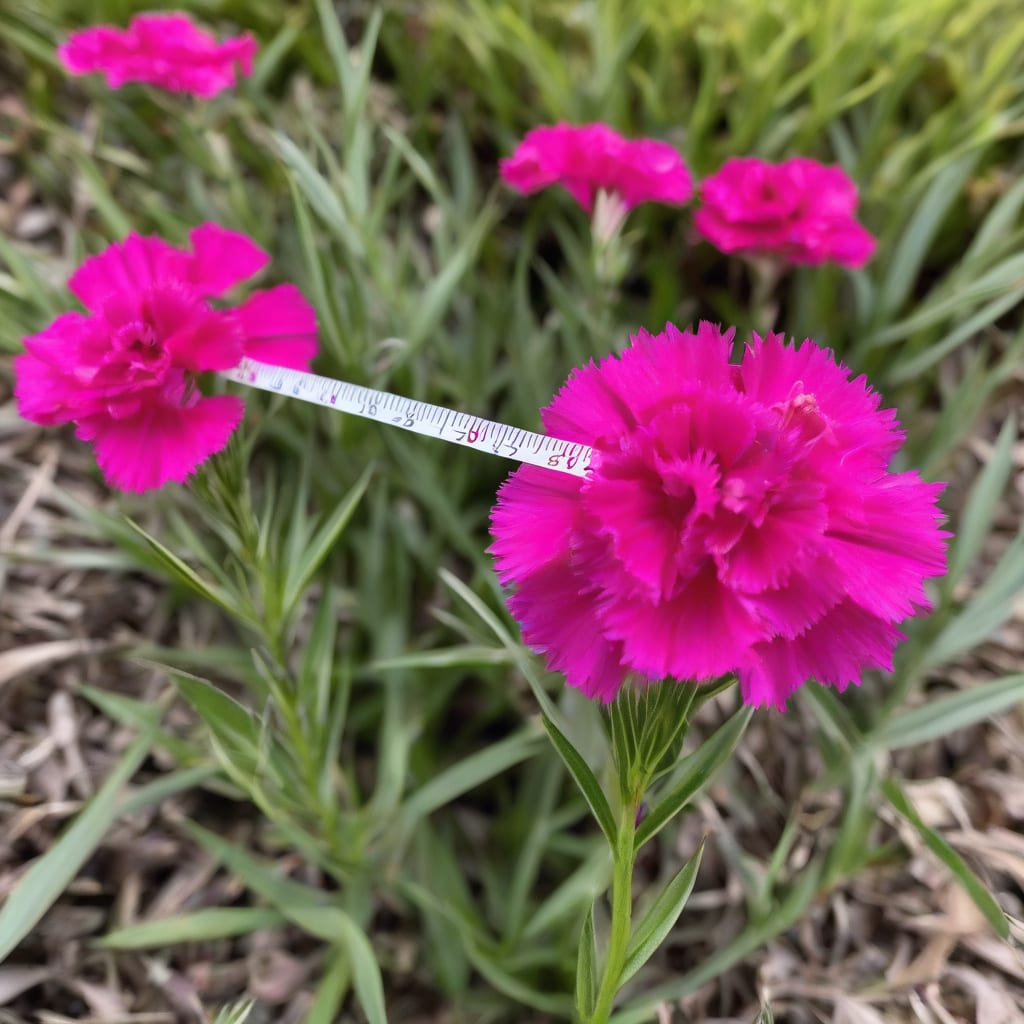
When I think about adding beauty to my garden, Dianthus 💐 immediately comes to mind. These lovely flowers come in various heights, making them perfect for different garden spaces.
Understanding how tall Dianthus plants can grow helps me choose the right variety for my garden in USDA Zone 6, ensuring they thrive and add vibrant color throughout the summer months.

Dianthus plants are known for their vibrant colors and varied growth heights. The height of Dianthus plants can range from 6 inches to 3 feet, depending on the specific variety. This wide range makes them suitable for different garden layouts and designs 🌼.
I find that understanding the different types of Dianthus and their growth habits is crucial for garden planning. Whether you’re looking for compact varieties for containers or taller plants for borders, there’s a Dianthus variety to suit your needs.
The dwarf varieties of Dianthus are perfect for containers or rock gardens, providing a burst of color without overwhelming the space. These compact plants typically grow between 6-12 inches tall 🌿.
Compact varieties are great for border edges or mass plantings, reaching heights of 12-18 inches. They offer a nice balance between visibility and manageability.
For more dramatic displays, standard and tall varieties can be used. These plants can grow up to 2-3 feet tall, making them ideal for the back of borders or as focal points in the garden 🌻.
When selecting Dianthus, it’s essential to consider the mature height of the plant to ensure it fits well in your garden design. Proper spacing and placement can enhance the overall appearance and health of the plants.
I always recommend checking the specific height range for the Dianthus variety you’re planting. This information is usually available on the seed packet or plant label.
Some Dianthus varieties are bred for compact growth, while others may require staking to maintain their height. Understanding these needs helps in planning your garden layout.
The height of Dianthus can also be influenced by growing conditions such as sunlight, soil quality, and watering practices. Optimal conditions can help plants reach their full height potential.
In my experience, providing full sun and well-draining soil can significantly impact the height and overall health of Dianthus plants. Regular maintenance, including deadheading, can also encourage bushier growth.
By choosing the right Dianthus variety and providing appropriate care, you can enjoy these beautiful flowers at their full height potential, adding charm and color to your garden 🌺.
When growing Dianthus, I’ve found that several factors can significantly influence their ultimate height. Understanding these elements helps me create optimal growing conditions for these beautiful flowers 🌼.
Soil quality plays a crucial role in determining Dianthus height. These plants prefer well-draining soil with a slightly alkaline pH between 6.0 and 7.0. Poor soil conditions can limit root development and affect overall plant height.
To maximize Dianthus height, focus on providing optimal growing conditions including proper soil quality, adequate sunlight, and appropriate watering practices.
Sunlight exposure is another critical factor. Dianthus plants require full sun to thrive, needing at least 6 hours of direct sunlight daily. Insufficient light can result in weaker, leggy growth and reduced height 🌻.
Watering practices also impact Dianthus height. These plants prefer consistent moisture during their growing season, but overwatering can be detrimental. I
Fertilization can influence Dianthus height as well. Feeding them with a balanced fertilizer during the growing season (spring through early summer) provides necessary nutrients for healthy growth and optimal height.
Deadheading is a maintenance practice that can affect Dianthus height. By removing spent flowers, I encourage the plants to focus energy on producing more blooms rather than seed production, which can promote bushier growth.
Pruning after the first flush of blooms can also help control height and encourage a second round of flowering. Cutting back the stems by about one-third can help maintain a compact shape.
By understanding and managing these factors, I can help my Dianthus plants reach their full height potential while maintaining overall health and vigor 🌺.
In my experience, combining these practices creates ideal conditions for Dianthus to thrive and achieve their maximum height.
When selecting Dianthus for my garden, I consider the mature height of the plants to ensure they fit perfectly in my garden design. The height of Dianthus plants can range from 6 inches to 3 feet, offering various options for different garden layouts 🌼.
I find that understanding the different types of Dianthus and their growth habits is crucial for garden planning. Whether you’re looking for compact varieties for containers or taller plants for borders, there’s a Dianthus variety to suit your needs.
By choosing the right Dianthus variety based on height, I can create a balanced and visually appealing garden display. Proper spacing and placement are key to enhancing the overall appearance and health of the plants.
I always recommend checking the specific height range for the Dianthus variety you’re planting. This information is usually available on the seed packet or plant label, helping you make informed decisions for your garden 🌺.
Understanding the mature height of Dianthus plants helps in planning companion planting and overall garden layout. It’s essential to consider how different heights will work together in your garden space.
In my experience, combining Dianthus of different heights with complementary plants creates a dynamic and engaging garden environment. This thoughtful approach to garden design can significantly enhance the beauty and enjoyment of your outdoor space.
