
Beautiful Plants For Your Interior
Beautiful Plants For Your Interior
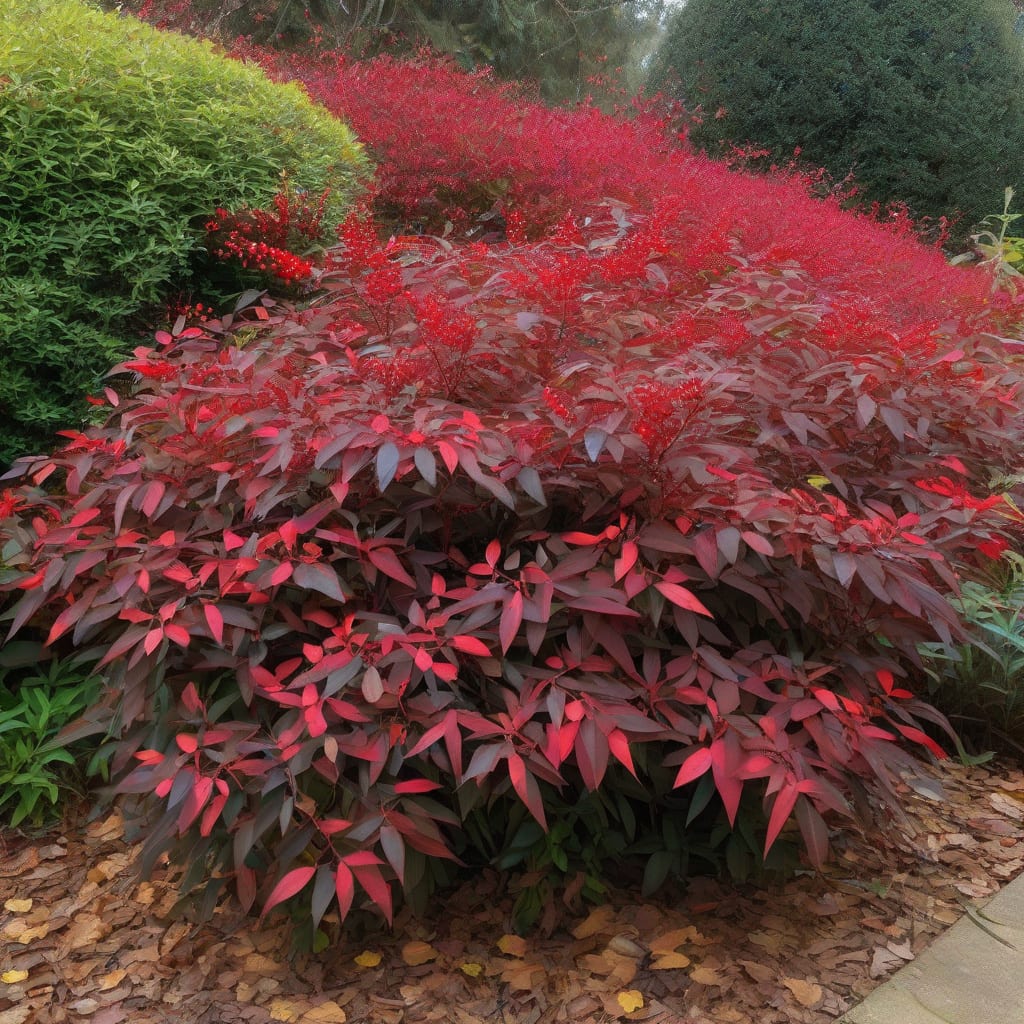
When planning your garden, understanding how tall your Nandina 🌿 will grow is crucial for creating a balanced landscape. Nandina domestica, commonly known as heavenly bamboo, can add year-round interest with its vibrant foliage.
The height of Nandina plants varies, typically growing between 3 to 8 feet tall, depending on factors like variety and growing conditions in your USDA Zone 6 garden. Let’s explore what influences their growth and how to manage their height effectively.


Nandina plants, also known as heavenly bamboo, can grow to varying heights based on several factors. Understanding these factors is crucial for garden planning and maintenance.
The typical height range for Nandina plants is between 3 to 8 feet, with some varieties growing taller than others. The maximum height is largely influenced by the specific cultivar and growing conditions.
The height of Nandina plants is influenced by several key factors, including the specific variety, growing conditions, and maintenance practices. Different cultivars have different growth habits, with some being naturally more compact while others tend to grow taller.
Growing conditions such as sunlight exposure, soil quality, and watering practices also play a significant role in determining the final height of Nandina plants. Plants grown in optimal conditions with proper care tend to reach their maximum potential height.
Regular maintenance, particularly pruning, can significantly impact the height and overall shape of Nandina plants. Proper pruning techniques help maintain the desired height while promoting healthy growth and maintaining the plant’s natural aesthetic.
Nandina plants generally exhibit a moderate growth rate, typically increasing in height by 1-2 feet per year under optimal conditions. This growth rate can vary based on the factors mentioned above.
When planning your garden, it’s essential to consider the mature height of your Nandina plants to ensure proper spacing and placement. This will help create a balanced and visually appealing landscape.
For gardeners in USDA Zone 6, Nandina domestica is a hardy and versatile option that can thrive with proper care. Understanding the growth expectations and factors influencing height will help you make informed decisions about incorporating Nandinas into your garden design.
By considering the specific needs and growth patterns of Nandina plants, you can effectively manage their height and enjoy their year-round beauty in your outdoor space.
Proper care and maintenance are key to ensuring that your Nandina plants reach their full potential height while maintaining a healthy and attractive appearance throughout the year 🌿.
The height of Nandina plants is influenced by several key factors that gardeners should consider when planning their garden. Understanding these factors will help you create optimal growing conditions for your Nandinas 🌿.
Sunlight exposure plays a significant role in Nandina growth. While these plants can tolerate a range of light conditions, they generally thrive in partial shade to full sun. In areas with intense sunlight, providing some afternoon shade can help prevent leaf scorch.
By understanding and managing these factors, you can optimize the growth of your Nandina plants and enjoy their beautiful foliage throughout the year 🌿.
Nandina plants are generally low-maintenance and can thrive in a variety of conditions. However, being mindful of their specific needs will help you achieve the best results in your garden.
For gardeners in USDA Zone 6, Nandina domestica is an excellent choice for adding year-round interest to your landscape. With proper care and attention to the factors that influence their growth, you can enjoy these beautiful plants for years to come.
Regular monitoring and adjustment of growing conditions will help ensure that your Nandina plants reach their full potential height while maintaining a healthy and attractive appearance.
Maintaining the desired height of your Nandina plants is crucial for a balanced garden landscape. Regular pruning and proper maintenance are key to achieving this 🌿.
Pruning is the most effective way to control Nandina height. The best time to prune is in late winter or early spring before new growth begins. Remove any dead or damaged stems to promote healthy growth.
Determine the desired height based on your garden design and Nandina variety.
Cut back tall stems to the desired height, making clean cuts just above a node.
Eliminate any dead, diseased, or damaged stems to maintain plant health.
In addition to pruning, regular maintenance is essential for managing Nandina height. Ensure proper watering, fertilizing, and mulching to promote healthy growth 🌱.
For gardeners in USDA Zone 6, Nandina domestica is a versatile and hardy option. By following these pruning and maintenance tips, you can enjoy beautifully managed Nandina plants that enhance your garden’s aesthetic appeal.
Proper care and regular maintenance will help you achieve the desired height for your Nandina plants while keeping them healthy and vibrant throughout the year.
