
Beautiful Plants For Your Interior
Beautiful Plants For Your Interior
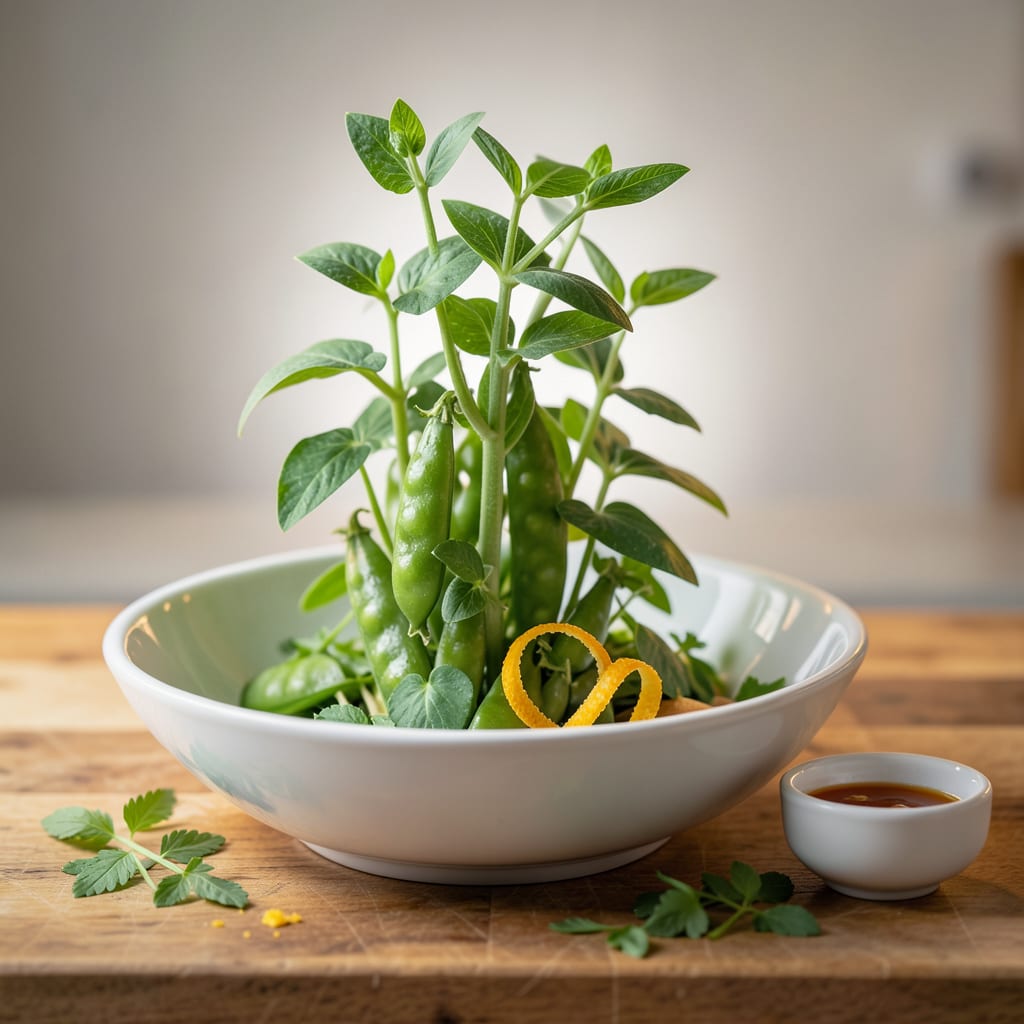
Growing Pea 🌱 plants can be a rewarding experience, but have you ever wondered how tall they’ll actually grow? Understanding their height is crucial for planning your garden layout and providing the right support.
Pea 🌱 plants can grow anywhere from 2 to 6 feet tall, depending on the variety and growing conditions in your USDA Zone 6 garden. Let’s explore what influences their growth and how to maximize their potential.


Pea plants are known for their climbing ability and varying heights. The height of pea plants can range from 2 to 6 feet, depending on several factors. Understanding these factors is essential for gardeners to provide the right support and optimize growing conditions 🌿.
The primary factors that influence pea plant height include the variety of pea, growing conditions, and the support system provided. Different pea varieties have distinct growth habits, ranging from dwarf types that grow 2-3 feet tall to standard varieties that can reach 6 feet or more 🌱.
Growing conditions play a significant role in determining pea plant height. Pea plants require full sun to grow well, so areas receiving 6+ hours of direct sunlight are ideal. They also prefer well-draining, fertile soil with adequate moisture 🌟.
Soil quality is another critical factor. Peas prefer loamy soil rich in organic matter. Adequate watering is essential, especially during flowering and pod formation. However, overwatering can lead to root rot and other issues, so it’s crucial to maintain consistent moisture without waterlogging 💦.
The support system provided to pea plants can significantly influence their height. Using trellises, stakes, or cages helps plants climb and reach their maximum height potential. Proper support also improves air circulation, reducing the risk of disease and making harvesting easier 🌼.
By understanding these factors, gardeners can create optimal conditions for their pea plants to thrive. Whether growing dwarf or standard varieties, providing the right support and maintaining good growing conditions are key to maximizing plant height and yield 🌻.
In summary, pea plant height is influenced by a combination of variety selection, growing conditions, and support systems. By choosing the right variety and providing optimal growing conditions, gardeners can enjoy a bountiful harvest of delicious peas 🥗.
For gardeners in USDA Zone 6, planting pea seeds in early spring or late summer is ideal. Ensuring the soil is prepared with balanced fertilizer and maintaining consistent moisture will support healthy growth and maximize height 🌞.
With proper care and support, pea plants can grow to their full potential, providing a rewarding gardening experience and a delicious harvest. By following these guidelines, gardeners can make the most of their pea crop and enjoy the benefits of growing these versatile vegetables 🌟.
When growing tall pea plants, providing proper support is crucial for maximizing growth and yield. Pea plants can grow anywhere from 2 to 6 feet tall, and without adequate support, they can become tangled and produce fewer pods 🌿.
The right trellis system not only helps plants grow taller but also improves air circulation, reduces disease risk, and makes harvesting easier. Let’s explore some effective trellis options and techniques for supporting tall pea plants 🌻.
When setting up your trellis, make sure it’s sturdy enough to support the weight of the pea plants when they’re laden with pods. Install the trellis at the time of planting to avoid damaging the roots later 🌱.
For maximum effectiveness, train your pea plants to climb the trellis by gently twining the tendrils around the support. This encourages vertical growth and helps prevent the plants from becoming too dense and prone to disease 🌻.
By providing the right support, you can enjoy a healthier, more productive pea crop. Whether you choose a teepee, fence, or netting, your tall pea plants will thank you with a bountiful harvest of delicious peas 🥗.
For gardeners in USDA Zone 6, using a combination of these support methods can help maximize space and yield. Consider mixing dwarf and standard varieties to create a layered effect in your garden, with the taller plants providing a backdrop for the shorter ones 🌼.
With the right trellis and techniques, you’ll be well on your way to growing impressive, productive pea plants that make the most of their growing space 🌟.
To maximize yield from tall pea plants, it’s essential to understand their growth patterns and provide optimal conditions. Tall pea plants can grow anywhere from 3 to 6 feet tall, and with the right support, they can produce a bountiful harvest 🌿.
One key strategy is to ensure your pea plants receive adequate sunlight and consistent moisture. Peas prefer full sun and well-draining soil rich in organic matter. Regular watering is crucial, especially during flowering and pod formation 🌟.
For maximum yield, train your pea plants to climb trellises or other supports. This encourages vertical growth and helps prevent disease by improving air circulation 🌼.
Another important factor is fertilization. Feeding your pea plants with a balanced fertilizer every 2-3 weeks can promote healthy growth and maximize yield. Ensure the soil is prepared with organic matter before planting to support robust plant development 🌱.
Finally, regular harvesting is crucial for encouraging continued production. Check your plants frequently for ripe pods, and pick them when they’re plump and tender. This will stimulate the plants to produce more peas 🥗.
By following these expert tips, you can enjoy a productive and healthy pea crop. Whether you’re growing dwarf or standard varieties, providing the right conditions and care will result in a rewarding gardening experience and a delicious harvest 🌞.
