
Beautiful Plants For Your Interior
Beautiful Plants For Your Interior
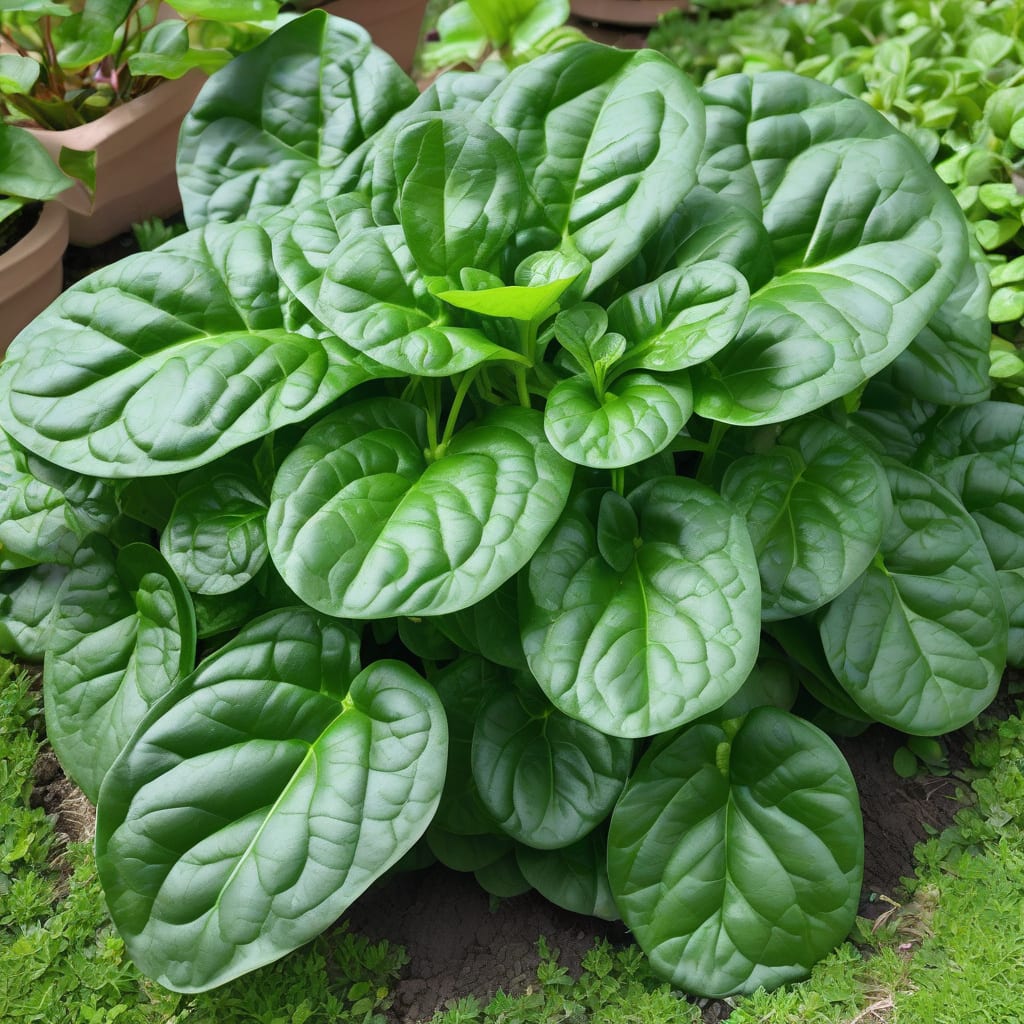
I’ve grown Spinach 🌿 in my garden for years, and I’m always amazed at how quickly it develops. Typically, Spinach plants reach 0.5 to 1 foot in height, making them a great choice for small spaces.
Understanding how tall Spinach plants grow helps you plan your garden layout and optimize growing conditions for a bountiful harvest in USDA Zone 6. Let’s dive into the details of Spinach growth patterns and expert tips for maximizing your yield.


Spinach plants are known for their compact growth habit, typically reaching heights between 0.5 to 1 foot. This makes them ideal for small gardens or container growing. The height can vary slightly depending on the specific variety and growing conditions 🌱.
To better understand spinach growth, let’s examine the different stages of development. Spinach plants go through several growth stages, from germination to maturity. Understanding these stages is crucial for optimizing growing conditions and maximizing yield.
Spinach plants are fast-growing and can be harvested in as little as 20 days after sowing. However, the ideal harvest time is typically around 30 days when the leaves are tender and flavorful 🌿.
The growth rate of spinach can be influenced by several factors, including soil quality, temperature, and light exposure. Understanding these factors is key to optimizing spinach growth and yield.
Soil quality plays a crucial role in spinach growth. Spinach prefers well-draining, fertile soil with a pH between 6.0 and 7.0. Adding organic matter like compost can improve soil structure and fertility, promoting healthy spinach growth.
Temperature is another critical factor affecting spinach growth. Spinach is a cool-season crop, thriving in temperatures between 35°F and 75°F. Optimal growth occurs when daytime temperatures are around 60°F to 70°F.
Light exposure also impacts spinach growth. While spinach can tolerate some shade, it generally prefers full sun to partial shade. In warmer climates, providing some afternoon shade can help prevent bolting.
By understanding these growth factors and optimizing growing conditions, you can enjoy a bountiful harvest of delicious, nutritious spinach 🌿.
In summary, spinach plants typically grow to be between 0.5 to 1 foot tall, with a relatively short growth cycle of 20-40 days. By understanding the different growth stages and optimizing growing conditions, you can maximize your spinach yield and enjoy a continuous harvest throughout the growing season.
I’ve found that several environmental factors can significantly impact spinach plant height and overall development. Understanding these factors is crucial for optimizing growing conditions and maximizing yield 🌿.
Temperature plays a critical role in spinach growth. As a cool-season crop, spinach thrives in temperatures between 35°F and 75°F. Optimal growth occurs when daytime temperatures are around 60°F to 70°F. Temperatures that are too high can cause spinach to bolt, or go to seed, which reduces its quality and yield 🔥.
Spinach is sensitive to extreme temperatures. Prolonged exposure to temperatures above 75°F can cause bolting, while temperatures below 35°F can damage or kill the plants.
Soil quality is another important factor affecting spinach growth. Spinach prefers well-draining, fertile soil with a pH between 6.0 and 7.0. Adding organic matter like compost can improve soil structure and fertility, promoting healthy spinach growth 🌱.
Light exposure also impacts spinach growth. While spinach can tolerate some shade, it generally prefers full sun to partial shade. In warmer climates, providing some afternoon shade can help prevent bolting and promote healthier growth 🌞.
Watering is essential for spinach growth. Spinach requires consistent moisture, especially during the germination and seedling stages. However, overwatering can lead to root rot and other problems 💧.
By understanding and managing these environmental factors, you can create optimal growing conditions for your spinach plants, promoting healthy growth and maximizing yield 🌿.
In summary, factors such as temperature, soil quality, light exposure, and watering all play a crucial role in determining spinach plant height and overall development. By optimizing these factors, you can enjoy a bountiful harvest of delicious, nutritious spinach.
To maximize spinach growth and yield, I’ve found that proper planting techniques are essential. Sowing seeds 4-6 weeks before the last frost date or in late summer for a fall harvest gives spinach the best chance to thrive 🌿.
Space spinach seeds 2-3 inches apart in rows that are 12-18 inches apart. This allows for good air circulation and prevents overcrowding, which can lead to disease.
Keep the soil consistently moist, especially during the germination and seedling stages. Water gently but thoroughly to prevent washing away tiny seeds 💧.
Harvest spinach leaves when they are large enough to eat, usually within 20-30 days after sowing. Regular harvesting encourages the plants to produce more leaves 🌟.
By following these expert tips, you can significantly improve your spinach yield and enjoy a continuous harvest throughout the growing season. Remember, spinach is a cool-season crop, so plan your planting schedule accordingly ⏰.
In summary, maximizing spinach growth involves proper spacing, consistent watering, and timely harvesting. By implementing these strategies, you can enjoy a bountiful harvest of delicious, nutritious spinach 🌿.
