
Beautiful Plants For Your Interior
Beautiful Plants For Your Interior
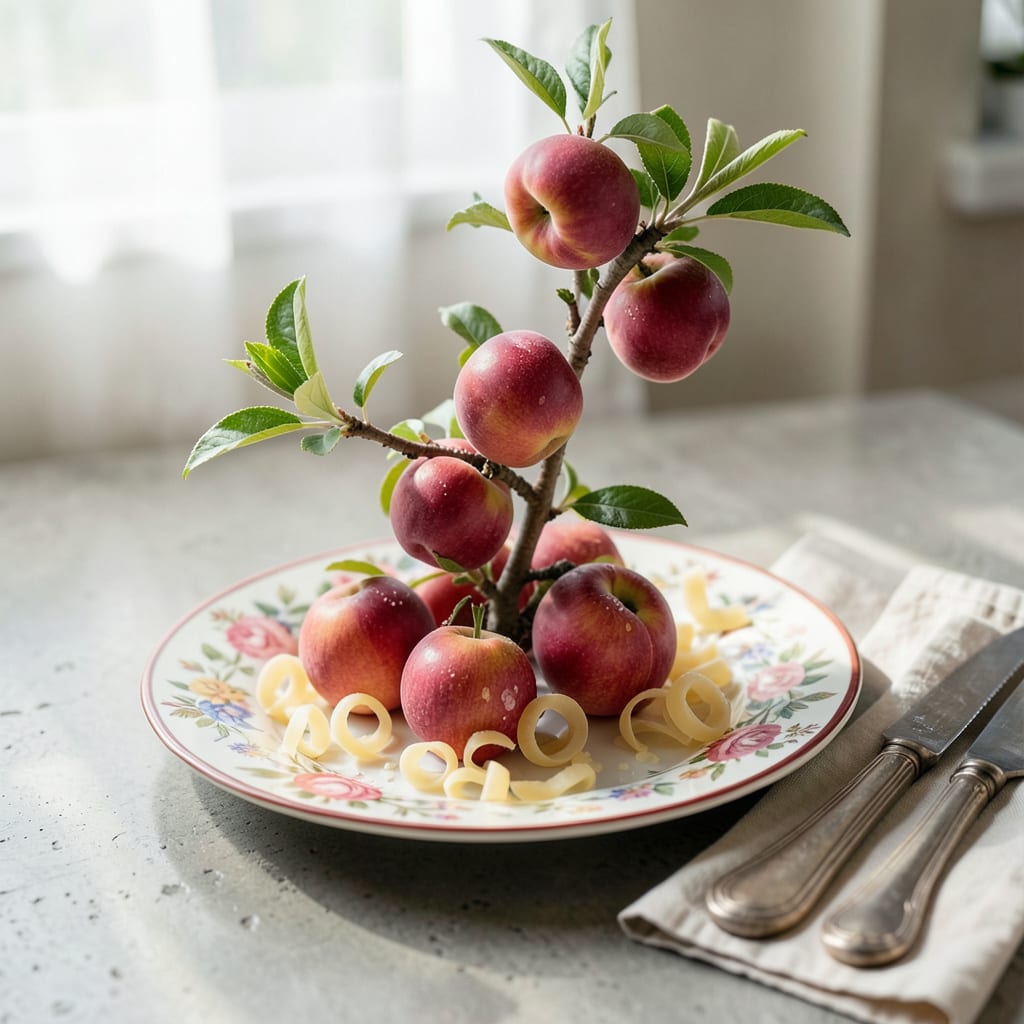
Fertilizing your Apricot Tree 🌳 in California at the right time is crucial for optimal growth and fruit production. In California’s unique climate, timing is everything – fertilizing during the wrong season can actually harm your tree’s health and reduce fruit yield.
I’ve learned that spring is the critical time to focus on for fertilizing Apricot Trees in California, particularly after blooming in late winter to early spring. Let’s explore the best practices for fertilizing your Apricot Tree to ensure a bountiful harvest.

In California’s diverse climate zones, understanding when to fertilize your apricot trees is crucial for their health and productivity. The ideal fertilization period is closely tied to the tree’s growth cycle and the region’s climate conditions.
I recommend fertilizing your apricot trees in late winter to early spring, typically around February or March in California. This timing coincides with the tree’s natural growth cycle, as it begins to produce new leaves and fruit after the dormant winter period.
The key fertilization window is between February and March when the tree is actively growing. This period allows the tree to absorb necessary nutrients for fruit development and overall health.
For regions with different climate conditions within California, such as coastal versus inland areas, the fertilization timing might vary slightly. Coastal regions typically have milder winters, potentially allowing for earlier fertilization, while inland areas with colder winters might need to delay fertilization until the threat of frost has passed.
It’s also worth noting that soil conditions play a significant role in determining the exact fertilization needs. Soil tests can provide valuable information about nutrient deficiencies, helping to tailor the fertilization program to the specific needs of your apricot trees.
When fertilizing, it’s essential to follow the recommended application rates to avoid over-fertilization, which can be harmful to the tree. A balanced fertilizer with an NPK ratio of 10-10-10 is generally suitable for apricot trees.
Additionally, consider the age and health of your apricot trees when planning your fertilization schedule. Younger trees may require more frequent fertilization during their establishment phase, while mature trees might need less frequent applications.
Regular monitoring of your trees’ response to fertilization is also crucial. Look for signs of nutrient deficiencies or excesses, such as leaf color changes or growth patterns, and adjust your fertilization program accordingly.
By understanding and implementing the appropriate fertilization timing and practices, you can significantly improve the health and productivity of your apricot trees in California‘s climate.
For more specific guidance tailored to your local conditions, consulting with local gardening experts or extension services can provide valuable insights into the best practices for your area.
Overall, the key to successful apricot tree fertilization in California is timing your application correctly and being mindful of the tree’s growth cycle and local climate conditions 🌳.
Fertilizing apricot trees in California requires careful consideration of several factors, including soil type, tree age, and climate conditions. To promote healthy growth and fruit production, it’s essential to choose the right fertilizer and apply it at the correct rate.
I recommend using a balanced fertilizer with an NPK ratio of 10-10-10 for apricot trees in California. This type of fertilizer provides equal amounts of nitrogen, phosphorus, and potassium, which are essential for tree growth and development.
Soil testing can help determine nutrient deficiencies and guide fertilizer selection. Consider getting a soil test before fertilizing your apricot trees 🌳.
When applying fertilizer, it’s crucial to follow the recommended application rates to avoid over-fertilization. A general rule of thumb is to apply 1 cup of fertilizer per 10 square feet of tree canopy.
The age and health of your apricot trees also play a significant role in determining the fertilization schedule. Younger trees may require more frequent fertilization during their establishment phase, while mature trees might need less frequent applications.
In addition to fertilizer type and application rate, soil conditions are vital in determining the fertilization needs of your apricot trees. Soil tests can provide valuable information about nutrient deficiencies and pH levels.
Regular monitoring of your trees’ response to fertilization is also essential. Look for signs of nutrient deficiencies or excesses, such as leaf color changes or growth patterns, and adjust your fertilization program accordingly.
By following these fertilization tips and considering the unique needs of your apricot trees, you can promote healthy growth and enjoy a bountiful harvest in California’s climate 🌟.
Fertilizing apricot trees in California can be straightforward if you avoid common mistakes. I’ve seen many gardeners make these errors, which can lead to poor tree health and reduced fruit production.
Over-fertilization can damage your apricot trees. Always follow recommended application rates and consider soil testing before fertilizing 🌳.
One of the most common mistakes is fertilizing too late in the season. Apricot trees in California should be fertilized in late winter to early spring, typically around February or March.
Another mistake is using the wrong type of fertilizer. A balanced fertilizer with an NPK ratio of 10-10-10 is generally recommended for apricot trees.
Over-fertilization can be harmful to apricot trees. Always follow the recommended application rates and consider factors like tree age and soil conditions.
Regular monitoring of your trees’ response to fertilization is crucial. Look for signs of nutrient deficiencies or excesses, such as leaf color changes or growth patterns.
By avoiding these common fertilization mistakes, you can promote healthy growth and enjoy a bountiful harvest from your apricot trees in California 🌟.
The best time to fertilize apricot trees in California is in late winter to early spring, typically around February or March, after blooming has occurred. This timing allows the tree to absorb necessary nutrients for fruit development and overall health. Fertilizing at this time supports the tree’s natural growth cycle.
In California, apricot trees typically require fertilization every 4-6 weeks during the growing season, which is usually from February to April. However, the exact frequency may vary depending on factors like soil conditions and tree age. Always follow the recommended application rates to avoid over-fertilization.
A balanced fertilizer with an NPK ratio of 10-10-10 is generally recommended for apricot trees in California. This type of fertilizer provides equal amounts of nitrogen, phosphorus, and potassium, which are essential for tree growth and development. Consider getting a soil test to determine specific nutrient deficiencies.
It’s generally recommended to stop fertilizing apricot trees in California during the summer months. Fertilizing too late in the season can promote new growth that may not have time to harden off before winter, making it susceptible to damage. Stick to the recommended fertilization schedule for the best results.
