
Beautiful Plants For Your Interior
Beautiful Plants For Your Interior
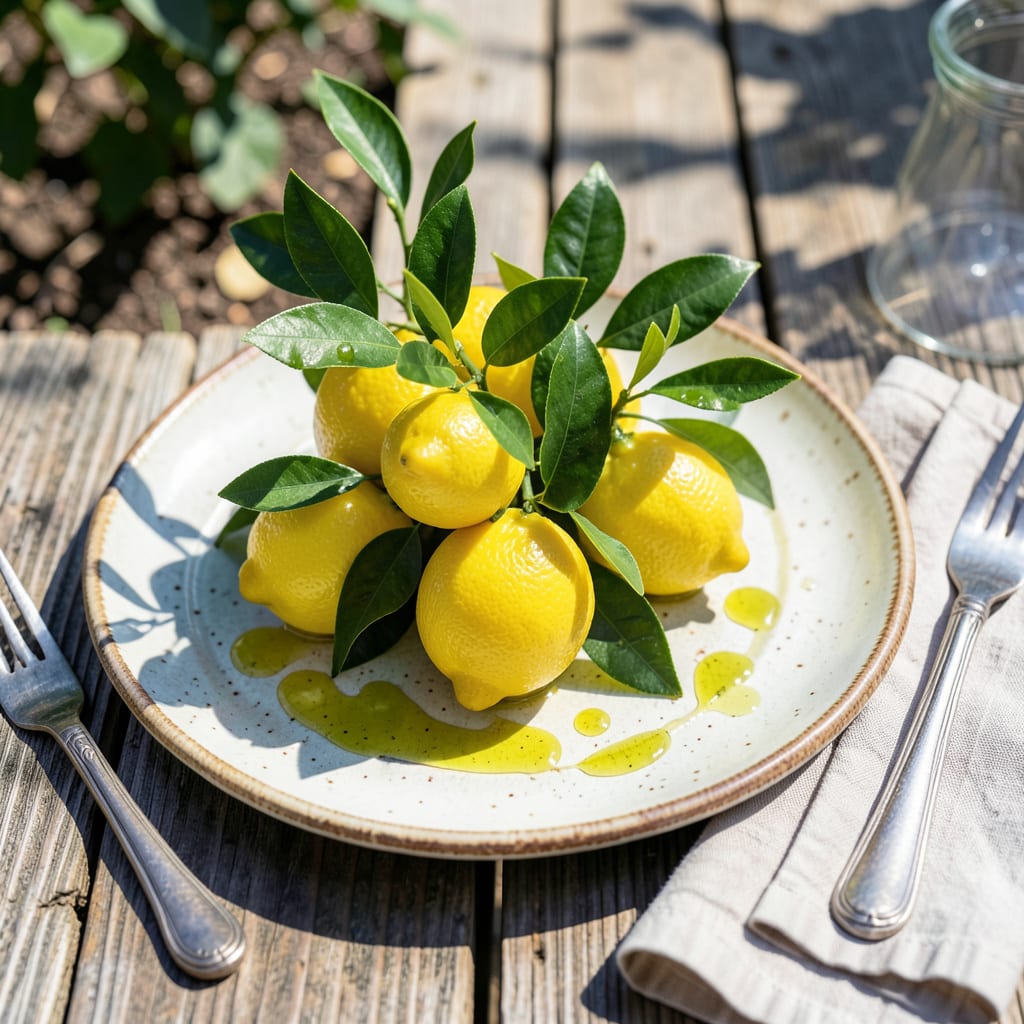
Growing a healthy 🍋 Lemon Tree in California requires careful planning, especially when it comes to fertilization. With year-round growing seasons and varying climate conditions across the state, timing is everything for optimal growth and fruit production.
In California’s USDA Zone 10, where Lemon Trees thrive, understanding the best fertilization schedule can make all the difference. Let’s explore the key fertilization periods that will help your tree flourish.

Fertilizing lemon trees in California requires understanding the state’s diverse climate zones and how they affect tree growth. California’s USDA Zone 10 allows for year-round growing, but different regions have unique needs.
The ideal fertilization schedule varies depending on the specific growing conditions in your area. In general, lemon trees benefit from multiple feedings throughout the year, particularly during active growth periods.
In California’s warm climate, lemon trees have different fertilization needs compared to cooler regions. The fertilizer schedule should be adjusted to assess the tree’s growth stage and nutrient requirements.
Lemon trees typically require nitrogen-rich fertilizer during their active growth periods. The key fertilization months are February, March, June, July, August, and September, with lighter applications in April, May, October, and November.
For container-grown lemon trees, the fertilization schedule remains similar, but be mindful of the soil’s nutrient depletion rate. Regular soil testing can help determine the tree’s specific needs and adjust the fertilization plan accordingly.
When fertilizing, it’s essential to follow the recommended application rates to avoid over-fertilization, which can damage the tree. A general rule is to apply 1 cup of balanced fertilizer per 10 square feet of soil surface area.
The best time to fertilize is after watering, ensuring the soil is moist and can effectively absorb the nutrients. This practice helps prevent root burn and promotes healthy growth.
California’s diverse microclimates mean that local conditions can significantly impact the fertilization needs of lemon trees. Factors such as soil type, temperature, and moisture levels should be considered when planning a fertilization schedule.
By understanding the specific needs of your lemon tree and adjusting your fertilization schedule accordingly, you can promote optimal growth and fruit production. Regular monitoring of the tree’s health and adjusting the fertilization plan as needed will help ensure a bountiful harvest.
For more specific guidance tailored to your region, consult with local gardening experts or check with your nursery for advice on fertilizing lemon trees in your area.
Fertilizing lemon trees in California requires more than just knowing when to fertilize – it’s about understanding the right techniques and best practices for optimal growth and fruit production. Proper fertilization is crucial for maintaining healthy trees and maximizing yields.
The key to successful fertilization starts with understanding your tree’s nutrient requirements. Lemon trees need a balanced fertilizer that typically contains nitrogen, phosphorus, and potassium (NPK). The ideal NPK ratio for citrus trees is often around 10-10-10 or similar proportions.
For maximum yield, fertilize your lemon tree every 6-8 weeks during the growing season (February to October in California). Use a balanced fertilizer and follow the recommended application rates to avoid over-fertilization.
When applying fertilizer, it’s essential to follow the recommended application rates. A general guideline is to apply 1 cup of balanced fertilizer per 10 square feet of soil surface area. However, this can vary depending on the tree’s age, size, and soil conditions.
The best time to fertilize is after watering, when the soil is moist. This helps prevent root burn and ensures that the nutrients are absorbed effectively. For container-grown lemon trees, be mindful of the soil’s nutrient depletion rate and adjust your fertilization schedule accordingly.
Soil testing is also crucial in determining your lemon tree’s specific nutrient needs. Regular testing can help you adjust your fertilization plan to ensure optimal growth and fruit production.
In addition to proper fertilization, maintaining good soil health is vital. This includes ensuring good drainage and adequate organic matter in the soil. Mulching around the base of the tree can help retain moisture and regulate soil temperature.
By following these guidelines and understanding the specific needs of your lemon tree, you can promote healthy growth and maximize your yields. Regular monitoring of your tree’s health and adjusting your fertilization plan as needed will help ensure a bountiful harvest.
For more specific advice tailored to your region, consider consulting with local gardening experts or checking with your nursery for guidance on fertilizing lemon trees in your area.
Fertilizing lemon trees in California can be challenging due to the state’s diverse climate zones and soil conditions. Understanding common fertilization mistakes can help you avoid potential pitfalls and ensure your trees thrive.
One of the most significant errors is over-fertilization, which can damage your lemon tree’s roots and overall health. Too much fertilizer can cause nutrient imbalances, leading to problems like leaf burn and reduced fruit production.
Avoid over-fertilizing your lemon tree, as this can cause more harm than good. Follow the recommended application rates and adjust based on your tree’s specific needs.
Another mistake is fertilizing at the wrong time. Lemon trees in California benefit from fertilization during their active growth periods, typically in spring and summer. Avoid fertilizing during the dormant winter months when the tree is not actively growing.
Nutrient deficiencies are also a common issue, particularly in California’s alkaline soils. Regular soil testing can help identify any deficiencies, allowing you to adjust your fertilization plan accordingly.
By being aware of these common fertilization mistakes, you can take steps to avoid them and ensure your lemon trees receive the nutrients they need to thrive in California’s climate.
For more specific guidance tailored to your region, consult with local gardening experts or check with your nursery for advice on fertilizing lemon trees in your area.
Fertilize your lemon tree every 6-8 weeks during the growing season (February to October) with a balanced fertilizer. This frequency supports optimal growth and fruit production. Regular fertilization is key to maintaining healthy trees.
A balanced fertilizer with an NPK ratio of around 10-10-10 is ideal for lemon trees. This type provides the necessary nutrients for healthy growth and fruit production. Always follow the recommended application rates to avoid over-fertilization.
No, it’s best to avoid fertilizing during the dormant winter months (December to January). Lemon trees require fewer nutrients during this period, and fertilizing can cause unnecessary stress. Wait until the growing season begins again in February.
Signs of over-fertilization include leaf burn and reduced fruit production. If you notice these symptoms, stop fertilizing and consider soil testing to assess nutrient levels. Adjust your fertilization plan accordingly to prevent further damage.
