
Beautiful Plants For Your Interior
Beautiful Plants For Your Interior
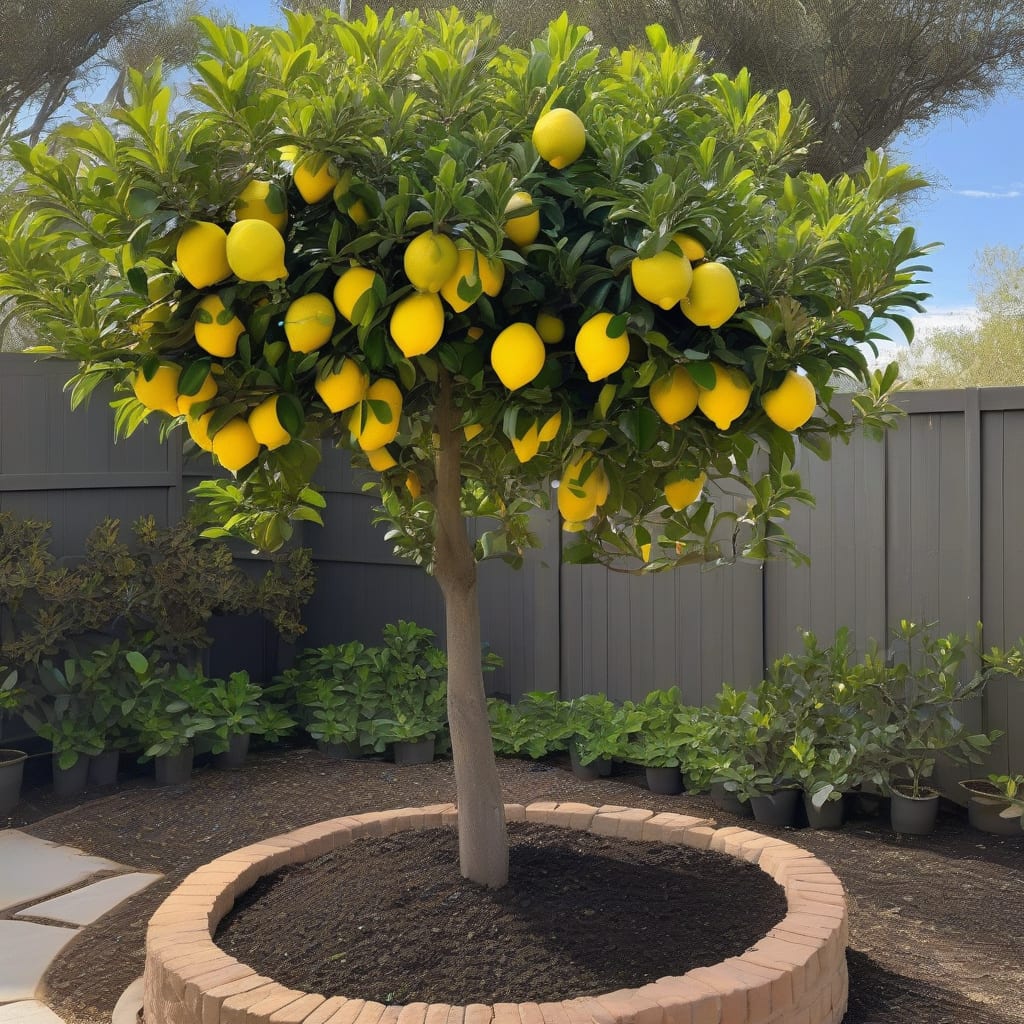
Growing a Lemon Tree 🍋 can be a rewarding experience, but have you ever wondered how tall these trees can actually grow? Understanding their growth potential is crucial for proper planning and care in your garden or landscape.
In USDA Zone 9b, Lemon Trees can thrive and reach varying heights depending on factors like variety and care practices. Let’s explore what you can expect and how to manage their growth effectively.
Lemon trees are a popular choice for home gardeners, and understanding their growth potential is crucial for proper planning and care. The height of a lemon tree can vary significantly based on several key factors.
Variety, climate, and care practices all play a significant role in determining how tall a lemon tree will grow. Different varieties have different growth habits, and environmental conditions can either promote or limit growth.
The variety of lemon tree is one of the most significant factors affecting its height. Dwarf varieties are bred to be more compact, typically growing between 6-10 feet tall, making them ideal for smaller garden spaces or containers. Semi-dwarf trees offer a middle ground, growing 10-15 feet tall, while standard lemon trees can reach heights of 15-20 feet or more when given ample space and ideal growing conditions.
Climate is another crucial factor. Lemon trees thrive in USDA Zone 9b, where they can grow more vigorously. In areas with long growing seasons and plenty of sunlight, lemon trees tend to reach their maximum height potential. Conversely, in cooler or more temperate climates, their growth may be more limited.
Soil quality and nutrient availability also significantly impact the height of lemon trees. Trees planted in well-draining soil with a balanced nutrient profile are more likely to achieve their full growth potential. Regular fertilization with a balanced fertilizer can support healthy growth and maximize height.
Pruning practices are essential for managing the height of lemon trees. Regular pruning not only helps maintain a desired height but also encourages the tree to focus its energy on producing fruit rather than continuing to grow taller. Pruning can be used to keep trees compact and manageable, especially in smaller gardens or when growing in containers.
Understanding these factors can help gardeners make informed decisions about the care and maintenance of their lemon trees, ensuring they achieve a healthy and productive size.
By considering the variety, climate, soil quality, and pruning practices, gardeners can better manage the height of their lemon trees and enjoy a bountiful harvest. 🌳🍋
Lemon trees come in various types, each with its own growth characteristics. Understanding these differences is crucial for gardeners to make informed decisions about which variety to plant and how to care for it.
The height of a lemon tree can vary significantly based on its variety. Some lemon trees are naturally more compact, while others can grow quite tall. Let’s explore the different types and their growth potential.
The dwarf varieties of lemon trees are bred to be compact, typically growing between 6-10 feet tall. This makes them ideal for smaller garden spaces or for growing in containers. Their compact size makes them easier to manage and maintain, and they are often preferred by gardeners with limited space.
Semi-dwarf varieties offer a middle ground, growing 10-15 feet tall. They provide a balance between manageable size and fruit production, making them suitable for medium-sized gardens. These trees are also popular among gardeners who want a moderate-sized tree that is still relatively easy to care for.
Standard lemon trees are the largest, reaching heights of 15-20 feet or more when given ample space and ideal growing conditions. They require more room to grow and are best suited for larger gardens or orchards. Standard trees can produce a significant amount of fruit, making them a good choice for gardeners who want a bountiful harvest.
Understanding the growth potential of different lemon tree varieties can help gardeners choose the right tree for their space and needs. By selecting the appropriate variety, gardeners can ensure their lemon tree thrives and provides a bountiful harvest for years to come.
When planning your garden, consider the mature size of your lemon tree to ensure you provide enough space for it to grow. Proper planning and care will help your tree reach its full potential and enjoy a healthy and productive life. 🌳🍋
Managing the height of your lemon tree is crucial for maintaining its health and maximizing fruit production. Proper care techniques can help keep your tree at a desired height while ensuring it remains productive.
Regular pruning helps maintain desired height and promotes fruiting. Prune in early spring, removing dead or crossing branches.
Pruning is one of the most effective ways to manage the height of your lemon tree. By pruning regularly, you can control the tree’s size and shape, encouraging it to grow in a way that is both healthy and productive. The best time to prune your lemon tree is in early spring, before new growth begins. Remove any dead or damaged branches, as well as any branches that are crossing or rubbing against each other.
In addition to pruning, training your lemon tree can help manage its height. This involves shaping the tree when it is young to encourage a strong, central leader and a balanced structure. By training your tree, you can help it grow into a shape that is both aesthetically pleasing and easy to maintain.
Container growing is another strategy for managing lemon tree height. Growing your lemon tree in a container can help restrict its root growth, which in turn can limit the tree’s overall height. Containers also make it easier to move the tree to different locations, allowing you to optimize its growing conditions.
By implementing these strategies, you can effectively manage the height of your lemon tree and enjoy a healthy, productive tree that provides a bountiful harvest. 🌳🍋
I recommend checking your tree’s height regularly and adjusting your care practices accordingly to maintain optimal growth and fruit production.

