
Beautiful Plants For Your Interior
Beautiful Plants For Your Interior
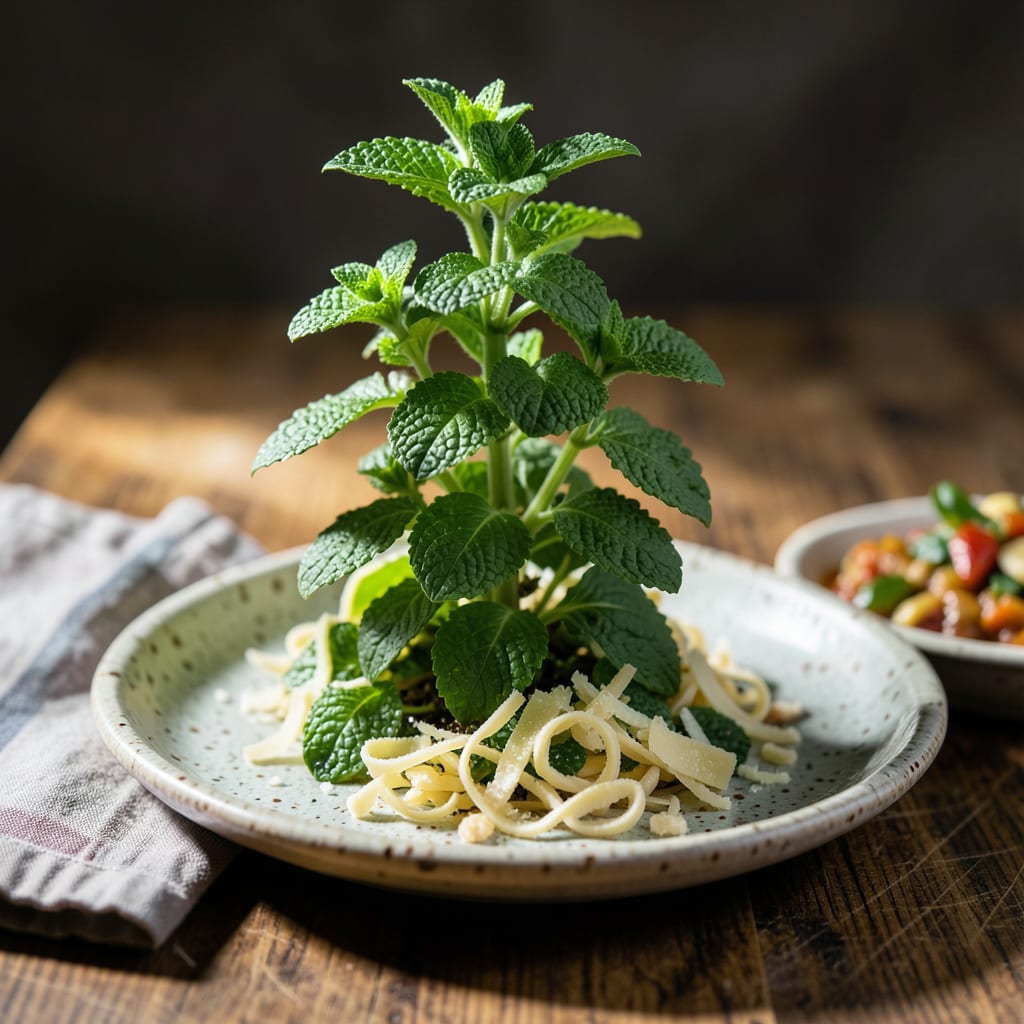
When growing Lemon Balm 🌿 in your garden, understanding its height is crucial for proper planning. Typically, this fragrant herb reaches 2-3 feet tall, making it a great addition to various garden layouts.
In USDA Zone 6, Lemon Balm grows vigorously during spring and summer months. Knowing its growth habits helps you position it correctly among other plants.

1-2 ft

2-3 ft

2-3 ft

2-3 ft
Lemon balm’s height is influenced by various environmental and cultivation factors. Understanding these factors is crucial for managing the plant’s growth effectively. The primary factors include soil quality, sunlight exposure, and watering conditions 🌿.
The quality of the soil plays a significant role in determining how tall lemon balm can grow. Well-draining soil with a pH between 6.0 and 7.0 is ideal for optimal growth. Soil that is too dense or lacks proper drainage can hinder root development, affecting the plant’s overall height.
Sunlight exposure is another critical factor. Lemon balm thrives in partial shade to full sun, requiring at least 4-6 hours of indirect sunlight daily. Insufficient light can lead to leggy growth, while excessive sunlight may cause stress to the plant.
Watering conditions also significantly impact lemon balm’s height. The plant prefers consistent moisture but is susceptible to root rot if the soil becomes waterlogged. Maintaining an optimal watering schedule is essential for healthy growth.
In addition to these primary factors, other elements such as fertilization and pruning practices can also influence the height of lemon balm. Regular fertilization with a balanced fertilizer can promote healthy growth, while pruning helps maintain a desired height and encourages bushier growth 🌱.
By understanding and controlling these factors, gardeners can optimize the growth of their lemon balm plants, ensuring they reach their full potential height.
Lemon balm’s adaptability to different growing conditions makes it a versatile herb for various garden settings. Whether grown in containers or directly in garden beds, lemon balm can thrive with proper care.
Container cultivation allows for better control over soil quality and moisture levels, which can be advantageous in managing the plant’s height. On the other hand, garden bed cultivation provides more space for the plant to spread and grow naturally.
The average height of lemon balm typically ranges between 2-3 feet, although this can vary based on the specific growing conditions. In ideal conditions, with ample sunlight and proper care, lemon balm can reach its maximum height of up to 3 feet.
Regular monitoring and maintenance are key to managing lemon balm’s height effectively. This includes regular pruning to prevent the plant from becoming too leggy and harvesting the leaves frequently to encourage bushier growth.
By following these guidelines and understanding the factors that affect lemon balm’s height, gardeners can enjoy a healthy and productive lemon balm plant in their gardens.
Lemon balm typically grows to be between 2-3 feet tall, making it a great addition to various garden layouts. The height can vary based on specific growing conditions, including whether it’s grown in containers or directly in garden beds 🌿.
When grown in ideal conditions with ample sunlight and proper care, lemon balm can reach its maximum height of up to 3 feet. Understanding the typical height range helps gardeners plan their garden effectively.
Lemon balm typically grows 2-3 feet tall. Container cultivation can help manage height, while garden bed cultivation allows for more natural growth.
Container cultivation provides better control over soil quality and moisture levels, which can be advantageous in managing the plant’s height. Gardeners can easily move containers to adjust sunlight exposure and maintain optimal growing conditions.
In contrast, garden bed cultivation allows lemon balm to spread and grow more naturally. This method provides more space for the plant to develop its root system and reach its full potential height.
The average height of lemon balm remains consistent across different growing methods, typically ranging between 2-3 feet. Regular monitoring and maintenance are crucial for managing the plant’s height effectively.
Regular pruning is essential to prevent lemon balm from becoming too leggy. Pruning encourages bushier growth and helps maintain a desired height, making it a key practice for gardeners 🌱.
By understanding the typical height range of lemon balm and the factors that influence its growth, gardeners can make informed decisions about how to cultivate this versatile herb in their gardens.
To maintain lemon balm at a desired height while promoting healthy growth, gardeners can employ several practical techniques. Regular pruning is essential to prevent the plant from becoming too leggy and to encourage bushier growth 🌿.
Prune lemon balm regularly to maintain a desired height and promote healthy growth.
Harvest leaves frequently to encourage bushier growth and prevent the plant from flowering.
Pinch off the tips of stems to encourage branching and a fuller plant.
By implementing these strategies, gardeners can effectively manage the height of their lemon balm plants. Regular maintenance not only keeps the plant at a manageable height but also enhances its overall health and productivity 🌿.
Pruning should be done carefully to avoid damaging the plant. Using clean, sharp scissors or pruning shears, gardeners can trim back the stems to the desired height. This practice also helps in promoting a bushier growth pattern.
Frequent harvesting of lemon balm leaves is another effective way to manage the plant’s height. By regularly picking the leaves, gardeners can encourage the plant to grow more densely rather than tall and leggy.
In addition to pruning and harvesting, pinching off the tips of the stems can further encourage branching and a fuller plant. This simple technique helps in maintaining a compact and healthy lemon balm plant 🌱.
Overall, managing lemon balm’s height is a straightforward process that involves regular maintenance and careful attention to the plant’s growth habits. By following these tips, gardeners can enjoy a thriving and productive lemon balm plant in their gardens.
