
Beautiful Plants For Your Interior
Beautiful Plants For Your Interior
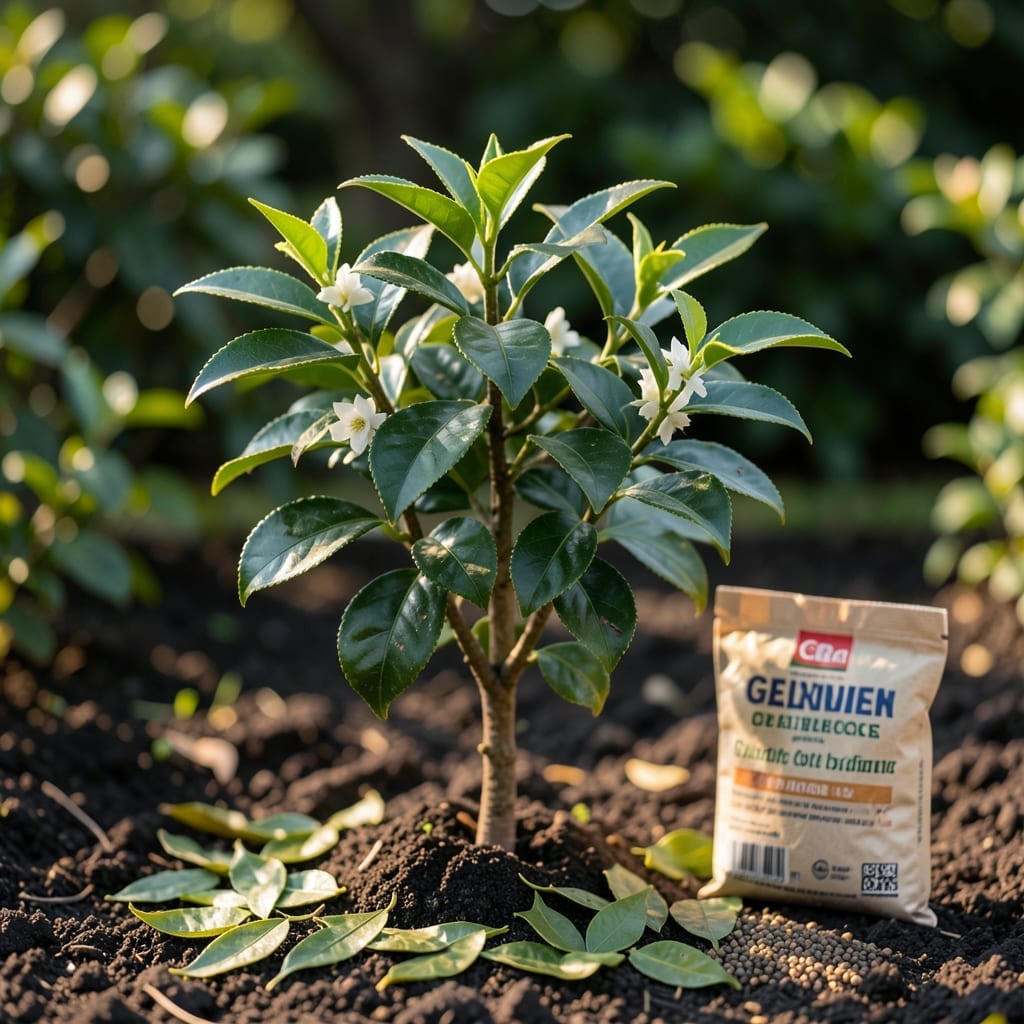
Tea leaves act as a natural fertilizer, mulch, or compost additive, enriching soil with nitrogen and organic matter. Used properly, they improve plant health without harming most garden crops.
I’ve seen firsthand how the slow decomposition of tea leaves boosts microbial activity in soil, creating a richer environment for roots. The tannins also help deter some pests naturally, making them a dual-purpose solution. Just avoid using them around acid-loving plants like blueberries, as excessive amounts can alter pH levels. ✨
💡 In This Article
Tea leaves contain about 4-5% nitrogen by dry weight, making them a gentle yet effective organic fertilizer. They also pack micronutrients like potassium, phosphorus, and trace minerals that plants absorb gradually as the leaves break down. The decomposition process releases these nutrients slowly, preventing the nutrient burn that synthetic fertilizers can cause. 🔥
Beyond nutrition, tea leaves improve soil structure by increasing its ability to retain moisture. Their fibrous texture creates tiny air pockets as they decompose, enhancing aeration for plant roots. This is especially beneficial in clay-heavy soils where compaction is an issue.
The tannins in tea leaves also stimulate beneficial microbial activity, creating a more dynamic soil ecosystem.
What’s fascinating is how tea leaves act as a natural pest deterrent. Their tannic acid content can repel certain insects while being completely harmless to earthworms and other beneficial soil organisms.
I’ve noticed fewer slugs and snails in garden beds where I’ve used tea leaf mulch, likely due to the slightly acidic environment it creates at the soil surface.
The pH effect is worth noting—fresh tea leaves are mildly acidic (pH 5.5-6.5), which can help balance alkaline soils over time. However, this same property means they shouldn’t be used excessively around plants that prefer highly acidic conditions, like azaleas or camellias. The key is moderation and observing how your specific plants respond. ✨
For best results, use tea leaves that have already been brewed. Fresh leaves contain more tannins that might temporarily inhibit plant growth if used in large quantities. Brewed leaves have already released most of their tannins into the water, making them safer for direct soil application.
Their softer texture also means they’ll break down faster, releasing nutrients more quickly to plant roots.
It’s better to use brewed leaves, as fresh ones contain high tannin levels that may temporarily inhibit plant growth. Brewed leaves have released most tannins and break down faster in soil.
Apply a thin 1-inch layer monthly as mulch or mix into compost weekly. Overuse can acidify soil too much, especially for plants like blueberries.
Avoid using them around acid-loving plants like azaleas or camellias. The mild acidity can disrupt their preferred pH balance over time.
No, avoid flavored or sweetened tea leaves. Artificial additives can attract pests or harm beneficial soil microbes. Stick to plain brewed leaves.