
Beautiful Plants For Your Interior
Beautiful Plants For Your Interior
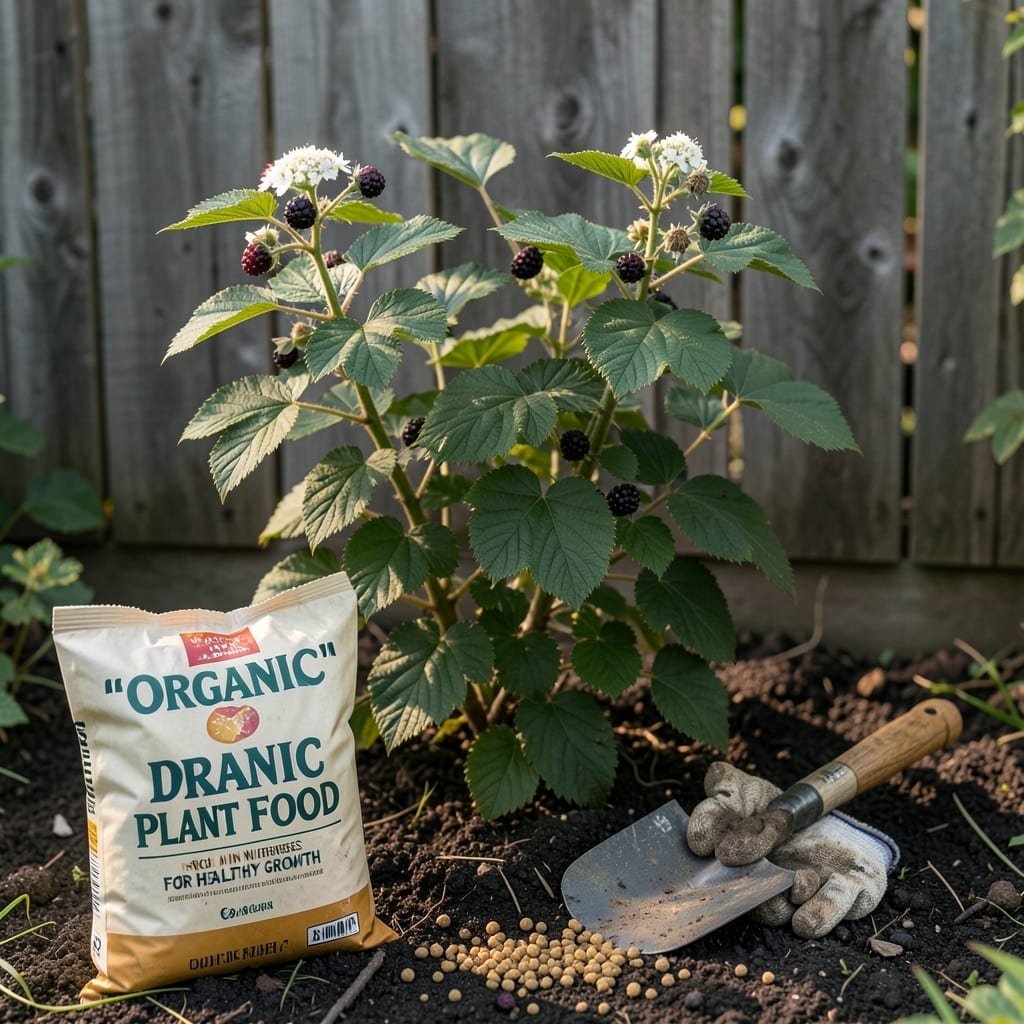
There’s nothing quite like the taste of homegrown 🫐 Blackberries, and the secret to a bountiful harvest often lies in the soil. Organic fertilizers provide the natural nutrients your plants crave without harsh chemicals.
I’ve seen firsthand how the right organic approach transforms Blackberry bushes from struggling to thriving. The difference in fruit quality and plant health is remarkable.
Discover how to nourish your Blackberries the natural way for sweeter, more abundant yields. Your taste buds—and your garden—will thank you.
Choosing the right organic fertilizer can make all the difference in your Blackberry harvest. I always recommend starting with nutrient-rich options like compost or well-aged manure for a strong foundation.
These natural amendments improve soil structure while providing essential nitrogen, phosphorus, and potassium. Healthy soil means healthier plants and bigger yields. 🌱
| Fertilizer Type | N-P-K Ratio | Best For | Application Frequency |
|---|---|---|---|
| Compost | Varies (1-2-2) | Soil health | Annual top-dressing |
| Fish Emulsion | 5-1-1 | Leafy growth | Every 4-6 weeks |
| Bone Meal | 3-15-0 | Root development | Early spring |
| Alfalfa Meal | 2-1-2 | Overall growth | Monthly during season |
| Kelp Meal | 1-0-2 | Fruit production | Every 2 months |
Fish emulsion is another favorite of mine for Blackberries. It’s packed with nitrogen to promote lush foliage and can be applied as a foliar spray or soil drench.
For strong root systems, I turn to bone meal. Its high phosphorus content encourages robust root growth, which is crucial for established Blackberry bushes.
Alfalfa meal offers a balanced nutrient profile that supports overall plant health. I like to mix it into the soil at planting time and as a seasonal top-dressing.
Kelp meal might be less known but it’s a powerhouse for berry production. Its potassium content helps develop sweeter, more abundant fruit.
Remember, soil testing is key before applying any fertilizer. It helps you understand what your Blackberries truly need and prevents over-fertilization.
I’ve found that rotating fertilizers throughout the season gives the best results. Start with compost in early spring, switch to fish emulsion for growth, and finish with kelp meal before harvest. 🌿
Always water your plants after applying organic fertilizers. This helps nutrients penetrate the soil and reach the root zone where they’re needed most.
The beauty of organic fertilizers is that they feed both your Blackberry plants and your soil microbes, creating a thriving ecosystem in your garden. 🪴
Timing is everything when it comes to feeding your Blackberry bushes. I always start fertilizing in early spring, just as new growth begins to appear on the canes.
This first application gives your plants a nutrient boost to support the upcoming growing season. A second feeding after harvest helps replenish nutrients used during fruit production. 🌱
For application methods, I prefer side-dressing with granular fertilizers. Simply sprinkle the organic fertilizer around the base of the plant, keeping it 6 inches away from the canes to prevent burning.
Foliar sprays work well for quick nutrient uptake, especially with liquid fertilizers like fish emulsion. Apply these in the early morning to reduce evaporation and maximize absorption. ☀️
Dosage is critical – I typically use 1-2 tablespoons of fertilizer per plant or 1 pound per 100 square feet for established bushes. Always follow package instructions and err on the side of caution.