
Beautiful Plants For Your Interior
Beautiful Plants For Your Interior
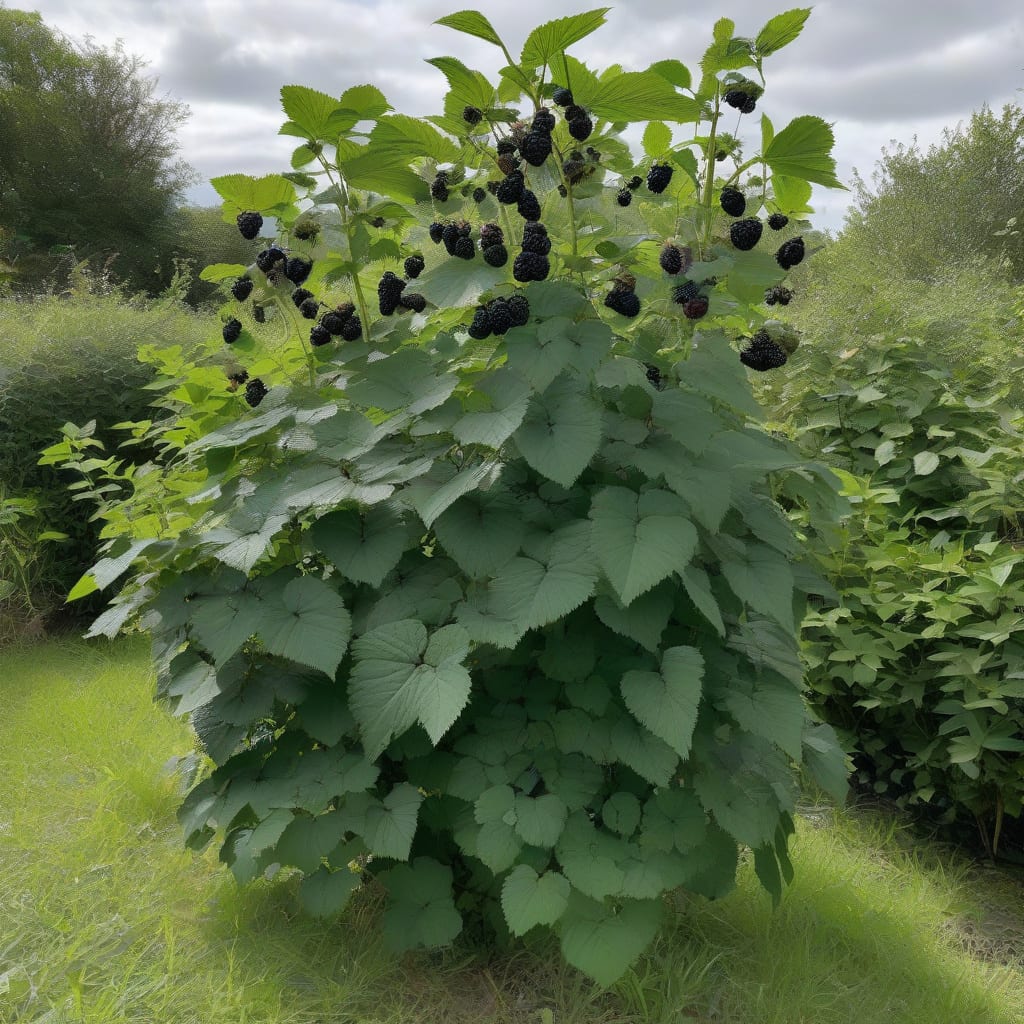
Blackberry bushes 🫐 can transform your garden into a fruitful haven, but have you ever wondered just how tall they can grow? Understanding their growth patterns is crucial for successful cultivation and maximizing your harvest.
Typically, blackberry bushes can reach heights of 3 to 6 feet, depending on the variety and growing conditions. By learning how to manage their height, you’ll be able to enjoy a bountiful summer harvest.

Blackberry bushes are a popular choice for home gardeners due to their delicious fruit and relatively easy maintenance. One of the key factors in growing successful blackberry bushes is understanding their growth habits, particularly their height.
The height of blackberry bushes can vary significantly based on factors such as variety, growing conditions, and support systems. Generally, blackberry bushes can grow between 3 to 6 feet tall, with some varieties reaching even greater heights.
The variety of blackberry bush is a significant determinant of its height. For example, dwarf varieties typically grow to be around 3-4 feet tall, while standard varieties can reach heights of 5-6 feet. Some trailing varieties can grow even longer, requiring more extensive support systems.
Growing conditions also play a crucial role in determining the height of blackberry bushes. Soil quality is particularly important, as blackberry bushes thrive in well-draining, fertile soil. Additionally, blackberry bushes require full sun to produce well, so ensuring they receive at least 6 hours of direct sunlight per day is essential.
Adequate watering is also critical. Blackberry bushes need consistent moisture, especially during the fruiting season. However, they are relatively drought-tolerant once established.
Using a support system can help manage the height of blackberry bushes and promote healthier growth. Trellises are particularly useful for trailing varieties, while stakes can be used for more erect types. Proper support helps in keeping the canes organized and maximizes fruit production.
Pruning is another essential practice for managing the height and overall health of blackberry bushes. Pruning in late winter or early spring helps remove dead canes and control the plant’s size. It’s also an opportunity to thin out the canes, allowing for better air circulation and sunlight penetration.
By understanding the factors that influence the height of blackberry bushes and implementing proper care practices, gardeners can enjoy a bountiful harvest of delicious blackberries. Whether you’re growing dwarf, standard, or trailing varieties, paying attention to their specific needs will help you achieve the best results.
In summary, blackberry bushes can grow between 3 to 6 feet tall, with their height influenced by variety, growing conditions, and support systems. By choosing the right variety and providing appropriate care, you can manage their height effectively and enjoy a fruitful harvest 🌿.
For more detailed information on growing blackberry bushes, including tips on pruning, fertilizing, and pest management, be sure to explore additional resources to help you become a successful blackberry grower.
Managing the height of blackberry bushes is crucial for achieving optimal yield and maintaining plant health. Proper height management ensures that the plants receive adequate sunlight, air circulation, and nutrient distribution.
To effectively manage blackberry bush height, gardeners can employ several techniques, including pruning, training, and supporting the plants. These methods help control the plant’s size, promote healthy growth, and maximize fruit production.
Prune blackberry bushes in late winter or early spring to remove dead canes and control the plant’s size. This helps maintain a manageable height and promotes healthy growth 🌿.
Train the canes along a trellis or stake to keep them organized and maximize space. This also helps in improving air circulation and sunlight penetration, which are critical for fruit production.
Regularly monitor the height of your blackberry bushes and adjust your pruning and training techniques as needed. This ensures that the plants remain healthy and productive.
By implementing these strategies, gardeners can effectively manage the height of their blackberry bushes, leading to improved yields and healthier plants. Proper management also makes it easier to harvest the fruit, enhancing the overall gardening experience 🫐.
In addition to pruning and training, providing the right growing conditions is essential for maintaining optimal height and promoting fruit production. Ensure that your blackberry bushes receive adequate sunlight, water, and nutrients to support their growth.
With consistent care and attention, blackberry bushes can thrive and provide a bountiful harvest for years to come. By understanding and implementing effective height management techniques, you can enjoy a successful and productive blackberry growing experience 🌼.
For more tips on growing blackberry bushes and managing their height, explore additional resources to further enhance your gardening knowledge and skills.
When it comes to blackberry bushes, understanding the specific growth habits of different varieties is crucial for effective garden management. The height of blackberry bushes can vary significantly depending on whether you’re growing erect, trailing, or semi-erect types.
Erect varieties are generally more compact and can grow to be around 3-6 feet tall. They require minimal support, making them ideal for gardeners who prefer a low-maintenance approach.
Trailing varieties, on the other hand, can grow much longer, often reaching lengths of 6-10 feet or more. These varieties necessitate a sturdy trellis system to manage their growth effectively and maximize fruit production 🌿.
Semi-erect varieties fall somewhere in between, typically growing to be around 4-6 feet tall. They benefit from some form of support, such as a trellis or stake, to keep their canes organized and promote healthier growth.
By understanding the specific height considerations for different blackberry varieties, gardeners can make informed decisions about which types to grow and how to manage them effectively for optimal yield 🫐.
