
Beautiful Plants For Your Interior
Beautiful Plants For Your Interior
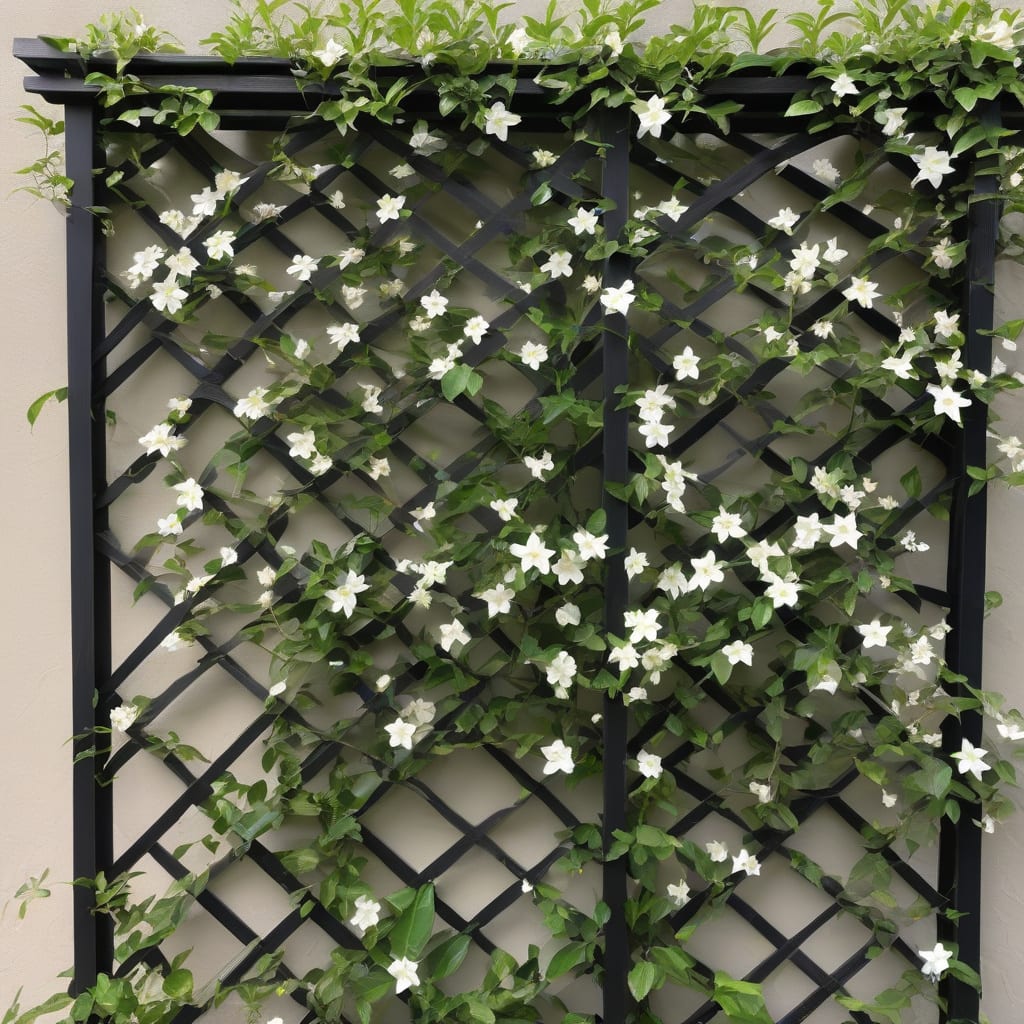
When I think about adding fragrance to my garden, Jasmine 💐 immediately comes to mind. But before planting, I always wonder: how tall will it grow? Understanding Jasmine’s growth patterns is crucial for creating the perfect garden display.
In USDA Zone 6, Jasmine can grow anywhere from 3 to 20 feet tall, depending on the variety and growing conditions. Let’s explore the factors that affect its height and how to manage it effectively.


Jasmine is a versatile plant that can grow in various forms, from compact shrubs to vigorous climbers. The height potential of Jasmine varies significantly based on the specific variety and growing conditions.
Most Jasmine varieties are vining plants that can grow quite tall if provided with proper support. In ideal conditions, some Jasmine species can reach heights of 15 to 20 feet or more.
The growth habit of Jasmine is influenced by several key factors, including the specific species variation, growing conditions, and the type of support system provided.
Species variation plays a significant role in determining the mature height of Jasmine. Different species have different growth habits, ranging from compact groundcovers to vigorous climbers.
Growing conditions such as sunlight, soil quality, and watering practices can significantly impact Jasmine’s height. For example, plants receiving full sun and fertile soil tend to grow more vigorously than those in poor conditions.
Support systems are crucial for climbing Jasmine varieties. Providing a sturdy trellis or arbor allows the plant to reach its full height potential.
Understanding these factors is essential for managing Jasmine’s growth effectively. By selecting the right variety and providing appropriate care, gardeners can control the plant’s height while promoting healthy growth.
Regular pruning practices also play a crucial role in maintaining the desired height and shape of Jasmine plants. Proper pruning techniques can help control the plant’s size while encouraging more blooms.
For gardeners looking to maximize Jasmine’s height, providing a sturdy support structure is essential. This allows the plant to climb and reach its full potential.
In USDA Zone 6, Jasmine typically grows 3 to 20 feet tall, with most varieties reaching their mature height within 3 to 5 years under optimal conditions.
By understanding Jasmine’s natural growth patterns and height potential, gardeners can make informed decisions about planting and care. This knowledge helps create beautiful and fragrant garden displays that showcase the plant’s unique characteristics.
To effectively manage Jasmine’s height, I need to understand both pruning techniques and training methods. Proper pruning not only controls the plant’s size but also promotes healthier growth and more abundant flowering 🌼.
Pruning should be done strategically to maintain the desired height while preserving the plant’s natural beauty. The best time to prune Jasmine is immediately after it finishes blooming, typically in late spring or early summer.
Start by removing any dead, diseased, or damaged branches to prevent the spread of disease and encourage healthy growth.
Selectively thin out overgrown areas to maintain the desired shape and promote air circulation within the plant.
Gently train new growth along the support structure to maintain the desired height and shape.
Training Jasmine on a trellis or arbor is an effective way to control its height while showcasing its beautiful flowers. By gently twining the stems around the support, you can guide the plant’s growth upward or outward as desired 🌿.
Regular maintenance is key to keeping Jasmine at the desired height. This includes regular pruning to control vigorous growth and training new stems along the support structure.
For gardeners looking to maintain a more compact Jasmine, regular pruning is essential. By cutting back long stems and shaping the plant, you can keep it within the desired height range while promoting bushier growth.
Understanding the balance between pruning and training allows gardeners to achieve the perfect height for their Jasmine plants. Whether you’re growing it as a groundcover or a climbing vine, proper management techniques will help you enjoy its fragrance and beauty to the fullest.
By implementing these pruning techniques and training methods, you can effectively manage Jasmine’s height and create a stunning garden display that showcases this beautiful plant’s unique characteristics.
To maximize Jasmine’s growth and maintain its health, I need to provide it with ideal growing conditions and proper care. This includes understanding its soil requirements, sunlight needs, and watering practices 🌿.
For optimal Jasmine growth, ensure it receives full sun to partial shade and water it weekly, adjusting based on weather conditions 🌞.
Jasmine thrives in well-draining soil with a slightly acidic to neutral pH. Adding organic matter like compost can improve soil quality and promote healthy growth 🌱.
Sunlight needs are crucial for Jasmine’s growth. Most varieties prefer full sun to partial shade, requiring at least 6 hours of direct sunlight daily 🌞.
Watering practices should be consistent but cautious. Jasmine prefers moderate moisture and can tolerate some drought. Watering weekly is a good rule of thumb, but adjust based on weather conditions ⛅️.
Fertilization techniques also play a role in maximizing Jasmine’s growth. Feeding the plant with a balanced fertilizer every 4-6 weeks during the growing season can promote vigorous growth and abundant flowering 🌼.
By providing Jasmine with the right growing conditions and care, you can enjoy its beautiful flowers and fragrance to the fullest. Regular maintenance and attention to its needs will ensure a healthy and thriving plant 💐.
