
Beautiful Plants For Your Interior
Beautiful Plants For Your Interior
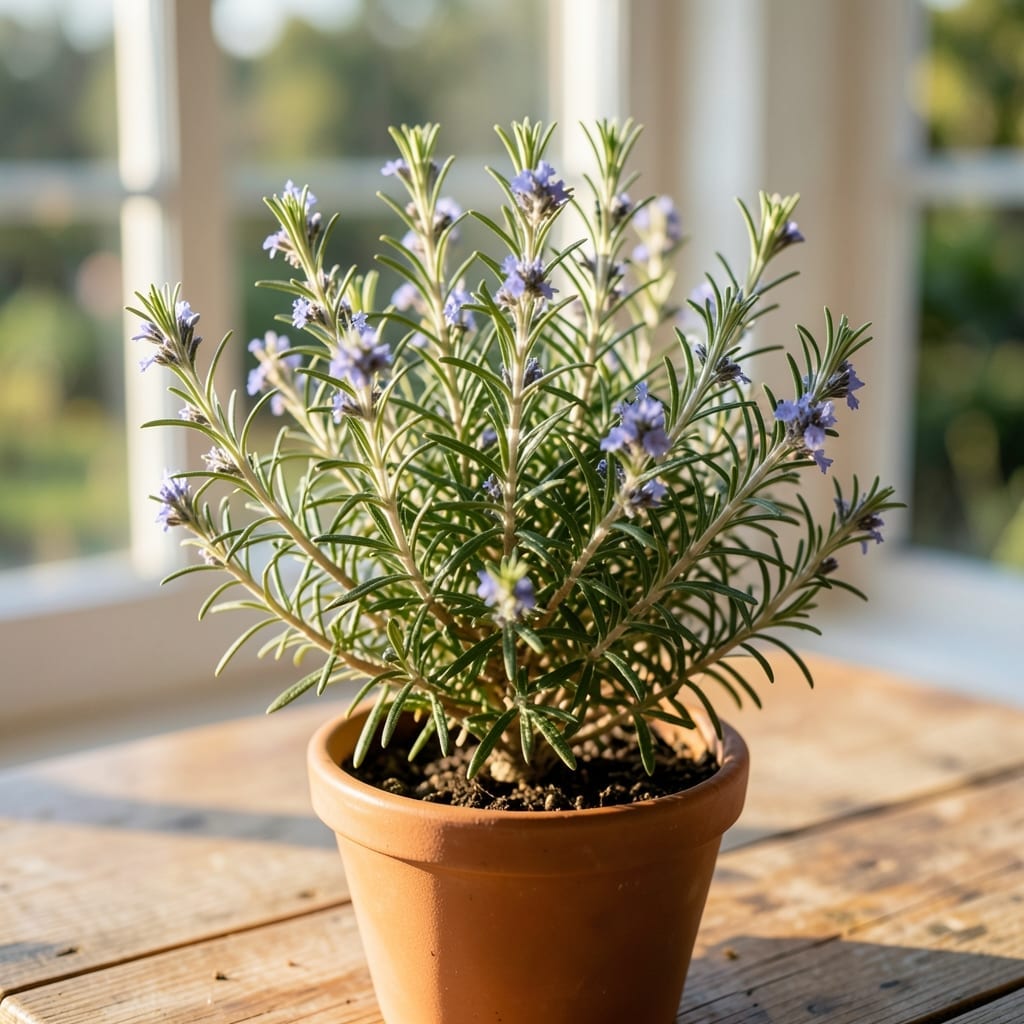
Rosemary leaves offer memory enhancement, anti-inflammatory effects, and improved circulation. Rich in antioxidants, they also support digestion and hair health while providing a fragrant addition to dishes.
I’ve found that compounds like rosmarinic acid and carnosol in rosemary are what give it such powerful medicinal properties. These help combat oxidative stress, which is why it’s often linked to sharper cognitive function and reduced inflammation. Beyond health, it’s a kitchen staple that elevates everything from roasted meats to breads. ✨
💡 In This Article
The power of rosemary lies in its bioactive compounds. Rosmarinic acid acts as a potent antioxidant that neutralizes free radicals, while carnosol triggers anti-inflammatory responses in the body. These compounds work synergistically to reduce oxidative stress, which is linked to chronic diseases and cognitive decline. 🌟
Studies show 1,8-cineole in rosemary enhances memory and focus by increasing acetylcholine levels in the brain. This neurotransmitter is crucial for learning and retention. In a 2012 study, participants exposed to rosemary aroma scored higher on memory tests, demonstrating its cognitive benefits. 💫
For circulation, rosemary’s camphor and borneol compounds stimulate blood flow by relaxing blood vessels. This improves oxygen delivery to tissues, which explains its traditional use for headaches and fatigue. The effects can be felt within 15-30 minutes of consumption or aromatherapy. ⚡
Its antimicrobial properties come from ursolic acid, which inhibits harmful bacteria like E. coli and Staphylococcus. This makes rosemary effective in food preservation and topical applications for skin health. The concentration of these acids is highest in fresh leaves, with dried versions retaining 60-70% potency. ✨
What makes rosemary unique is how these compounds interact. While carnosic acid protects brain cells from degeneration, caffeic acid supports liver detoxification. Together, they create a multi-system approach to wellness that few herbs can match. 🔥
For cognitive support, try consuming rosemary tea or adding it to meals 2-3 times weekly. Studies show regular, moderate intake provides the most consistent results for memory and focus.
Yes! Rosemary water rinses may improve circulation to the scalp and stimulate follicles. Use a cooled rosemary infusion 1-2 times per week after shampooing for best results.
Store fresh sprigs in the fridge for up to 2 weeks, or dry them in a cool, dark place. Dried leaves retain 60-70% of their beneficial compounds when stored properly.
In normal food amounts, rosemary is safe. However, large medicinal doses may cause stomach upset or allergic reactions in sensitive individuals. Always start with small amounts.