
Beautiful Plants For Your Interior
Beautiful Plants For Your Interior
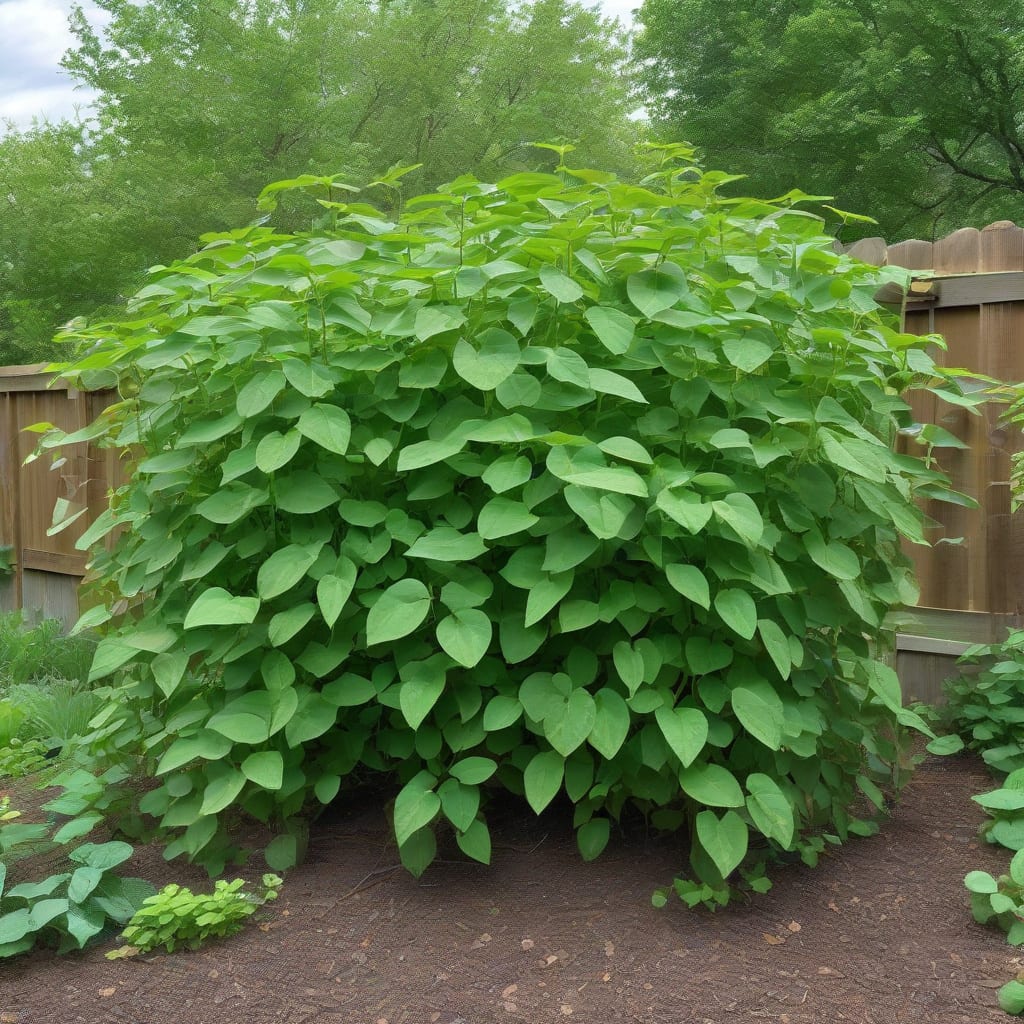
When growing 🌱 Pinto Beans in USDA Zone 6, understanding their height is crucial for garden planning. These versatile legumes can grow quite tall, typically reaching 3-4 feet in ideal conditions.
Knowing their growth habits helps you prepare the right support and spacing. Let’s explore what affects their height and how to maximize your harvest.

Understanding the growth habits of pinto beans is essential for successful cultivation. Pinto beans are known for their climbing ability, and their height can vary based on several factors. Typically, pinto bean plants can grow between 2 to 4 feet tall, with some varieties reaching even greater heights when provided with proper support 🌿.
The growth pattern of pinto beans is characterized by their twining habit, where they wrap around supports as they grow. This climbing behavior allows them to maximize their exposure to sunlight, which is crucial for their development. Without adequate support, pinto bean plants tend to spread out on the ground, which can lead to reduced yields and increased susceptibility to diseases.
The height of pinto bean plants is influenced by several factors, including the specific variety, growing conditions, and the support provided. Varieties with a more vigorous growth habit tend to reach greater heights, while those with a bushier growth pattern remain more compact.
Growing conditions, such as soil quality, moisture levels, and temperature, also play a significant role in determining the height of pinto bean plants. Optimal conditions with well-drained soil and adequate moisture promote healthy growth and maximize height potential 🌱.
In addition to these factors, the type of support provided can significantly impact the height of pinto bean plants. Trellises, stakes, or cages can help guide the plants upward, allowing them to reach their full height potential. Without support, the plants may sprawl on the ground, limiting their growth and productivity.
Pinto bean plants typically begin to flower around 30-40 days after planting, with pods developing shortly thereafter. The height of the plants continues to increase as they grow, with most reaching their maximum height by the time they begin to set pods.
To maximize the height and productivity of pinto bean plants, it’s essential to provide them with the right growing conditions and support. This includes planting in well-drained soil, ensuring adequate moisture and sunlight, and providing appropriate support structures. By optimizing these factors, gardeners can encourage healthy growth and maximize their pinto bean harvest 🌼.
Overall, understanding the growth habits and height expectations of pinto beans is crucial for successful cultivation. By providing the right conditions and support, gardeners can enjoy a bountiful harvest of these versatile and nutritious legumes.
When growing pinto beans, providing the right support is crucial as they can grow quite tall, typically reaching 3-4 feet in height. Without proper support, the plants tend to spread on the ground, which can lead to reduced yields and increased disease susceptibility.
There are several effective ways to support pinto bean plants as they grow tall. One popular method is using a trellis, which allows the plants to climb and maximize their exposure to sunlight. Trellises can be made from various materials such as wood, metal, or plastic, and should be at least 6 feet tall to accommodate the full growth of the plants 🌿.
When using a trellis, it’s essential to position it correctly. The trellis should be placed near the planting area, ensuring it’s stable and won’t topple over as the plants grow. You can also use stakes or cages to provide additional support, especially for varieties with a more vigorous growth habit 🌼.
In addition to providing physical support, maintaining optimal growing conditions is vital. This includes ensuring the soil is well-drained, providing adequate moisture, and ensuring the plants receive sufficient sunlight. By combining proper support with optimal growing conditions, you can maximize the height and productivity of your pinto bean plants.
It’s also worth noting that the timing of support is important. Providing support early in the growth stage allows the plants to grow upright from the beginning, reducing the risk of damage to the stems as they climb. Regularly checking the plants and adjusting the support as needed can further enhance their growth and productivity 🌱.
By implementing these support strategies, gardeners can effectively manage the height of their pinto bean plants, leading to healthier plants and a more bountiful harvest.
To maximize the height and yield of pinto bean plants, it’s essential to provide them with optimal growing conditions. This includes ensuring the soil is well-drained, providing adequate moisture, and ensuring the plants receive sufficient sunlight. Pinto beans thrive in full sun, requiring at least 6 hours of direct sunlight per day 🌞.
Ensure consistent moisture by watering deeply once or twice a week, depending on weather conditions. Avoid overhead watering to prevent fungal diseases 🌿.
Soil preparation is another critical factor in optimizing growing conditions for pinto beans. The soil should be rich in organic matter and have a pH between 6.0 and 7.0. Adding compost or well-rotted manure can improve soil fertility and structure, promoting healthy plant growth 🌱.
In addition to soil preparation and sunlight, proper watering is vital for maximizing pinto bean height and yield. Consistent moisture, especially during flowering and pod development, is crucial. However, it’s equally important to avoid overwatering, which can lead to root rot and other issues 💧.
By optimizing these growing conditions, gardeners can encourage healthy growth and maximize their pinto bean harvest. Regular monitoring and adjustments to the growing conditions can further enhance plant performance and productivity 🌼.
Overall, understanding and implementing the right growing conditions is key to achieving maximum height and yield in pinto bean plants. With proper care and attention, gardeners can enjoy a bountiful harvest of these nutritious legumes.
