
Beautiful Plants For Your Interior
Beautiful Plants For Your Interior
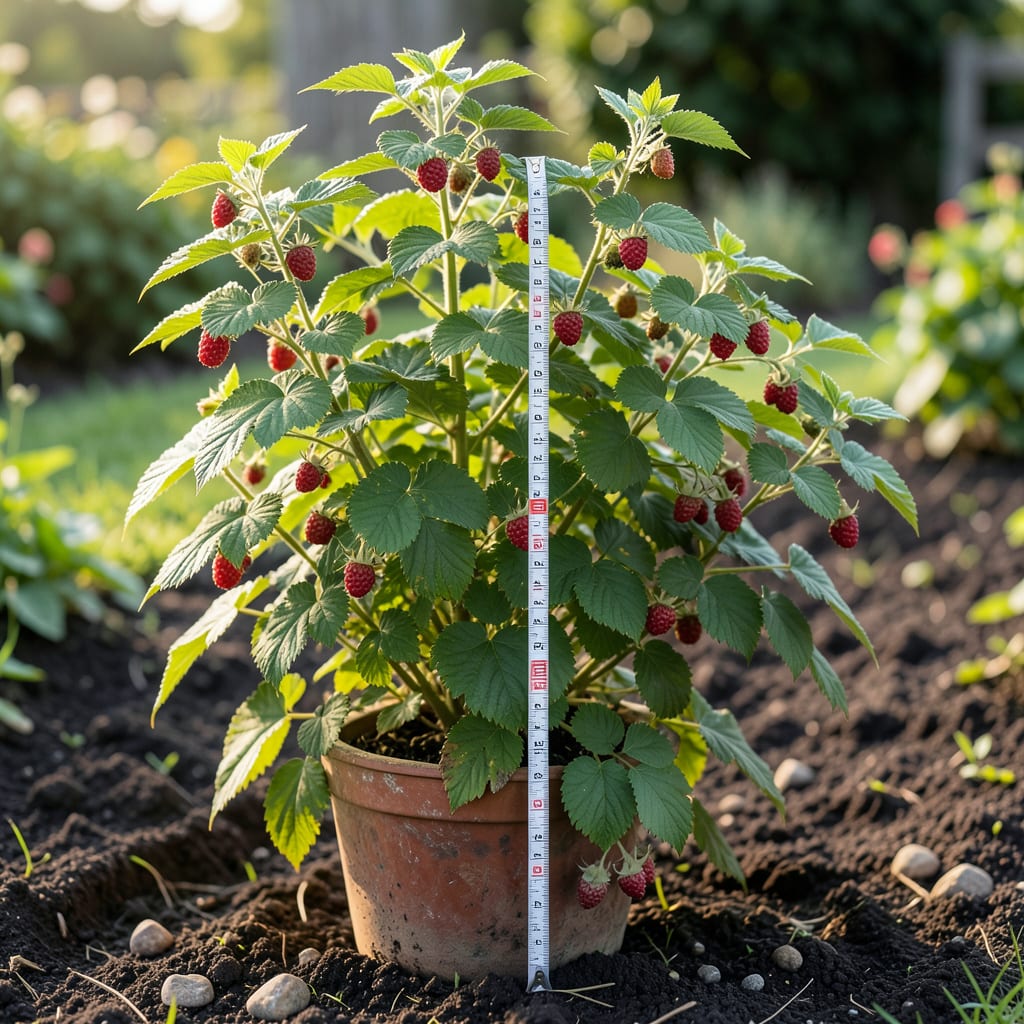
Raspberry 🍇 plants can add both beauty and bounty to your garden, growing 3-6 feet tall depending on the variety. Understanding their growth patterns is key to maximizing their height and yield in USDA zone 6.
By learning how to properly care for your Raspberry plants, you’ll be able to enjoy a bountiful harvest. Let’s explore the factors that influence their height and how to optimize growing conditions for maximum growth.


Raspberry plants are a popular choice for home gardens due to their relatively compact growth habit and bountiful harvests. The height of raspberry plants can vary significantly based on factors such as variety, growing conditions, and maintenance practices.
Generally, raspberry plants can grow between 3 to 6 feet tall, with some varieties reaching heights of up to 8 feet if not properly pruned or supported. The natural growth habit of raspberries involves producing new canes each year, which can affect their overall height and productivity.
The height of raspberry plants is influenced by several key factors, including the specific variety, growing conditions, and maintenance practices. Understanding these factors is crucial for optimizing plant height and productivity.
Variety selection plays a significant role in determining the mature height of raspberry plants. Summer-bearing varieties tend to grow 3-5 feet tall, while fall-bearing varieties can reach 4-6 feet. Dwarf varieties are more compact, typically growing 2-3 feet tall.
Growing conditions also impact raspberry plant height. Factors such as soil quality, sunlight exposure, and water availability can affect plant growth. Raspberries prefer well-draining soil and full sun to produce optimal growth.
Maintenance practices, including pruning and training, are essential for controlling the height of raspberry plants. Pruning helps maintain plant height and promotes healthy growth, while training systems such as trellises or stakes can support plants and encourage vertical growth.
Raspberry plants typically go through several growth stages, including establishment, fruiting, and dormancy. Understanding these stages is crucial for optimizing plant care and maximizing height.
During the establishment stage, raspberry plants focus on developing their root system and producing new canes. Proper care during this stage is essential for promoting healthy growth and maximizing plant height.
As raspberry plants mature, they enter the fruiting stage, during which they produce flowers and fruit. Adequate support and pruning are crucial during this stage to maintain plant height and promote fruiting.
By understanding the factors that influence raspberry plant height and implementing proper care and maintenance practices, gardeners can optimize their plant’s growth and productivity. This includes selecting the right variety, providing optimal growing conditions, and implementing effective pruning and training techniques.
Effective care for raspberry plants involves a combination of proper pruning, adequate watering, and balanced fertilization. By following these guidelines, gardeners can promote healthy growth and maximize their plant’s height and productivity.
Regular monitoring of plant health and growth is also essential for identifying potential issues and implementing corrective measures. This includes watching for signs of nutrient deficiencies, pests, and diseases, and taking action to address these issues promptly.
By combining proper care and maintenance practices with a understanding of the factors that influence raspberry plant height, gardeners can optimize their plant’s growth and enjoy a bountiful harvest of delicious raspberries.
Raspberry plants can grow between 3 to 6 feet tall, with proper care and maintenance being crucial for maximizing their height. To achieve optimal growth, it’s essential to understand the factors that influence their height.
Soil preparation is a critical factor in promoting healthy raspberry plant growth. The soil should be well-draining and rich in organic matter. Adding compost or well-rotted manure can help improve soil quality.
Test your soil to determine its pH level and nutrient content. Raspberries prefer a slightly acidic to neutral soil pH (6.0-7.0).
Prune your raspberry plants annually to promote healthy growth and maximize height. Remove any dead or damaged canes and thin out the remaining canes to allow for good air circulation.
Use a trellis or stake to support your raspberry plants and encourage vertical growth. This will help keep the plants upright and promote better fruiting.
By following these expert growing tips, you can help maximize the height of your raspberry bushes and enjoy a bountiful harvest. Regular maintenance and proper care are essential for promoting healthy growth and productivity.
Proper watering is also crucial for raspberry plant growth. Raspberries need consistent moisture, especially during the fruiting stage. Aim to provide about 1 inch of water per week, either through rainfall or irrigation.
Fertilization is another important aspect of raspberry plant care. Feed your plants with a balanced fertilizer in the early growing season to promote healthy growth and fruiting.
Monitoring your plants regularly for signs of nutrient deficiencies, pests, or diseases is also vital. Take action promptly to address any issues you identify, and consider using organic pest control methods whenever possible.
By combining these strategies, you can create an optimal growing environment for your raspberry plants, helping them reach their full potential height and produce a delicious harvest.
Raspberry plants can be sensitive to various growing conditions, and certain mistakes can limit their height and productivity. Understanding these common errors is crucial for optimizing plant growth.
One of the most significant mistakes gardeners make is inadequate pruning. Failing to prune raspberry plants regularly can lead to overcrowding, reduced air circulation, and decreased plant height. Proper pruning techniques help maintain plant health and promote vertical growth.
Common errors like poor soil quality, insufficient sunlight, and improper watering can significantly impact raspberry plant height.
Poor soil quality is another common mistake that can limit raspberry plant height. Raspberries prefer well-draining soil rich in organic matter. Failing to amend the soil accordingly can result in stunted growth and reduced productivity.
Insufficient sunlight can also impact raspberry plant height. Raspberries require full sun to produce optimal growth, so ensure that your plants receive at least 6 hours of direct sunlight per day.
Improper watering practices can also affect raspberry plant height. Raspberries need consistent moisture, especially during the fruiting stage. Avoid overwatering, which can lead to root rot and other issues.
By being aware of these common mistakes and taking steps to avoid them, you can help promote healthy growth and maximize the height of your raspberry plants. Regular monitoring and maintenance are key to achieving optimal results.
In addition to avoiding common mistakes, implementing proper care and maintenance practices is essential for promoting healthy growth and maximizing plant height. This includes regular pruning, adequate watering, and balanced fertilization.
By combining these strategies, you can create an optimal growing environment for your raspberry plants, helping them reach their full potential height and produce a bountiful harvest.
Raspberry plants typically grow between 3 to 6 feet tall, depending on the variety and growing conditions. Some varieties can reach heights of up to 8 feet if not properly pruned or supported. Proper care can help maximize their height.
Prune your raspberry plants annually to promote healthy growth and maximize height. Remove any dead or damaged canes and thin out the remaining canes to allow for good air circulation. This helps maintain plant health and encourages vertical growth.
Use a trellis or stake to support your raspberry plants and encourage vertical growth. This will help keep the plants upright and promote better fruiting. You can also use a raspberry cane support system for optimal results.
Yes, poor soil quality can significantly impact raspberry plant height. Raspberries prefer well-draining soil rich in organic matter. Failing to amend the soil accordingly can result in stunted growth and reduced productivity. Test your soil and amend it as necessary.
