
Beautiful Plants For Your Interior
Beautiful Plants For Your Interior
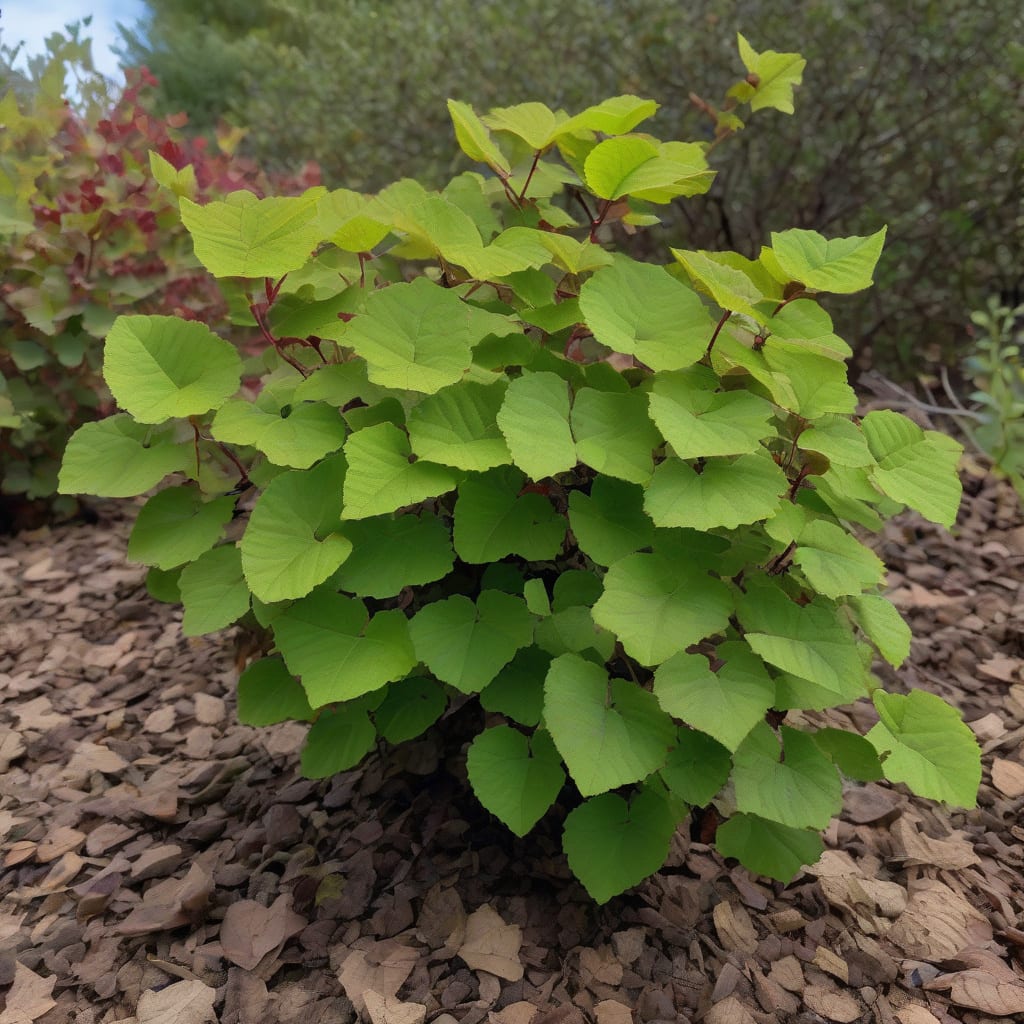
When walking through wooded areas, it’s essential to watch out for Poison Oak 🌿, a plant known for causing skin irritation. Understanding its growth patterns can help you avoid it more effectively.
Poison Oak can grow quite tall, typically reaching heights of 3 to 10 feet, making it a considerable presence in various environments. Let’s explore its growth habits and what affects its size.


Poison oak is a versatile plant that can grow in various forms, from a shrub to a vine, and its height can vary significantly based on environmental conditions. Typically, poison oak can grow between 3 to 10 feet tall, making it a considerable presence in many outdoor environments 🌿.
The growth pattern of poison oak is influenced by factors such as soil quality, sunlight, and moisture levels. In optimal conditions, it can grow quite vigorously, reaching heights of up to 10 feet within a few years. Understanding these growth patterns is crucial for effective management and avoidance 🔥.
The height of poison oak can be influenced by the availability of support structures. When growing as a vine, it can climb up trees or other supports, potentially reaching heights of over 10 feet. In contrast, when growing as a shrub, it tends to remain shorter, typically between 3 to 6 feet tall 🌟.
Environmental factors such as sunlight and soil quality play a significant role in determining the height of poison oak. Plants growing in areas with ample sunlight and rich soil tend to grow taller and more vigorously than those in shadier or poorer soil conditions 🌧.
Poison oak’s growth is not limited to its height; it can also spread laterally through underground roots, forming dense thickets in some cases. This ability to spread makes it challenging to control and eradicate in certain environments 🌱.
Understanding the growth patterns of poison oak is essential for developing effective strategies for its management. By recognizing the factors that influence its height and spread, individuals can better prepare to avoid or remove this irritating plant 🔍.
Poison oak’s ability to grow in various forms and environments makes it a widespread concern in many outdoor settings. Its presence can be particularly problematic in areas with disturbed soil, as this can encourage its growth and spread 🌿.
Effective management of poison oak requires a comprehensive understanding of its growth habits and the environmental factors that influence its size. By considering these factors, individuals can develop targeted strategies for controlling poison oak and minimizing its impact on outdoor activities 🏃.
In conclusion, poison oak is a highly adaptable plant that can grow to varying heights based on environmental conditions. Its ability to grow as both a shrub and a vine, combined with its vigorous growth rate, makes it a significant presence in many outdoor environments. Understanding its growth patterns is key to effective avoidance and management 🌱.
By recognizing the factors that influence poison oak’s height and spread, individuals can better navigate outdoor environments and minimize their exposure to this irritating plant. Effective management strategies can help reduce the risks associated with poison oak and promote safer outdoor experiences 🌟.
Poison oak’s growth and spread are influenced by various environmental factors. Understanding these factors is crucial for effective management and avoidance 🔍.
The plant thrives in areas with ample sunlight and rich soil, growing taller and more vigorously than in shadier or poorer soil conditions 🌧.
Be cautious when approaching areas with disturbed soil, as this can encourage poison oak’s growth and spread 🌿.
Soil quality plays a significant role in determining poison oak’s height and vigor. Plants growing in rich, moist soil tend to grow more robustly than those in dry or nutrient-poor conditions 🌱.
Moisture levels also impact poison oak’s growth. While it can tolerate some drought, consistent moisture promotes healthier and more vigorous growth 💧.
In addition to soil and moisture, sunlight exposure affects poison oak’s development. Partial shade to full sun can support its growth, making it a versatile plant in various environments 🌞.
Understanding these environmental factors is essential for managing poison oak effectively. By recognizing the conditions that promote its growth, individuals can take steps to minimize its spread and impact 🏃.
Effective management strategies include removing support structures, reducing soil disturbance, and controlling moisture levels. These approaches can help mitigate poison oak’s growth and spread 🌱.
In conclusion, poison oak’s growth and spread are influenced by a combination of environmental factors. By understanding these factors, individuals can develop targeted strategies for managing this irritating plant and promoting safer outdoor experiences 🌟.
Poison oak can be found in various environments, from forests to backyards, making it essential to understand how to identify and manage its growth effectively 🌿.
To identify poison oak, look for its characteristic lobed or deeply toothed leaves, which can resemble oak leaves. The plant can grow as a shrub or vine, making it challenging to recognize in different settings 🔍.
Managing poison oak requires a combination of strategies, including removing support structures, reducing soil disturbance, and controlling moisture levels. These approaches can help mitigate its growth and spread 🌱.
When managing poison oak, it’s essential to wear protective clothing, including gloves and long sleeves, to minimize skin exposure. Additionally, consider using herbicides or manual removal methods to control its growth 🔥.
By understanding how to identify and manage poison oak growth in different environments, individuals can reduce the risks associated with this irritating plant and promote safer outdoor experiences 🌟.
Effective management of poison oak requires ongoing monitoring and maintenance. Regularly inspect areas where poison oak is present, and take steps to prevent its spread and growth 🌱.
In conclusion, identifying and managing poison oak growth in different environments is crucial for minimizing its impact on outdoor activities. By recognizing its characteristics and using effective management strategies, individuals can reduce the risks associated with this plant 🌿.
