
Beautiful Plants For Your Interior
Beautiful Plants For Your Interior
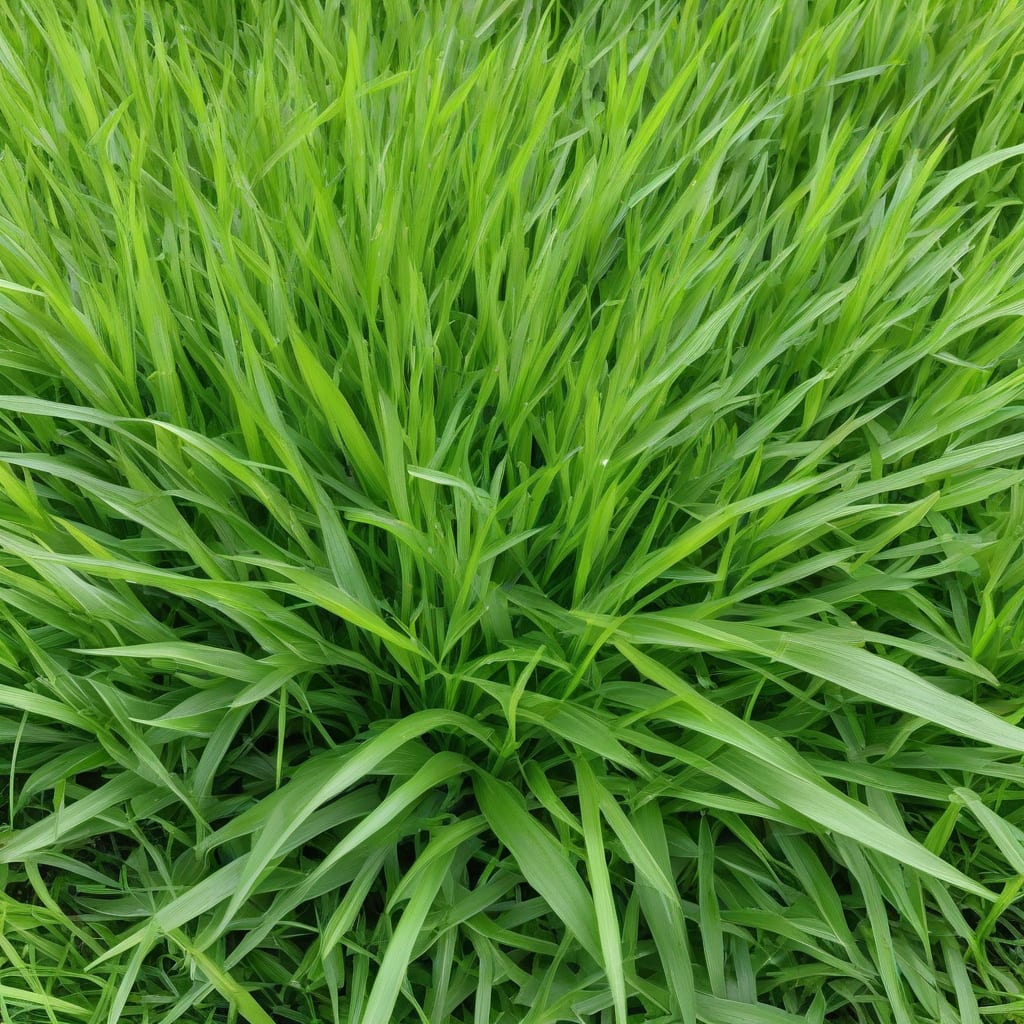
Have you ever looked out at your lawn and wondered how that pesky crabgrass 🌿 managed to grow so tall so quickly? It’s a common frustration for many gardeners in USDA Zone 6.
Understanding how tall crabgrass can grow – typically between 1-5 feet – is key to managing it effectively. Let’s explore what influences its growth and how you can keep it under control.


Crabgrass is a common lawn weed that can grow quite tall if left unchecked. Understanding its growth patterns is essential for effective control. The height of crabgrass can vary depending on several factors, including soil quality, sunlight, and watering conditions 🌿.
In general, crabgrass can grow anywhere from 1 to 5 feet tall. This wide range is due to the different species of crabgrass and the varying conditions in which it grows. Some species, like large crabgrass, can reach heights of up to 5 feet, while others may remain shorter 🔥.
Crabgrass growth can be divided into several stages. It begins as a seedling, emerging from the soil and growing its first set of leaves. As it matures, it produces more leaves and stems, eventually reaching its full height 🌟.
The height of crabgrass is influenced by factors such as soil quality, sunlight, and watering conditions. Crabgrass thrives in areas with full sun and adequate moisture, allowing it to grow taller and more vigorously 🌱.
In addition to its height, crabgrass is also known for its rapid growth rate. It can quickly outcompete other plants for resources, making it a challenging weed to control 🔥.
Understanding the growth patterns of crabgrass is crucial for developing effective control strategies. By recognizing the stages of growth and the factors that influence its height, gardeners can take targeted actions to manage crabgrass and maintain a healthy lawn 🌿.
Crabgrass can be a persistent problem in lawns, but with the right knowledge and tools, it can be effectively managed. By understanding how tall crabgrass can grow and the factors that influence its growth, gardeners can take steps to prevent its overgrowth and maintain a lush, weed-free lawn 💪.
Effective management of crabgrass requires a combination of good lawn care practices and targeted control methods. By understanding the growth patterns of crabgrass and the factors that influence its height, gardeners can develop a comprehensive plan to manage this common lawn weed 🌿.
In conclusion, crabgrass is a common lawn weed that can grow quite tall if left unchecked. Understanding its growth patterns and the factors that influence its height is essential for effective control. By recognizing the stages of growth and the factors that influence its height, gardeners can take targeted actions to manage crabgrass and maintain a healthy lawn 🌟.
Several factors influence the height and spread of crabgrass, making it a challenging weed to control. Understanding these factors is crucial for developing effective management strategies 🌿.
Soil quality plays a significant role in determining the height of crabgrass. Nutrient-rich soil with adequate moisture allows crabgrass to grow taller and more vigorously. Conversely, poor soil conditions can limit its growth 🔥.
Crabgrass thrives in areas with full sun and adequate moisture, allowing it to grow taller and more vigorously 🌱.
Sunlight is another critical factor affecting crabgrass height. Areas with full sun exposure tend to have taller crabgrass, as it requires sunlight to undergo photosynthesis and grow 🔆.
Watering conditions also impact crabgrass growth. Adequate moisture promotes healthy growth, while drought conditions can limit its height. Consistent watering practices can contribute to taller crabgrass 🌟.
In addition to these factors, lawn care practices can influence crabgrass height. Mowing and fertilization can either promote or inhibit crabgrass growth, depending on the methods used 🌿.
By understanding the factors that affect crabgrass height and spread, gardeners can develop targeted strategies to manage this common lawn weed. Effective management requires a combination of good lawn care practices and targeted control methods 💪.
Understanding the factors that influence crabgrass growth is essential for maintaining a healthy lawn. By recognizing the importance of soil quality, sunlight, and watering conditions, gardeners can take steps to prevent crabgrass overgrowth 🌟.
In conclusion, managing crabgrass effectively requires understanding the factors that influence its height and spread. By considering soil quality, sunlight, and watering conditions, gardeners can develop a comprehensive plan to control crabgrass and maintain a lush, weed-free lawn 🌱.
Controlling crabgrass requires a combination of good lawn care practices and targeted control methods. Understanding how to manage crabgrass effectively is crucial for maintaining a healthy lawn 🌿.
One of the most effective ways to control crabgrass is through mowing. Maintaining your lawn at the recommended height can help prevent crabgrass from growing too tall. Regular mowing also helps to reduce seed production, which can prevent the spread of crabgrass 🌱.
Maintain your lawn at the recommended height to prevent crabgrass from growing too tall.
Apply pre-emergent herbicides in early spring to prevent crabgrass seeds from germinating.
Maintain a healthy, dense lawn through proper fertilization and watering practices.
In addition to mowing and herbicides, improving overall lawn care practices can help control crabgrass. This includes maintaining a healthy, dense lawn through proper fertilization and watering practices 🌟.
By combining these methods, gardeners can effectively manage crabgrass and prevent its overgrowth. Regular monitoring and maintenance are key to keeping crabgrass under control 💪.
Effective crabgrass control requires a comprehensive approach that includes mowing, herbicides, and good lawn care practices. By understanding how to manage crabgrass effectively, gardeners can maintain a healthy, weed-free lawn 🌿.
