
Beautiful Plants For Your Interior
Beautiful Plants For Your Interior
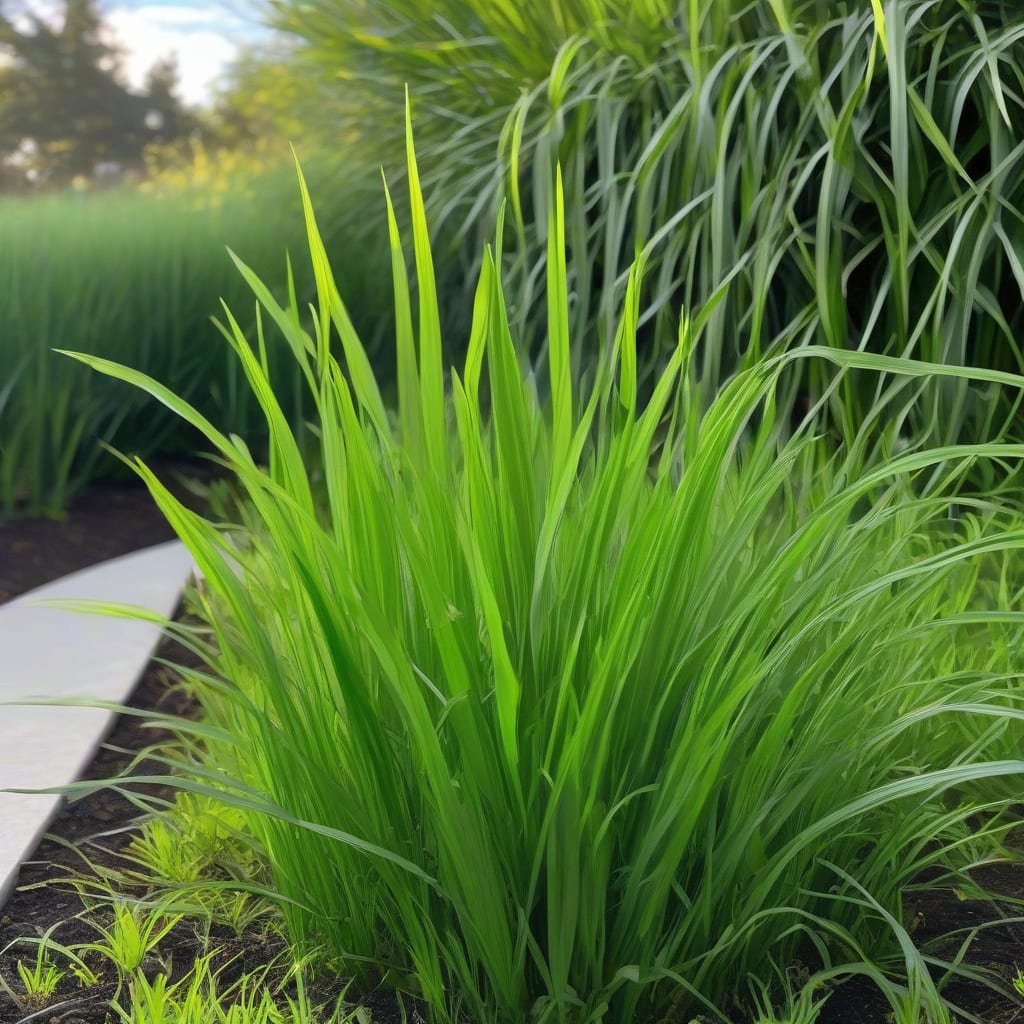
As I step into my lush lawn 🌿, I’m often amazed at how tall my grass can grow. The height varies significantly depending on the type of grass, climate, and maintenance practices.
Understanding these factors is crucial for achieving a healthy lawn in USDA Zone 6. Let’s explore the maximum height grass can reach and how to maintain it at its best.

1-2 ft

2-3 ft

Not applicable

1-3 ft
The maximum height of grass is influenced by several key factors that every homeowner should understand. The type of grass is perhaps the most significant determinant, as different species have varying growth potentials. For instance, tall fescue can grow significantly taller than fine fescue.
Other critical factors include soil quality, sunlight exposure, and watering practices. Soil that is rich in nutrients and has good drainage can support healthier, taller grass. Similarly, adequate sunlight is essential for grass growth, with most types requiring at least 6 hours of direct sunlight per day.
Understanding these factors is crucial for achieving a lush, healthy lawn. By selecting the right grass species for your climate and maintaining optimal growing conditions, you can maximize your grass’s growth potential 🌿.
The max height of grass can vary significantly based on these factors. For example, some tall fescue varieties can reach heights of up to 3 feet under ideal conditions, while others may remain much shorter.
To achieve the desired height, it’s essential to understand how these factors interact. Soil preparation, proper watering, and adequate sunlight all play critical roles in determining the maximum height your grass can achieve.
Regular maintenance practices such as mowing and fertilizing also impact grass height. Mowing at the appropriate height for your grass type and fertilizing as needed can help maintain a healthy, lush lawn.
By considering these factors and adapting your lawn care practices accordingly, you can optimize your grass’s growth and achieve the desired height 🌼.
It’s also important to note that different grass types have different growth habits. Cool-season grasses tend to grow more in the spring and fall, while warm-season grasses thrive during the summer months.
Understanding these growth patterns can help you tailor your lawn care practices to the specific needs of your grass, ensuring it reaches its maximum potential height.
In conclusion, the maximum height of grass is influenced by a combination of factors including grass species, soil quality, sunlight exposure, and watering practices. By understanding and managing these factors, you can achieve a healthy, lush lawn that meets your needs.
Understanding the different types of grass and their growth patterns is crucial for maintaining a healthy lawn. The height to which grass can grow varies significantly depending on whether it’s a cool-season or warm-season grass.
The maximum height of different grass types can vary significantly. Cool-season grasses like Kentucky bluegrass and perennial ryegrass can grow up to 2-3 feet tall, while warm-season grasses like Bermudagrass and zoysiagrass typically reach heights of 1-2 feet.
Understanding these growth patterns is essential for proper lawn maintenance. Cool-season grasses require more frequent mowing during their active growth periods in spring and fall, while warm-season grasses need regular mowing during the summer months 🌿.
By recognizing the specific growth habits of your grass type, you can tailor your lawn care practices to promote healthy growth and maintain the desired height. Regular mowing, fertilizing, and watering practices all play a critical role in achieving a lush, vibrant lawn.
It’s also important to consider the specific needs of your grass type when planning your lawn care routine. For example, cool-season grasses may require more frequent fertilization during their active growth periods, while warm-season grasses may need more frequent watering during hot summer months.
In conclusion, understanding the growth patterns of different grass types is crucial for maintaining a healthy, attractive lawn. By recognizing the unique characteristics of your grass and adapting your lawn care practices accordingly, you can achieve the desired height and promote overall lawn health 🌱.
Maintaining the ideal grass height is crucial for a healthy, vibrant lawn. Proper mowing techniques play a significant role in controlling grass height while promoting overall lawn health. I recommend mowing your lawn regularly, but never removing more than one-third of the grass blade at a time to prevent stressing the grass 🌿.
For optimal lawn health, maintain your mower blade at the recommended height for your specific grass type. Cool-season grasses typically require a height of 2.5-3 inches, while warm-season grasses do best at 1-2 inches.
In addition to proper mowing, fertilization is essential for maintaining healthy grass. Fertilize your lawn during the growing season with a balanced fertilizer to promote healthy growth and maintain the desired height. The frequency of fertilization depends on the type of grass and climate, but generally, fertilizing every 4-6 weeks during the growing season is recommended 🌼.
Watering practices also impact grass height and overall lawn health. Water your lawn deeply but infrequently to encourage deep root growth, making it more resistant to drought and other stresses. The best time to water is early in the morning to minimize evaporation and reduce the risk of fungal diseases.
By combining proper mowing, fertilizing, and watering practices, you can maintain a healthy, lush lawn at the desired height. Understanding the specific needs of your grass type and adapting your lawn care practices accordingly is key to achieving optimal results 🌱.
Regular maintenance not only controls grass height but also promotes overall lawn health. By following these tips, you can enjoy a beautiful, thriving lawn that enhances your outdoor space.
