
Beautiful Plants For Your Interior
Beautiful Plants For Your Interior
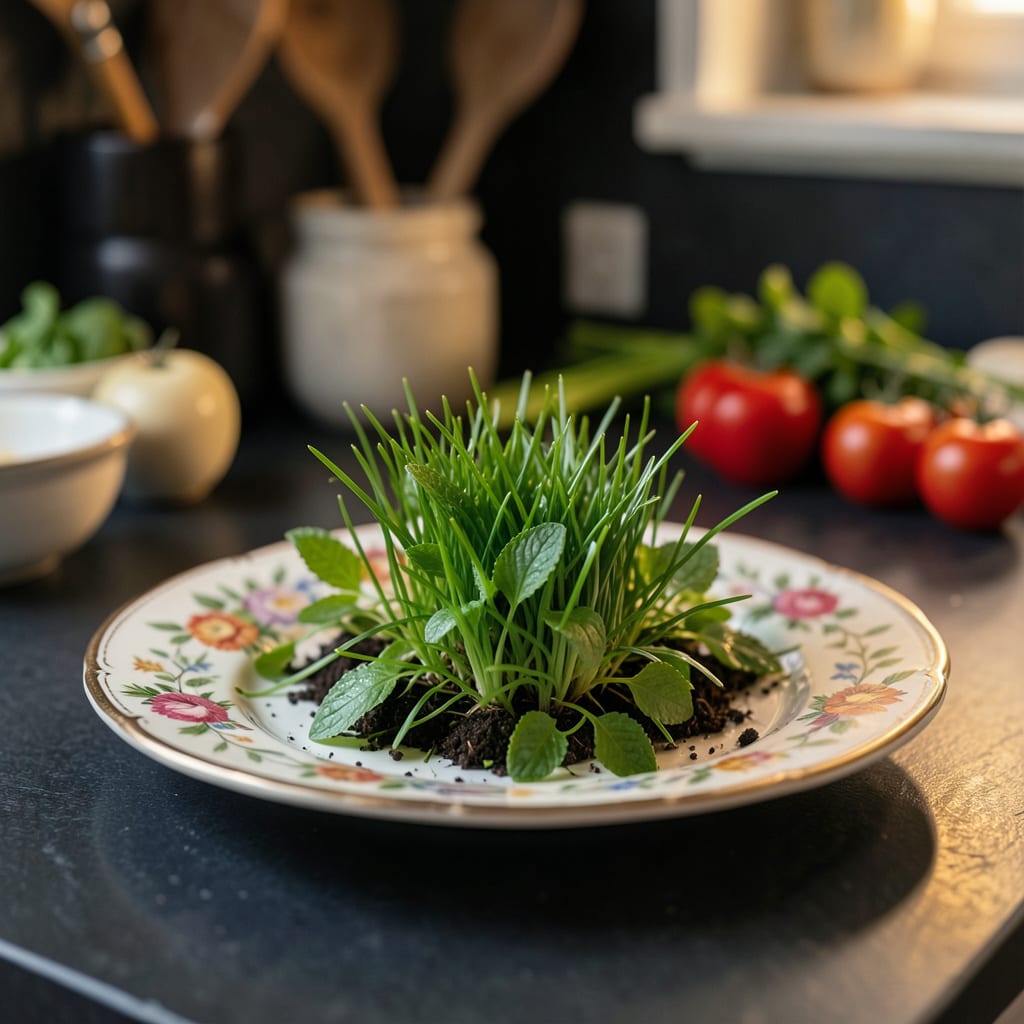
Fertilizing your Grass 🌿 at the right time can make all the difference in achieving a lush, vibrant lawn. In USDA Zone 6, timing is everything.
I recommend fertilizing during the growing seasons of spring and fall. This helps promote healthy growth and prepares your lawn for the challenges of summer and winter. Let’s explore the best fertilization schedule for your lawn.

Fertilizing your grass at the right time is crucial for maintaining a healthy and vibrant lawn. In USDA Zone 6, the best times to fertilize are during the growing seasons of spring and fall.
I recommend fertilizing your grass in early spring to promote new growth, and again in late summer to prepare it for the challenges of winter. The exact timing depends on your grass type and local climate conditions. 🌿
The fertilizer schedule for your grass should be adjusted based on the type of grass and local climate conditions. For example, cool-season grasses benefit from fall fertilization, while warm-season grasses thrive with late spring and summer applications.
Understanding the nutrient needs of your grass is essential for choosing the right fertilizer. A balanced fertilizer with an NPK ratio of 10-10-10 is generally recommended for most lawns.
I recommend applying fertilizer in the early morning when the grass is still dew-kissed. This helps the nutrients absorb better and reduces the risk of burning the grass.
Soil test results can provide valuable insights into your lawn’s nutrient deficiencies. Based on these results, you can adjust your fertilization schedule and choose the most appropriate fertilizer type.
For cool-season grasses, fertilize in early fall to promote root growth and prepare the lawn for winter. For warm-season grasses, a late spring application can help kickstart the growing season.
It’s also important to consider the watering schedule for your lawn. Proper watering helps the fertilizer work more effectively and promotes healthy grass growth.
In USDA Zone 6, the ideal months for fertilizing grass are April, May, September, and October. These periods coincide with the growing seasons and provide the necessary nutrients for optimal growth.
By following a seasonal fertilization guide and understanding the specific needs of your grass, you can achieve a lush, vibrant lawn that enhances your outdoor space.
Understanding when your grass needs fertilization is crucial for maintaining a healthy lawn. I recommend checking for signs of nutrient deficiency, such as changes in color or growth patterns. 🌿
One of the primary indicators that your grass needs fertilization is a change in its color. If your lawn starts to turn a lighter shade of green or yellow, it may be lacking essential nutrients. Another sign is a slow growth rate, which can indicate that your grass is not receiving enough fertilizer.
If you notice yellowing grass or slow growth, it may be time to fertilize. Regular soil tests can also help determine your lawn’s nutrient needs.
Soil tests are an effective way to determine your lawn’s nutrient deficiencies. By analyzing your soil, you can identify the specific nutrients that are lacking and choose the right fertilizer for your grass.
In addition to color changes and soil tests, you should also monitor your lawn’s growth patterns. If your grass is growing unevenly or appears patchy, it may benefit from fertilization.
I recommend fertilizing your grass during the growing seasons of spring and fall. During these times, your lawn is actively growing and can benefit from the additional nutrients provided by fertilization.
By paying attention to these signs and adjusting your fertilization schedule accordingly, you can maintain a healthy, vibrant lawn that enhances your outdoor space. Regular lawn care practices, including mowing and watering, also play a crucial role in maintaining your lawn’s health.
For optimal results, consider using a balanced fertilizer with an NPK ratio of 10-10-10. This type of fertilizer provides a broad spectrum of nutrients that can help address various nutrient deficiencies in your lawn.
By following these guidelines and staying attentive to your lawn’s needs, you can achieve a lush, healthy lawn that is the envy of the neighborhood. 🌟
Understanding the specific needs of your grass is crucial for effective fertilization. Different grass types and climates require tailored approaches to achieve optimal results 🌿.
I recommend considering factors such as grass species, soil type, and local climate conditions when determining your fertilization schedule. For instance, cool-season grasses thrive in cooler temperatures and benefit from fall fertilization, while warm-season grasses require more frequent fertilization during the summer months.
For cool-season grasses, a fall fertilization is critical as it helps the grass recover from summer stress and prepares it for the cold winter months. On the other hand, warm-season grasses benefit from late spring and summer fertilization to maintain their growth during the active growing season.
By understanding the unique requirements of your lawn and adjusting your fertilization practices accordingly, you can achieve a healthy, vibrant lawn that enhances your outdoor space.
I recommend consulting local gardening experts or conducting soil tests to determine the most effective fertilization strategy for your specific conditions. This personalized approach ensures that your lawn receives the right nutrients at the right time, promoting optimal health and growth 🌟.
Fertilization frequency depends on your grass type and local climate conditions. Generally, fertilize during the growing seasons of spring and fall. For most lawns, a balanced fertilizer applied every 4-6 weeks during these periods is sufficient.
Look for changes in color, such as yellowing or a lighter shade of green, and slow growth rate. Uneven or patchy growth can also indicate nutrient deficiencies. Regular soil tests can help determine your lawn’s specific needs.
Yes, but use a light feed to maintain growth during hot months. Avoid over-fertilizing, as this can damage your lawn. For warm-season grasses, summer fertilization is crucial, while cool-season grasses may require less frequent application.
I recommend applying fertilizer in the early morning when the grass is still dew-kissed. This helps nutrients absorb better and reduces the risk of burning the grass. It’s also less likely to be washed away by rain or irrigation.
