
Beautiful Plants For Your Interior
Beautiful Plants For Your Interior
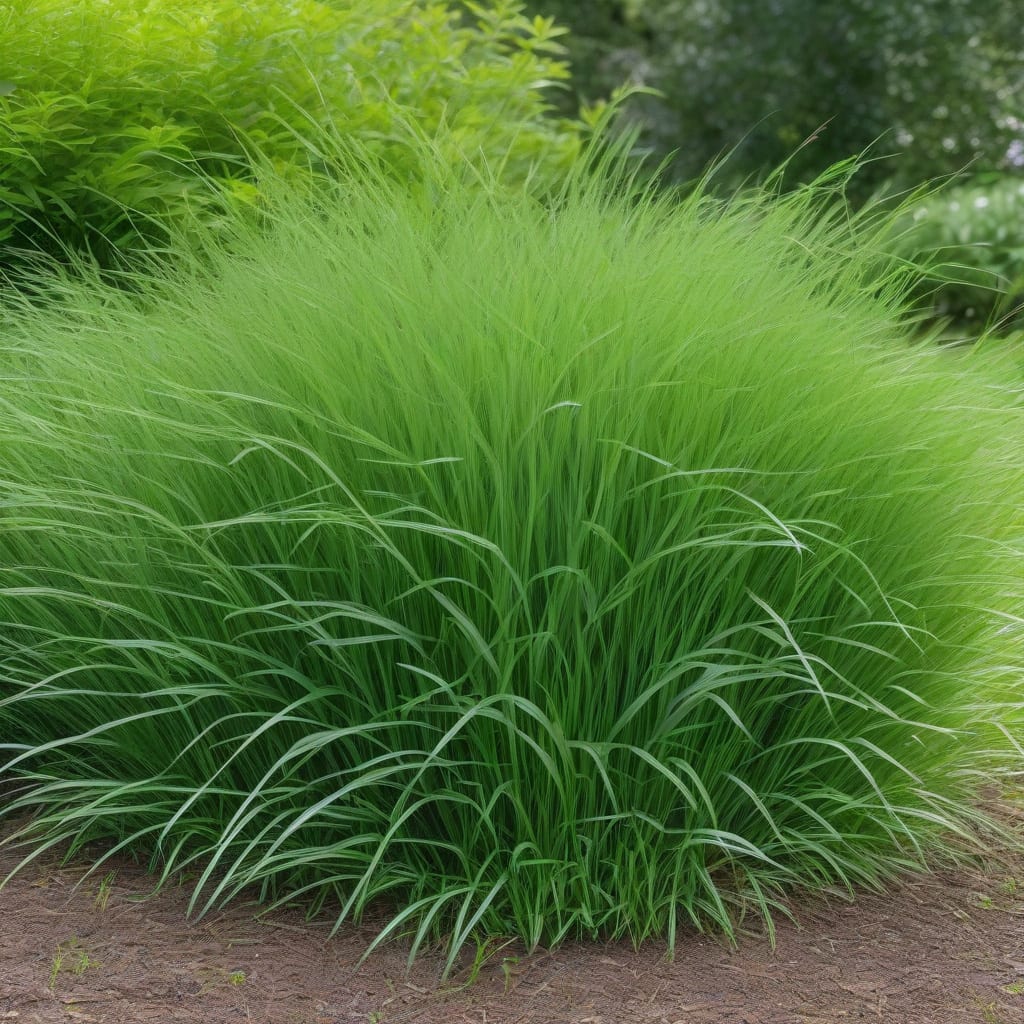
Growing Tall Fescue 🌿 can transform your lawn into a lush, green oasis with the right care. In USDA Zone 6, timing is everything – plant during spring or fall for best results.
I’ll guide you through the essentials: soil preparation, proper seeding, and maintenance tips to keep your Tall Fescue thriving. Let’s get started on creating the lawn you’ve always wanted.

1-2 ft

2-3 ft

2-3 ft

2-3 ft
Growing Tall Fescue successfully requires understanding its essential growth conditions. This cool-season grass thrives in specific environments, making it crucial to know what it needs to flourish.
The ideal conditions for Tall Fescue include the right amount of sunlight, appropriate soil type, consistent watering, and suitable temperatures. Let’s explore these factors in detail to create an optimal growing environment 🌿.
Understanding these growth requirements is crucial for creating an ideal environment for Tall Fescue. By providing the right conditions, you can ensure a healthy and vibrant lawn 🌿.
The sunlight requirements for Tall Fescue make it suitable for lawns with varying levels of shade. While it prefers full sun, it can tolerate partial shade, making it a versatile choice for different landscapes.
Soil preparation is another critical factor. Tall Fescue prefers well-draining soil with a slightly acidic to neutral pH. Amending the soil with organic matter can improve its fertility and drainage, creating a more favorable environment for the grass to grow 🌱.
Proper watering practices are essential, especially during the establishment phase. Consistent moisture helps the roots develop deeply, making the lawn more drought-resistant over time.
Temperature tolerance is a key characteristic of Tall Fescue. It thrives in cooler temperatures, making it an excellent choice for regions with mild summers. However, it can also withstand a range of temperatures, adding to its hardiness 🌟.
By understanding and meeting these growth requirements, you can cultivate a lush, resilient Tall Fescue lawn that enhances your outdoor space.
Maintaining the right mowing height is crucial for the health of your Tall Fescue lawn. Keeping it at 2-3 inches promotes deep root growth and prevents weed invasion.
With these guidelines, you’re well on your way to growing a vibrant Tall Fescue lawn that thrives in its optimal conditions 🌼.
Growing Tall Fescue successfully requires a systematic approach. I’ll guide you through the practical steps needed to plant, maintain, and nurture your Tall Fescue lawn 🌱.
Test your soil to determine its pH level and nutrient content. Amend the soil as necessary to achieve a pH between 6.0 and 7.0. Add organic matter like compost to improve soil structure and fertility 🌿.
Sow Tall Fescue seeds during the optimal planting window: early fall (September) or early spring (March). Ensure even coverage by dividing your lawn into sections and sowing seeds at the recommended rate 🌱.
Keep the soil consistently moist during the establishment phase. Water deeply but infrequently to encourage deep root growth. Reduce watering to about 0.5-1 inch per week once established 💧.
Apply a balanced fertilizer (10-10-10 NPK) during the growing season. Follow the recommended application rate and timing to promote healthy growth without over-fertilizing 🌼.
Maintain your Tall Fescue lawn at a height of 2-3 inches. Regular mowing encourages dense growth and prevents weed invasion. Use sharp mower blades to avoid tearing the grass 🛠️.
By following these step-by-step guidelines, you can ensure the successful establishment and maintenance of your Tall Fescue lawn. Each step is crucial for creating a lush, healthy, and resilient landscape 🌱.
Soil preparation is the foundation of a thriving lawn. Properly amended soil provides the necessary nutrients and structure for Tall Fescue to grow robustly 🌿.
Sowing seeds at the right time and in the correct manner ensures even coverage and optimal germination rates. This step is critical for achieving a uniform and healthy lawn 🌱.
Proper watering practices are essential during the establishment phase. Consistent moisture helps the roots develop deeply, making the lawn more resilient to drought conditions 💧.
Fertilization provides the necessary nutrients for healthy growth. A balanced fertilizer applied at the right time promotes vigorous development without causing excessive growth 🌼.
Regular mowing at the appropriate height encourages dense growth and prevents weed invasion. It’s a simple yet effective maintenance practice that keeps your Tall Fescue lawn looking its best 🛠️.
By adhering to these practical steps, you can cultivate a vibrant Tall Fescue lawn that enhances your outdoor space and provides a lush, green environment for years to come 🌸.
Growing Tall Fescue can be challenging due to various environmental and maintenance factors. I’ll address common issues and provide practical solutions to help you maintain a healthy and vibrant lawn 🌿.
Be aware of potential problems like shade stress, drought stress, and diseases that can affect your Tall Fescue lawn. Proper maintenance and timely interventions can mitigate these challenges.
Shade tolerance is a common challenge for Tall Fescue lawns. While it can tolerate partial shade, dense shade can lead to thin or patchy areas. Consider pruning trees or using shade-tolerant grass varieties in heavily shaded areas 🌳.
Drought resistance is another critical factor. Tall Fescue is relatively drought-tolerant, but prolonged dry spells can stress the lawn. Implement deep watering practices during dry periods to maintain soil moisture 💧.
Disease prevention is essential for maintaining a healthy lawn. Common diseases like brown patch and rust can affect Tall Fescue. Ensure proper air circulation, avoid overwatering, and apply fungicides as needed to prevent disease outbreaks 🌟.
Pest management is also crucial. Pests like white grubs and billbugs can damage Tall Fescue lawns. Monitor your lawn regularly and use appropriate pest control measures to address infestations 🐜.
By understanding these common challenges and implementing the recommended solutions, you can maintain a resilient and attractive Tall Fescue lawn. Stay vigilant and proactive in your lawn care routine to ensure long-term success 🌼.
Regular maintenance practices like mowing, fertilizing, and aerating can significantly enhance your lawn’s health and appearance. Adjust your maintenance schedule according to seasonal needs to keep your Tall Fescue thriving 🌿.
With these troubleshooting tips, you’re better equipped to handle common issues that may arise with your Tall Fescue lawn. Stay informed and proactive to enjoy a lush, green landscape for years to come 🌸.
The ideal times to plant Tall Fescue are early fall (September) or early spring (March). These periods offer optimal soil temperatures between 50°F and 65°F for germination. Planting during these windows helps establish a strong root system before extreme weather conditions set in .
Tall Fescue requires consistent moisture, especially during establishment. Water deeply to encourage deep root growth, aiming for about 1 inch of water per week. Once established, reduce watering to 0.5-1 inch per week, adjusting based on weather conditions .
Maintain your Tall Fescue lawn at a height of 2-3 inches. Regular mowing encourages dense growth and prevents weed invasion. Use sharp mower blades to avoid tearing the grass, and mow as needed based on growth rate, typically every 7-10 days during the growing season .
While Tall Fescue can tolerate partial shade, it thrives best in full sun to partial shade conditions. For areas with dense shade, consider pruning trees or using shade-tolerant grass varieties to achieve better coverage .
