
Beautiful Plants For Your Interior
Beautiful Plants For Your Interior
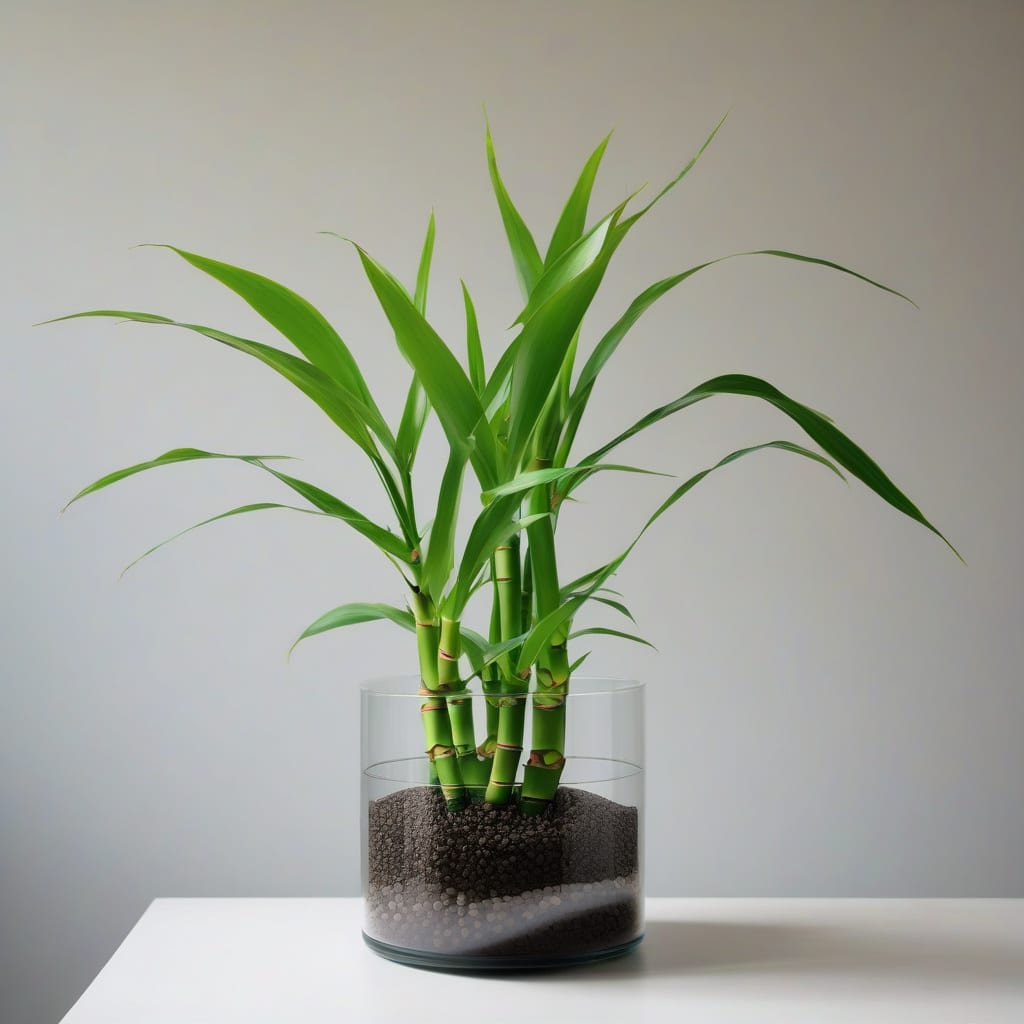
Bamboo 🌿 is known for its rapid growth and impressive height, but have you ever wondered just how tall it can grow? In ideal conditions, some bamboo species can reach heights of 80 feet or more.
Understanding the factors that affect bamboo height is crucial for garden planning, especially if you’re working with limited space or trying to create a specific landscape feature. Let’s explore what determines bamboo height and how you can manage it in your garden.


Bamboo height is influenced by multiple factors that work together to determine its ultimate growth potential. Understanding these elements is crucial for gardeners looking to cultivate healthy, vigorous bamboo plants that reach their maximum height capacity 🌿.
The primary factors affecting bamboo height include the specific species being grown, prevailing climate conditions, soil quality, and ongoing maintenance practices. Each of these elements plays a significant role in determining how tall bamboo will grow in a particular environment.
The specific species of bamboo is perhaps the most significant factor in determining its maximum height. Different bamboo varieties have been developed for various growth habits and height ranges. For example, dwarf bamboo varieties typically top out at 6-12 feet, while giant timber bamboo can reach heights of 40 feet or more.
Climate conditions also play a crucial role in bamboo height development. Bamboo generally thrives in tropical and subtropical regions with ample rainfall and warm temperatures. In ideal conditions, bamboo can grow 3-5 feet in just 24 hours, although sustained growth rates are typically much slower 🌱.
The quality of the soil in which bamboo is planted significantly affects its growth potential. Bamboo prefers rich, moist soil with good drainage. Soil that is too dry or lacking in essential nutrients can limit bamboo’s ability to reach its maximum height potential.
Finally, maintenance practices such as regular pruning and fertilization can influence bamboo height. While pruning can control height, proper fertilization can encourage vigorous growth that helps bamboo reach its natural height limits.
By understanding these key factors, gardeners can better predict and manage the height of their bamboo plants, creating the desired landscape effect in their gardens.
Regular monitoring of these factors allows gardeners to make informed decisions about bamboo care, ensuring optimal growth and height management 🌿.
Different bamboo species exhibit a wide range of maximum heights, from compact dwarf varieties to towering giant types. Understanding these height variations is essential for selecting the right bamboo for specific garden spaces and landscape designs.
The height range of bamboo varieties makes them suitable for various landscaping applications, from compact garden features to tall privacy screens. By selecting the appropriate bamboo type, gardeners can achieve their desired height and growth characteristics.
When choosing bamboo for height, consider both the mature size of the plants and their growth rate. Some bamboo varieties achieve their maximum height quickly, while others may take several years to reach full maturity.
Understanding these height variations helps gardeners make informed decisions about bamboo selection and placement in their landscapes.
Effectively managing bamboo height is crucial for maintaining the desired landscape features and preventing unwanted spread. Gardeners can employ several strategies to control bamboo height while promoting healthy plant growth 🌱.
Regular pruning is essential for controlling bamboo height. Prune annually or as needed to maintain desired height and shape. Use sharp, clean tools to prevent damage to the plants.
Container cultivation is another effective method for managing bamboo height and spread. Growing bamboo in containers restricts root growth, naturally limiting overall plant height. Choose containers that are at least 24 inches deep to accommodate root development.
For larger bamboo varieties, consider using rhizome barriers to control spread while allowing height growth. These barriers should be installed 24-36 inches deep to effectively contain the rhizomes.
Regular maintenance, including monitoring for new shoots and timely pruning, helps maintain the desired height and shape of bamboo plants in garden settings 🌿.
Different bamboo species exhibit a wide range of maximum heights, from compact dwarf varieties to towering giant types. Understanding these height variations is essential for selecting the right bamboo for specific garden spaces and landscape designs.
The height range of bamboo varieties makes them suitable for various landscaping applications, from compact garden features to tall privacy screens. By selecting the appropriate bamboo type, gardeners can achieve their desired height and growth characteristics.
When choosing bamboo for height, consider both the mature size of the plants and their growth rate. Some bamboo varieties achieve their maximum height quickly, while others may take several years to reach full maturity.
Understanding these height variations helps gardeners make informed decisions about bamboo selection and placement in their landscapes.
Different bamboo species have unique growth patterns that affect their maximum height potential. For example, clumping bamboo tends to grow more slowly and reaches a lower maximum height compared to running bamboo, which can spread quickly and achieve greater heights.
The growth habit of bamboo is another critical factor to consider when evaluating its potential height. Bamboo can be categorized into different types based on its growth pattern, including clumping, running, and dwarf varieties.
By understanding the specific growth characteristics of different bamboo species, gardeners can better predict and manage the height of their bamboo plants.
Regular monitoring and maintenance are essential for controlling bamboo height and ensuring that it remains within the desired range 🌿.
Effectively managing bamboo height is crucial for maintaining desired landscape features and preventing unwanted spread. Gardeners can employ several strategies to control bamboo height while promoting healthy plant growth 🌱.
Regular pruning is essential for controlling bamboo height. Prune annually or as needed to maintain desired height and shape. Use sharp, clean tools to prevent damage to the plants.
Container cultivation is another effective method for managing bamboo height and spread. Growing bamboo in containers restricts root growth, naturally limiting overall plant height. Choose containers that are at least 24 inches deep to accommodate root development.
For larger bamboo varieties, consider using rhizome barriers to control spread while allowing height growth. These barriers should be installed 24-36 inches deep to effectively contain the rhizomes.
Regular maintenance, including monitoring for new shoots and timely pruning, helps maintain the desired height and shape of bamboo plants in garden settings 🌿.
By implementing these strategies, gardeners can effectively manage bamboo height and create beautiful, functional landscapes that meet their specific needs.
The key to successful bamboo height management is consistent monitoring and maintenance. By staying on top of growth patterns and adjusting care practices accordingly, gardeners can enjoy the benefits of bamboo while keeping it under control.
