
Beautiful Plants For Your Interior
Beautiful Plants For Your Interior
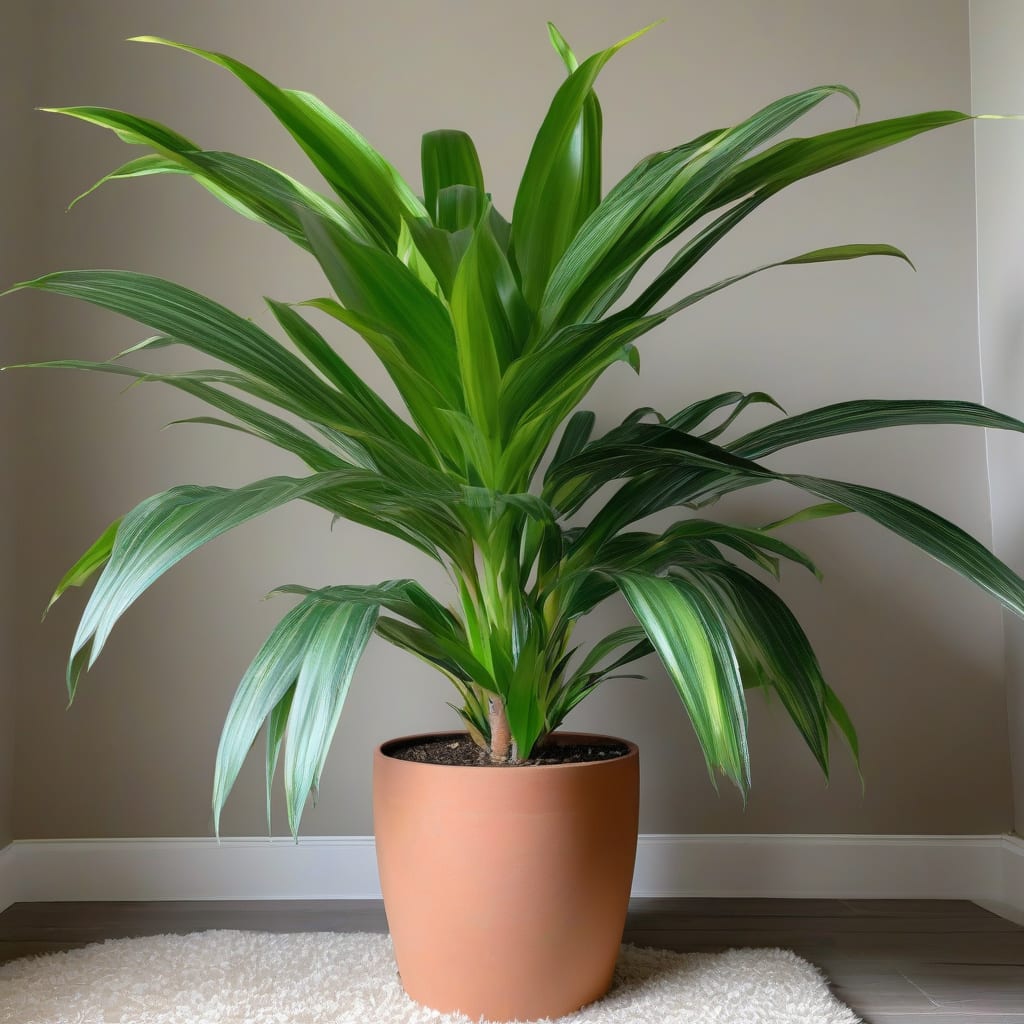
I’ve always been fascinated by bamboo’s incredible growth potential – some species can shoot up to 100 feet tall! 🌿 That’s taller than a 1-story house. Growing in USDA Zone 6, bamboo’s height is influenced by factors like climate and soil quality.
Let’s explore how tall bamboo plants can actually grow and what affects their maximum height. We’ll dive into the specifics of different bamboo species and their growth habits.


Bamboo is known for its impressive growth potential, with various species reaching different maximum heights. Some species can grow up to 100 feet tall, while others remain more compact.
The height of bamboo plants depends on several factors, including the specific species, growing conditions, and environmental factors. Let’s explore some of the most common bamboo species and their maximum recorded heights.
The Dendrocalamus giganteus is one of the tallest bamboo species, reaching heights of up to 100 feet. This species is native to Southeast Asia and is known for its massive culms and rapid growth rate.
Other species, like Bambusa tulda and Phyllostachys edulis, also achieve significant heights, though not as tall as the Dendrocalamus giganteus. The height of bamboo plants can vary greatly depending on the specific growing conditions and care
Bamboo plants are known for their rapid growth, with some species growing up to 3 feet in just 24 hours. This incredible growth rate is due to the unique characteristics of bamboo, including its ability to produce new shoots and rhizomes.
The maximum height of bamboo plants is also influenced by factors such as climate, soil quality, and maintenance practices. In general, bamboo plants prefer well-draining soil and full sun to partial shade.
To achieve maximum height, bamboo plants require adequate water and nutrients. Regular watering and fertilization can help promote healthy growth and maximize the plant’s potential height.
In addition to their impressive height, bamboo plants are also known for their durability and versatility. They can be used for a variety of purposes, including landscaping, furniture-making, and even construction.
Overall, bamboo is a remarkable plant that offers many benefits and opportunities for gardeners and growers. By understanding the factors that influence bamboo height, growers can optimize their care practices to achieve maximum growth and enjoy the many benefits of this versatile plant 🌿.
In conclusion, bamboo plants can grow to varying heights depending on the species and growing conditions. By providing the right care and conditions, growers can help their bamboo plants reach their full potential and enjoy the many benefits of this incredible plant.
Bamboo height is influenced by various factors that gardeners should consider for optimal growth. The climate plays a crucial role, with bamboo thriving in tropical and subtropical regions with high humidity and temperatures between 64°F to 90°F. 🌿
Soil quality is another critical factor. Bamboo prefers well-draining soil rich in organic matter and nutrients. The ideal soil pH for bamboo ranges from 6.0 to 7.0, which is slightly acidic to neutral.
By understanding and managing these factors, gardeners can optimize the growth of their bamboo plants and achieve the desired height. Proper care and attention to these details will result in healthy, thriving bamboo that can reach its full potential height.
The quality of care directly impacts bamboo’s ability to reach its maximum height. Regular maintenance, including pruning dead or damaged culms, is crucial for maintaining plant health and promoting new growth.
In addition to these factors, light exposure also affects bamboo growth. Most bamboo species prefer full sun to partial shade, with a minimum of 6 hours of direct sunlight per day.
Overall, bamboo is a highly adaptable plant that can thrive in various conditions. By providing the right environment and care, gardeners can enjoy the many benefits of bamboo, including its impressive height and versatility 🌟.
I understand that managing bamboo height is crucial for maintaining a well-organized garden. Bamboo can grow quite tall, with some species reaching heights of over 100 feet. To keep bamboo at a manageable height, regular maintenance is essential.
Regular pruning is key to controlling bamboo height. Prune your bamboo plants annually to maintain the desired height and promote healthy growth 🌱.
One effective method for managing bamboo height is through regular pruning. Pruning involves removing dead or damaged culms and cutting back overgrown stalks to maintain the desired height. This not only helps control the plant’s height but also promotes new growth and improves air circulation within the plant.
Container gardening is another strategy for managing bamboo height. By growing bamboo in containers, you can better control the plant’s root system and prevent it from spreading. Containers also make it easier to prune and maintain the plant’s height.
When growing bamboo in containers, ensure that the container is large enough to accommodate the plant’s root system. A minimum container size of 12-18 inches deep and 2-3 feet wide is recommended. Use a well-draining potting mix and provide adequate water and nutrients.
In addition to pruning and container gardening, other factors can influence bamboo height. These include soil quality, watering practices, and fertilization. By optimizing these factors, you can promote healthy growth and achieve the desired height for your bamboo plants.
Overall, managing bamboo height requires a combination of regular maintenance, proper care, and attention to the plant’s growing conditions. By following these tips, you can enjoy the many benefits of bamboo while keeping it at a manageable height 🌿.
