
Beautiful Plants For Your Interior
Beautiful Plants For Your Interior
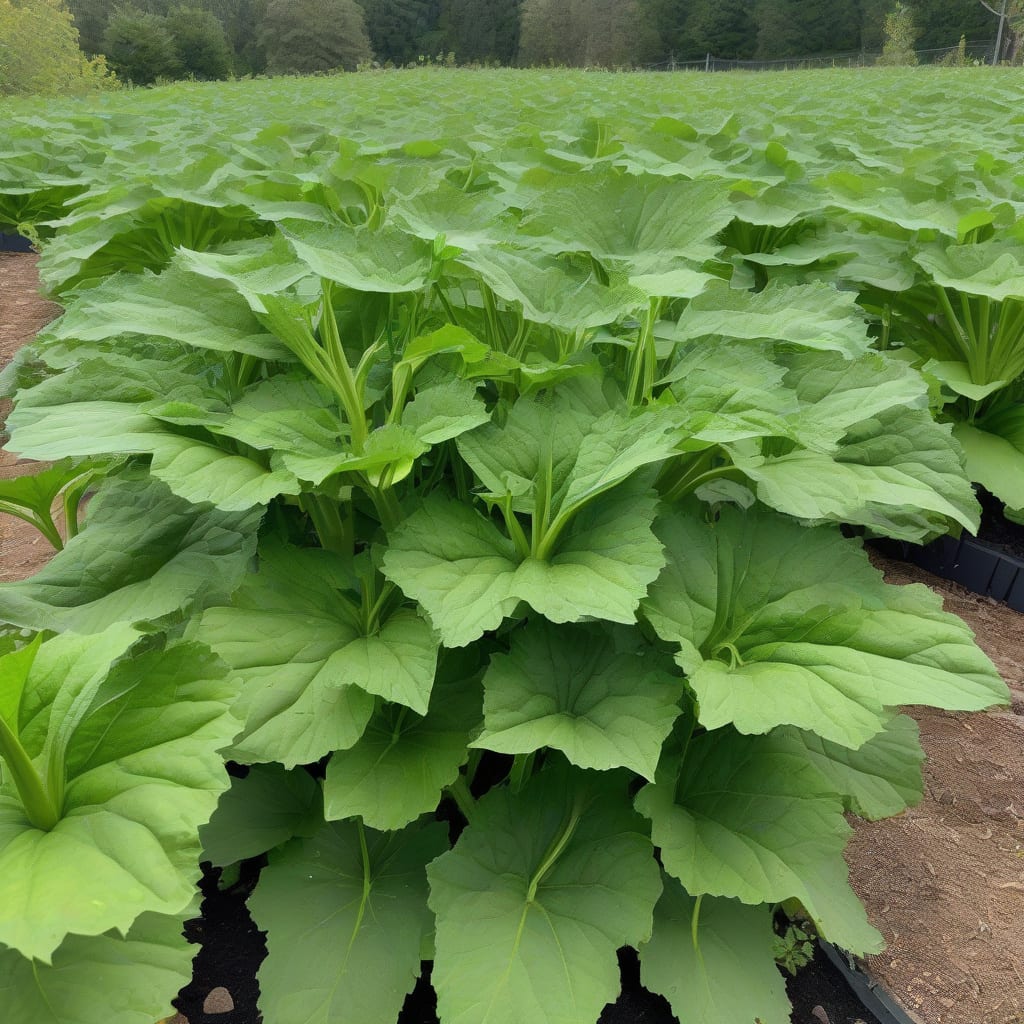
I’ve always been fascinated by how quickly zucchini 🥒 plants can take over a garden. Understanding their growth habits is key to maximizing your harvest. In USDA Zone 6, you can expect these summer squash plants to grow quite vigorously.
Zucchini plants typically reach 2-3 feet in height, spreading out even further. Proper care and planning can help you make the most of their growth potential. Let’s dive into the details of growing these productive plants.

Zucchini plants are known for their vigorous growth and ability to spread quickly in gardens. Understanding their natural growth habits is essential for proper garden planning and maximizing yield. Typically, zucchini plants can grow between 2-3 feet tall.
The growth pattern of zucchini plants is characterized by their spreading nature and rapid development. They require adequate space to grow and produce fruit effectively. Proper care and maintenance can significantly impact their growth potential 🌱.
Zucchini plants exhibit a rapid growth rate, particularly during warm weather conditions. Their ability to spread out and cover a significant area makes them ideal for gardens with ample space. Regular monitoring and maintenance are crucial to ensure optimal growth and fruit production.
The height potential of zucchini plants is influenced by various factors, including soil quality, sunlight exposure, and the specific variety. Understanding these factors can help gardeners make informed decisions to maximize their zucchini harvest.
By recognizing the growth habits of zucchini plants, gardeners can better plan their garden layout and ensure that their plants have the necessary space to thrive. This knowledge is essential for achieving a bountiful harvest and enjoying the many benefits of growing zucchini 🥒.
In addition to their height, zucchini plants are also known for their spreading nature. They can cover a significant area, making them a great choice for gardens with plenty of space. Proper spacing and care can help prevent overcrowding and promote healthy growth.
To summarize, zucchini plants are vigorous growers that can reach heights of 2-3 feet and spread out considerably. Their growth habits make them a popular choice for gardeners looking to maximize their yield and enjoy a productive growing season.
Overall, understanding the growth habits of zucchini plants is crucial for successful gardening. By providing the right conditions and care, gardeners can enjoy a bountiful harvest of delicious zucchini throughout the growing season 🌼.
Zucchini plants are a great addition to any garden, offering a high yield and versatile uses in cooking. Their growth habits make them a popular choice among gardeners, and with proper care, they can thrive in a variety of garden settings.
By
I’ve found that several key factors influence how tall zucchini plants can grow. Understanding these elements is crucial for gardeners who want to maximize their yield and maintain a healthy garden.
The height of zucchini plants is affected by various factors, including soil quality, sunlight exposure, and the specific variety of zucchini. By optimizing these factors, gardeners can promote healthy growth and maximize their harvest 🌼.
Zucchini plants thrive in well-draining, nutrient-rich soil. Amending the soil with compost or well-rotted manure can significantly improve growth and height.
Zucchini plants require full sun to grow well, needing at least 6 hours of direct sunlight per day. Insufficient sunlight can lead to leggy growth and reduced productivity.
Different zucchini varieties have varying growth habits. Some are naturally more compact, while others can be quite vigorous. Choosing the right variety for your garden space is essential.
By understanding and managing these factors, gardeners can optimize the growth of their zucchini plants. This knowledge is key to achieving a bountiful harvest and enjoying the many benefits of growing zucchini 🥒.
In my experience, paying attention to these factors can make a significant difference in the overall health and productivity of zucchini plants. By providing the right conditions, gardeners can promote healthy growth and maximize their yield.
To summarize, the height of zucchini plants is influenced by a combination of soil quality, sunlight exposure, and variety selection. By optimizing these factors, gardeners can enjoy a successful growing season and a bountiful harvest 🌼.
Overall, understanding the factors that affect zucchini plant height is crucial for successful gardening. By providing the right conditions and care, gardeners can promote healthy growth and maximize their yield.
Managing zucchini plant height is crucial for maintaining a productive and organized garden. By understanding how to control their growth, gardeners can ensure a bountiful harvest and make the most of their garden space.
To manage zucchini plant height effectively, ensure they receive adequate sunlight and proper watering. Regular pruning can also help control their size and promote healthy growth 🌱.
One effective way to manage zucchini plant height is through pruning. By removing excess foliage and weak growth, gardeners can direct the plant’s energy towards producing fruit and maintaining a manageable size.
Pruning techniques can vary depending on the specific variety of zucchini and the desired outcome. Generally, removing the tips of the main stems can encourage bushier growth, while trimming back vigorous vines can help control their spread.
In addition to pruning, providing support can also help manage zucchini plant height. Using trellises or cages can help keep the plants upright and make the most of available space.
By implementing these strategies, gardeners can effectively manage the height of their zucchini plants and enjoy a more productive growing season 🌼.
To summarize, managing zucchini plant height involves a combination of pruning, proper care, and support. By following these tips, gardeners can promote healthy growth and maximize their yield.
