
Beautiful Plants For Your Interior
Beautiful Plants For Your Interior
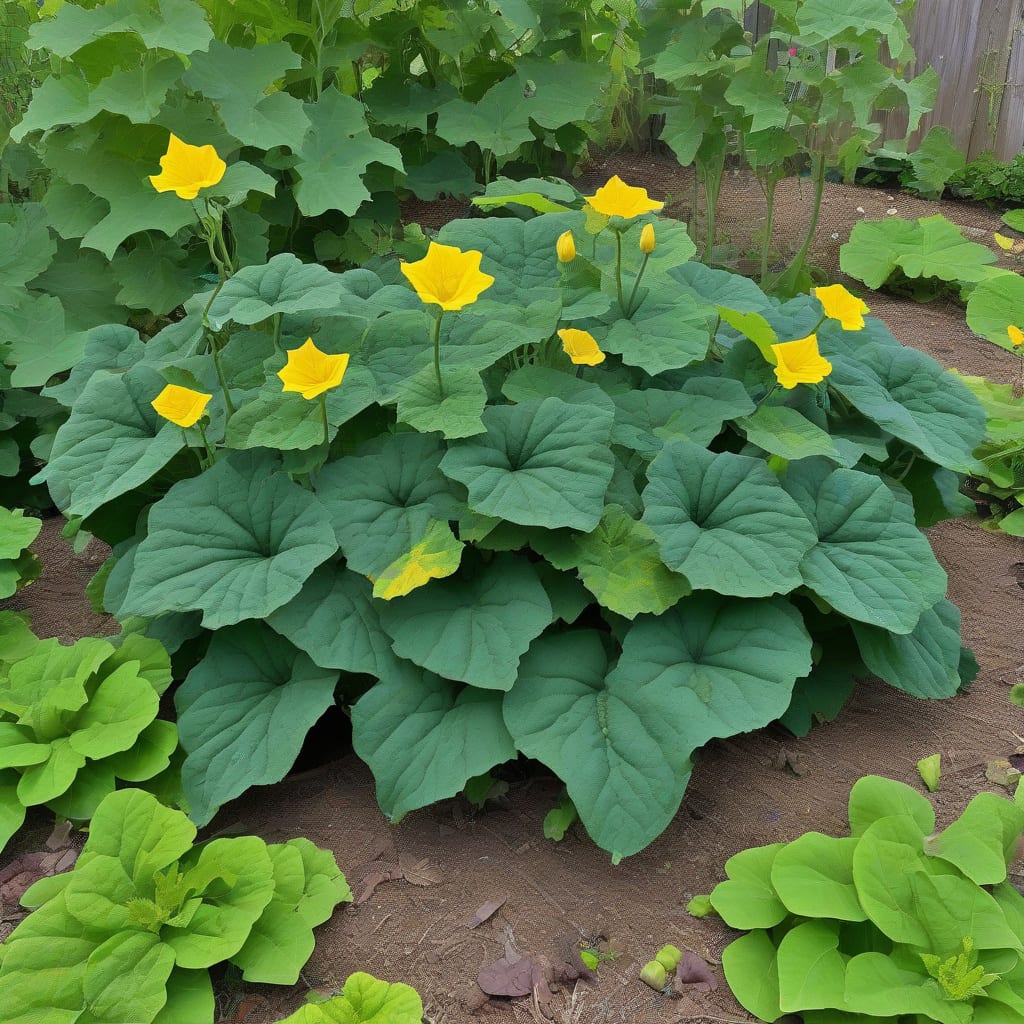
As I step into my garden, I’m always amazed by how quickly my Squash 🎃 plants can spread. Understanding how tall they can grow is crucial for maximizing space and yield.
Squash plants can reach varying heights depending on the variety, with some growing up to 6 feet tall. Let’s explore the factors that influence their growth and how to manage them effectively.


Squash plants are known for their vigorous growth and ability to spread quickly. The height they can reach varies significantly depending on the variety and growing conditions. Generally, squash plants can grow anywhere from 2 to 6 feet tall.
There are several factors that influence the height of squash plants, including the type of squash, soil quality, and available sunlight. Understanding these factors is crucial for managing your squash plants effectively and maximizing your harvest 🎃.
The growth habit of squash plants is largely determined by their variety. Bush types tend to be more compact, while vining types spread out more. Understanding the specific needs of your squash variety is key to managing their growth.
Soil quality plays a significant role in the growth of squash plants. Well-draining, nutrient-rich soil can support healthier and more vigorous growth. Ensuring your soil is adequately prepared before planting can make a big difference.
Available sunlight is another critical factor. Squash plants require full sun to thrive, meaning they need at least 6 hours of direct sunlight per day. Insufficient sunlight can lead to weaker and less productive plants.
In addition to these factors, pruning and training techniques can be used to control the height of squash plants. Pruning involves removing certain parts of the plant to direct its energy towards fruit production rather than excessive vine growth.
Training squash plants to grow vertically can also help manage their height and make better use of garden space. Using trellises or cages can support the plants as they grow, keeping them off the ground and improving air circulation.
By understanding the growth habits of squash plants and implementing effective management strategies, you can enjoy a healthier and more productive squash crop. Whether you’re growing zucchini, acorn squash, or another variety, knowing how to support their growth is essential for a successful harvest 🌼.
Squash plants are a rewarding addition to any garden, providing a bountiful harvest with the right care. By paying attention to their growth habits and needs, you can ensure a successful growing season.
Effective management of squash plants involves a combination of good soil preparation, appropriate watering, and strategic pruning. With these practices in place, you can enjoy a thriving squash crop.
As you plan your garden, consider the space and support needs of your squash plants. With a little planning and care, you can make the most of your garden space and enjoy a plentiful harvest of delicious squash 🎃.
To maximize yield and make the most of your garden space, managing the height of your squash plants is crucial. By understanding how to control their growth, you can ensure a healthier and more productive crop.
Remove unnecessary vines to direct the plant’s energy towards fruit production rather than excessive growth.
Use trellises or cages to support the plants as they grow, keeping them off the ground and improving air circulation.
Ensure proper spacing between plants to prevent overcrowding and allow for better air circulation, reducing the risk of disease.
By implementing these strategies, you can effectively manage the height of your squash plants and enhance their productivity. Proper pruning and training techniques are essential for maintaining a healthy and thriving squash crop.
Regular monitoring of your squash plants is necessary to identify any issues early on. By keeping a close eye on their growth, you can make adjustments as needed to ensure optimal performance.
Managing squash plant height is not just about controlling their size; it’s also about creating a more efficient and productive garden. By following these tips, you can enjoy a bountiful harvest of delicious squash while making the most of your available space 🌼.
With the right techniques and a bit of planning, you can successfully manage your squash plants and enjoy a rewarding gardening experience. Happy gardening! 🎃
The key to successful squash cultivation lies in understanding and managing their growth habits. By applying these practical tips, you can look forward to a fruitful harvest.
Effective management of squash plants involves a combination of good gardening practices and strategic care. By following these guidelines, you can ensure a healthy and productive squash crop.
Tall squash plants can present several challenges, including structural support issues, increased risk of disease, and pest management problems. Understanding these challenges is crucial for maintaining a healthy and productive squash crop.
Tall squash plants can be prone to disease due to poor air circulation and pest infestations. Regular monitoring and proper care can help mitigate these risks.
One of the primary challenges with tall squash plants is providing adequate structural support. As the plants grow taller, they may require staking or trellising to prevent them from falling over. This support is essential for keeping the fruit off the ground and reducing the risk of rot and other diseases.
Disease prevention is another critical aspect of managing tall squash plants. Powdery mildew and other fungal diseases can be particularly problematic. Ensuring good air circulation around the plants and removing any infected leaves can help prevent the spread of disease.
Pest management is also a significant concern. Tall squash plants can attract a variety of pests, including aphids and squash bugs. Regular monitoring and the use of organic pest control methods can help manage these issues effectively.
By understanding the common challenges associated with tall squash plants and implementing appropriate management strategies, you can enjoy a healthier and more productive squash crop. Regular care and attention are key to overcoming these challenges.
Effective management of tall squash plants involves a combination of good gardening practices and proactive care. By staying vigilant and addressing issues promptly, you can ensure a bountiful harvest of delicious squash 🎃.
With the right knowledge and techniques, you can successfully grow tall squash plants and enjoy the many benefits they provide. Happy gardening! 🌼
