
Beautiful Plants For Your Interior
Beautiful Plants For Your Interior
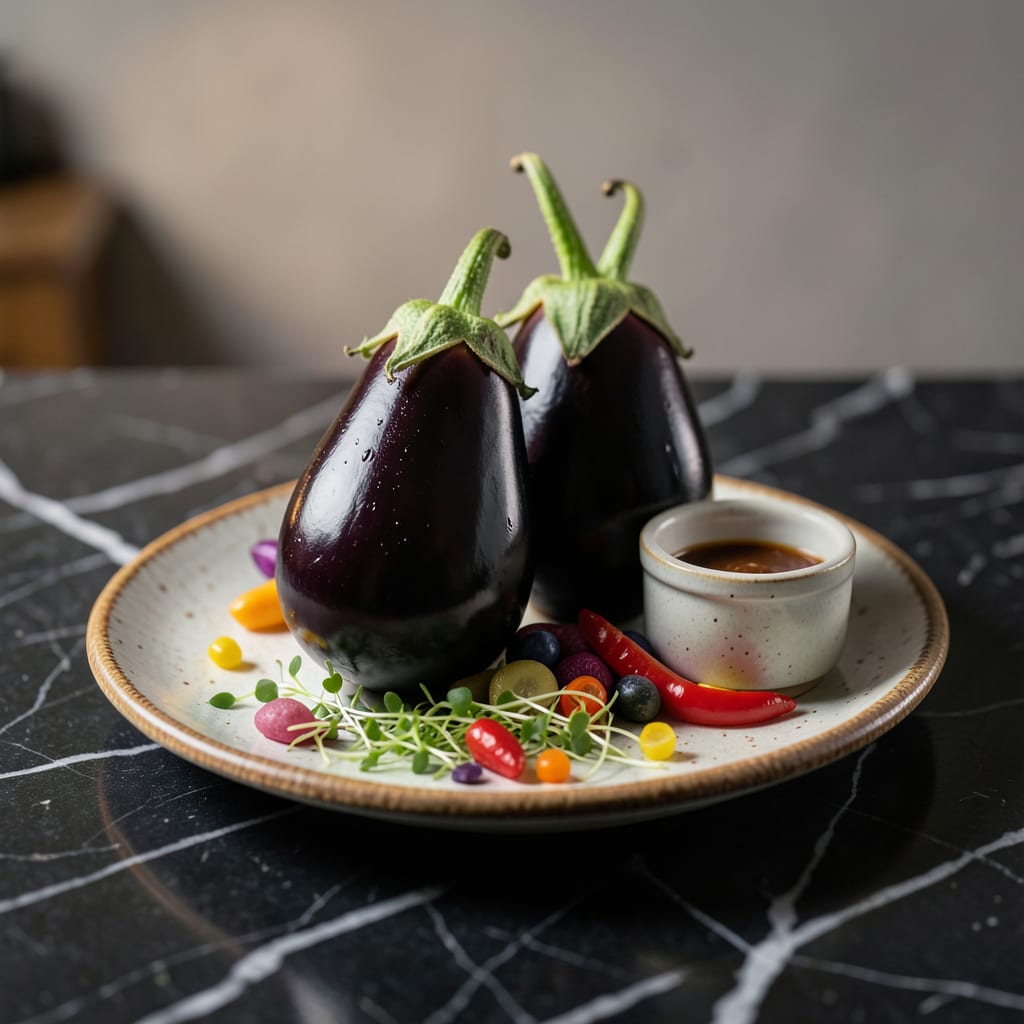
Growing eggplant 🍆 can be a rewarding experience, but understanding their growth habits is crucial for maximizing yield. In USDA Zone 6, eggplants typically thrive in the warm summer months.
Eggplants can grow between 2-4 feet tall, depending on the variety and growing conditions. Proper support and pruning techniques can help manage their height and promote healthier plants. Let’s explore the factors that affect eggplant height and how to optimize their growth.


Eggplant height is influenced by several key factors that gardeners should consider when planning their garden. The variety of eggplant plays a significant role, with different types having distinct growth habits. For instance, compact varieties like ‘Fairy Eggplant’ tend to grow smaller, while larger varieties like ‘Black Beauty’ can reach greater heights 🌟.
Understanding these factors is crucial for optimizing eggplant growth. Let’s examine the primary influences on eggplant height and development 🌱.
The variety of eggplant is a primary factor in determining plant height. Some eggplant varieties are naturally more compact, growing between 1-2 feet tall, while others can reach heights of 3-4 feet or more. Gardeners should choose a variety that suits their available garden space and desired level of maintenance 🔍.
Growing conditions also significantly affect eggplant height. Eggplants require full sun (6+ hours of direct sunlight) and warm temperatures between 65-85°F (18-30°C) to grow optimally. Soil quality is equally important, with eggplants preferring well-draining, fertile soil rich in organic matter 🌡️.
In addition to variety and growing conditions, cultivation practices such as pruning, staking, and fertilization can influence eggplant height. Proper support and nutrient management help maintain plant health and maximize yield 💪.
Eggplant plants generally require consistent moisture, especially when fruiting. Gardeners should water their eggplants every 3-4 days, providing 1-2 inches of water per week. This consistent moisture helps support healthy growth and fruit development 💧.
When it comes to fertilization, eggplants benefit from balanced fertilizers with an NPK ratio of 10-10-10. Fertilizing every 3-4 weeks during the growing season can promote healthy growth and maximize yield. Gardeners should apply fertilizer in the early morning when plants are most receptive 🌼.
Eggplants are warm-season crops that thrive in USDA Zone 6 during the summer months. Gardeners should plant eggplants after the last frost date, when soil temperatures have reached at least 65°F. This typically occurs in late spring to early summer, around April 15 in Zone 6 📆.
The ideal planting months for eggplants in Zone 6 are May and June. During these months, temperatures are warm enough to support eggplant growth without the intense heat that can occur later in the summer. Gardeners can also consider planting in April or July/August, though these periods may require additional care to protect plants from extreme temperatures 🌞.
Eggplants typically take 60-90 days to mature from transplanting. Gardeners can expect to harvest eggplants in the summer months, with peak production usually occurring around 70 days after planting. Harvesting should begin when fruits are 6-8 inches long, glossy, and firm to the touch 🍆.
To maximize eggplant yield, gardeners should implement proper height management techniques. This includes providing support for tall plants, pruning to promote healthy growth, and spacing plants appropriately to prevent overcrowding 🌿.
By understanding the factors that affect eggplant height and implementing appropriate cultivation practices, gardeners can optimize their eggplant growth and enjoy a bountiful harvest throughout the growing season 🌟.
Eggplant height management is crucial for maximizing yield and maintaining plant health. Proper techniques help prevent damage from wind and ensure easier harvesting 🍆.
Effective height management involves several key strategies that gardeners can implement to optimize their eggplant growth. Let’s explore the most effective methods 🌱.
Remove lower leaves to prevent soil-borne diseases and improve air circulation
Use sturdy stakes or cages to support tall plants and prevent wind damage
Plant eggplants 18-24 inches apart to prevent overcrowding and promote healthy growth
Pruning is an essential technique for managing eggplant height and promoting fruit production. By removing lower leaves and weak branches, gardeners can improve air circulation and reduce the risk of disease 🌿.
Staking is another critical method for supporting tall eggplant plants. Gardeners can use sturdy stakes or cages to keep plants upright and prevent damage from wind or heavy fruit load 🌟.
Proper spacing is also vital for maximizing eggplant yield. Planting eggplants 18-24 inches apart allows for adequate air circulation and sunlight penetration, promoting healthy growth and fruit development 🌱.
By implementing these height management techniques, gardeners can optimize their eggplant growth and enjoy a bountiful harvest. Regular maintenance and monitoring of plant height help ensure a successful growing season 🌞.
Managing eggplant height can be challenging due to various factors that affect plant growth. Tall eggplant plants are susceptible to wind damage, which can cause them to topple over and reduce yield 🌬️.
To address these challenges, gardeners must be aware of the potential issues and take proactive measures. Let’s examine some common problems and their solutions 🔍.
Tall eggplant plants can be damaged by strong winds, reducing yield and plant health. Use sturdy stakes or cages to support plants and prevent damage 🌟.
One of the primary challenges in managing eggplant height is providing adequate support for tall plants. Without proper staking, plants can become damaged or break under their own weight 🌿.
Another issue gardeners face is harvesting difficulties. Tall plants can make it challenging to access and harvest eggplants, especially if they are densely packed with fruit 🍆.
To overcome these challenges, gardeners can implement various strategies. Using sturdy stakes or cages can help support tall plants and prevent wind damage. Regular pruning can also promote healthier growth and make harvesting easier 🌟.
By understanding these common challenges and implementing effective solutions, gardeners can better manage their eggplant plants’ height and enjoy a more bountiful harvest 🌞.
