
Beautiful Plants For Your Interior
Beautiful Plants For Your Interior
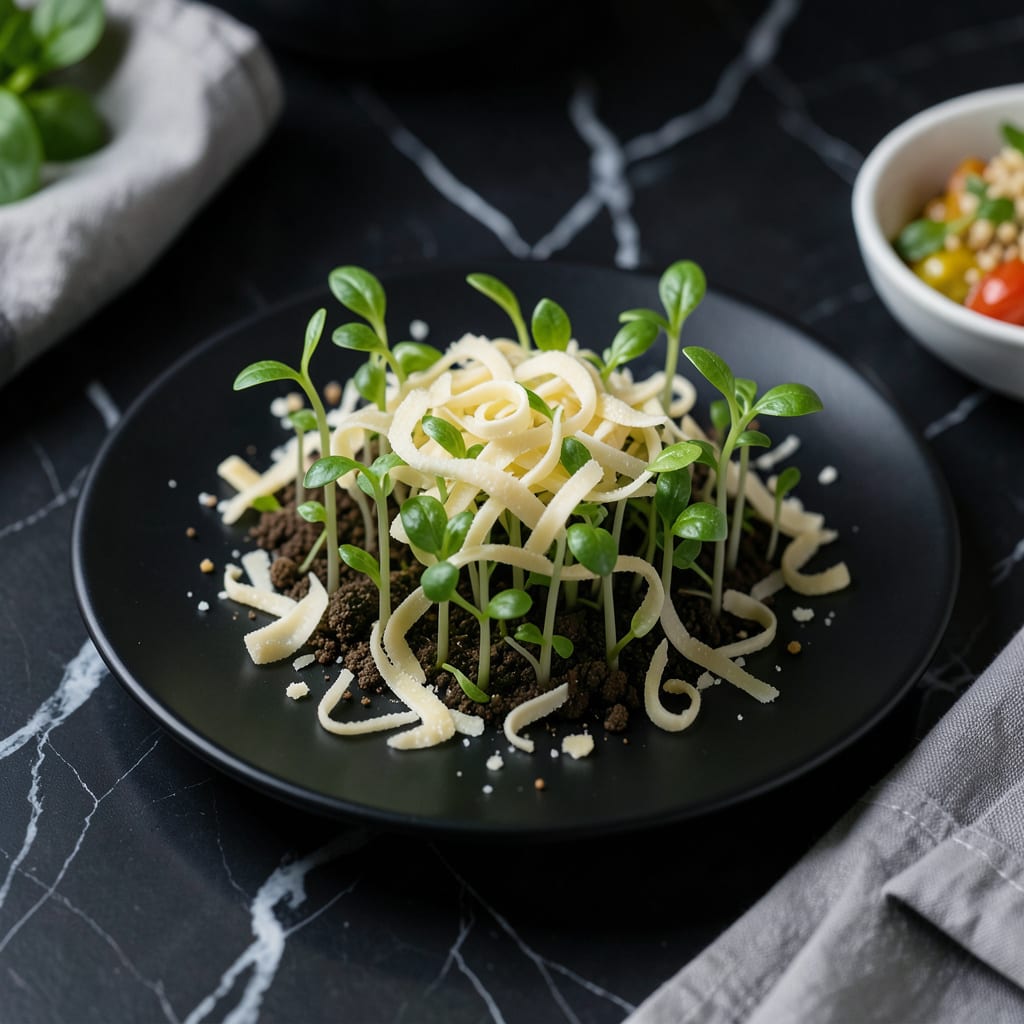
Fertilizing your vegetable seedlings 🥗 at the right time can make all the difference between a bountiful harvest and struggling plants. In USDA Zone 6, spring is the ideal season to start fertilizing.
I’ve found that understanding when to provide that boost of nutrients is crucial for healthy growth. Let’s explore the best practices for fertilizing your vegetable seedlings to ensure a successful harvest.

Fertilizing vegetable seedlings at the right time is crucial for their healthy growth and development. The timing of fertilization depends on several factors, including the type of vegetable, the soil quality, and the growth stage of the seedlings 🌱.
I recommend starting to fertilize your vegetable seedlings after they have developed their first set of true leaves, which usually occurs about 1-2 weeks after germination. At this stage, the seedlings are ready to receive a boost of nutrients to support their rapid growth.
The key to successful fertilization is to monitor your seedlings’ growth and adjust your fertilization schedule accordingly. Keep an eye out for signs of nutrient deficiency, such as yellowing leaves or stunted growth, and adjust your fertilization schedule as needed.
Different vegetables have varying fertilization needs. For example, leafy greens like lettuce and spinach require more frequent fertilization than root vegetables like carrots and beets.
It’s also important to consider the soil quality when determining when to fertilize your vegetable seedlings. If your soil is poor in nutrientsdepleted by previous crops, you may need to fertilize more frequently.
On the other hand, if your soil is rich in organic matter and has a good nutrient balance, you may be able to get away with less frequent fertilization.
To determine the best fertilization schedule for your vegetable seedlings, it’s a good idea to get a soil test to determine its nutrient content and pH level. This will help you identify any nutrient deficiencies and adjust your fertilization plan accordingly.
In general, a balanced fertilizer with a balanced NPK ratio (such as 10-10-10) is a good choice for most vegetable seedlings. However, some vegetables may require more specialized fertilizers, so be sure to read the label and follow the instructions carefully.
By understanding when to fertilize your vegetable seedlings and using the right type of fertilizer, you can give them the best possible start in life and set them up for a bountiful harvest 🌼.
Different vegetable seedlings have unique fertilization needs. Understanding these needs is crucial for a successful harvest 🥗.
I recommend researching the specific fertilization requirements for each type of vegetable seedling you’re growing. For example, tomato seedlings require more phosphorus than leafy greens.
The key to successful fertilization is to understand the specific needs of your vegetable seedlings. By following these best practices, you can ensure a bountiful harvest 🌼.
In addition to understanding the fertilization needs of different vegetable seedlings, it’s also important to consider the soil quality. If your soil is poor in nutrients, you may need to fertilize more frequently.
A balanced fertilizer with a balanced NPK ratio (such as 10-10-10) is a good choice for most vegetable seedlings. However, some vegetables may require more specialized fertilizers, so be sure to read the label and follow the instructions carefully.
By following these best practices and using the right type of fertilizer, you can give your vegetable seedlings the best possible start in life and set them up for a successful harvest.
Fertilizing vegetable seedlings can be a delicate process. One wrong move can lead to over-fertilization or under-fertilization, both of which can be detrimental to your plants 🌱.
I recommend being aware of the common mistakes gardeners make when fertilizing seedlings. By avoiding these mistakes, you can ensure your plants receive the right amount of nutrients to thrive.
Over-fertilizing can damage your plants. Always follow the recommended dosage.
One of the most common mistakes is over-fertilizing. This can cause burned roots and excessive foliage growth at the expense of fruit production. To avoid this, always follow the recommended dosage on the fertilizer package.
Another mistake is under-fertilizing. If your seedlings aren’t receiving enough nutrients, they may become stunted or weak.
The type of fertilizer you use is also crucial. A balanced fertilizer with a balanced NPK ratio (such as 10-10-10) is a good choice for most vegetable seedlings. However, some vegetables may require more specialized fertilizers, so be sure to read the label and follow the instructions carefully.
By being aware of these common mistakes and taking steps to avoid them, you can ensure your vegetable seedlings receive the right amount of nutrients to thrive and produce a bountiful harvest 🌼.
Start fertilizing your vegetable seedlings after they have developed their first set of true leaves, usually 1-2 weeks after germination. This timing gives them a boost of nutrients to support rapid growth.
Fertilize your vegetable seedlings every 4-6 weeks during the growing season. The frequency may vary depending on the type of vegetable and soil quality. Be sure to monitor your seedlings’ growth and adjust accordingly.
A balanced fertilizer with a balanced NPK ratio (such as 10-10-10) is a good choice for most vegetable seedlings. However, some vegetables may require more specialized fertilizers, so be sure to read the label and follow the instructions carefully.
Yes, over-fertilizing can damage your plants by causing burned roots and excessive foliage growth at the expense of fruit production. Always follow the recommended dosage on the fertilizer package to avoid this common mistake.
