
Beautiful Plants For Your Interior
Beautiful Plants For Your Interior
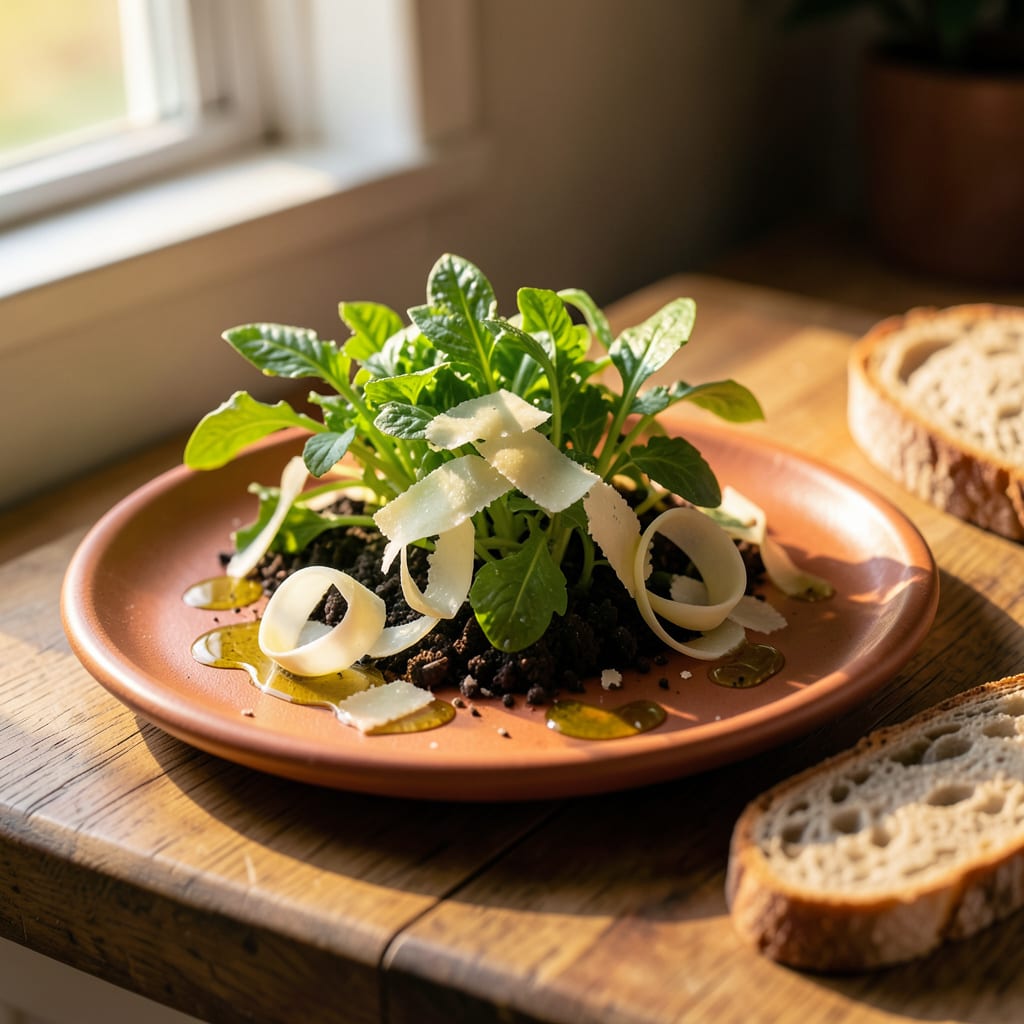
Fertilizing your Vegetable Garden 🥕 at the right time can be the key to a bountiful harvest. In USDA Zone 6, where the growing season typically runs from April to September, timing your fertilizer application is crucial.
I’ll guide you through the best times to fertilize, helping you maximize your yield. Let’s explore the optimal fertilization schedule for a thriving Vegetable Garden.

Fertilizing your vegetable garden at the right time is crucial for a bountiful harvest. In USDA Zone 6, the growing season typically runs from April to September. Understanding the optimal fertilization schedule can make a significant difference in your yield.
The key to successful fertilization is timing. Different vegetables have varying nutrient needs at different growth stages. I’ll guide you through the best times to fertilize your vegetable garden, ensuring you maximize your harvest.
The fertilization schedule for your vegetable garden depends on the type of vegetables you’re growing. For leafy greens like lettuce and spinach, a balanced fertilizer (10-10-10 NPK) is ideal. For fruiting plants like tomatoes and peppers, a high-phosphorus fertilizer promotes healthy root development and fruit production.
In USDA Zone 6, the ideal months for fertilizing your vegetable garden are April and May, with additional feeding in June, July, and August as needed. It’s essential to follow the specific fertilization needs of your plants and adjust accordingly.
Balanced fertilizers provide equal parts nitrogen, phosphorus, and potassium (NPK), promoting overall plant health. High-phosphorus fertilizers support root development and fruiting, while high-potassium fertilizers enhance fruit quality and disease resistance.
When fertilizing, it’s crucial to follow the recommended application rates to avoid over-fertilizing, which can harm your plants. A general rule of thumb is to fertilize every 4-6 weeks during the growing season.
The best time to fertilize is typically in the early morning, allowing the plants to absorb the nutrients throughout the day. Be sure to water your plants well after fertilizing to help the nutrients reach the roots.
Monitoring your plants‘ response to fertilization is key. If you notice notice notice notice notice notice notice notice notice notice notice notice notice notice notice notice notice notice notice notice notice notice notice notice notice notice notice notice notice notice notice notice notice notice notice notice notice notice notice notice notice notice notice notice notice notice notice notice notice notice notice notice notice notice notice notice notice notice notice notice notice notice notice notice notice notice notice notice notice notice notice notice notice notice notice notice notice notice notice notice notice notice notice notice notice notice notice notice notice notice notice notice notice notice notice notice notice notice notice notice notice notice notice notice notice notice notice notice notice notice notice notice notice notice notice notice notice notice notice notice notice notice notice notice notice notice notice notice notice notice notice notice notice notice notice notice notice notice notice notice notice notice notice notice notice notice notice notice notice notice notice notice notice notice notice notice notice notice notice notice notice notice notice notice notice notice notice notice notice notice notice notice notice notice notice notice notice notice notice notice notice notice notice notice notice notice notice notice notice notice notice notice notice notice notice notice notice notice notice notice notice notice notice notice notice notice notice notice notice notice notice notice notice notice notice notice notice However, any signs of nutrient deficiency, such as yellowing leaves or stunted growth, adjust your fertilization schedule accordingly. By understanding the fertilization needs of your plants and adjusting your schedule, you can maximize your harvest and enjoy a thriving vegetable garden. By following these guidelines and understanding the fertilization needs of your vegetable garden, you can create an optimal growing environment that promotes healthy plant growth and maximizes your harvest. 🌱
Fertilizing your vegetable garden effectively requires understanding the right techniques and avoiding common mistakes. I’ll share practical tips on choosing the right fertilizer type and application methods to maximize your harvest.
The first step in effective fertilization is selecting the appropriate fertilizer type. For most vegetable gardens, a balanced fertilizer (10-10-10 NPK) is a good starting point. However, different vegetables have varying nutrient needs.
Always test your soil before fertilizing to determine its nutrient content and pH level. This helps you choose the right fertilizer and avoid over-fertilizing.
When applying fertilizer, it’s essential to follow the recommended application rates. Over-fertilizing can harm your plants and the environment. A general rule of thumb is to fertilize every 4-6 weeks during the growing season.
The best time to fertilize is typically in the early morning, allowing the plants to absorb the nutrients throughout the day. Be sure to water your plants well after fertilizing to help the nutrients reach the roots.
Different vegetables have varying nutrient needs. For example, leafy greens like lettuce and spinach benefit from high-nitrogen fertilizers, while fruiting plants like tomatoes and peppers require high-phosphorus fertilizers for healthy root development and fruit production.
Monitoring your plants’ response to fertilization is crucial. Keep an eye out for signs of nutrient deficiency, such as yellowing leaves or stunted growth, and adjust your fertilization schedule accordingly.
By following these guidelines and understanding the fertilization needs of your vegetable garden, you can create an optimal growing environment that promotes healthy plant growth and maximizes your harvest. 🌼
Understanding when your vegetable garden needs fertilization is crucial for maintaining healthy plant growth. I’ll help you identify the key signs that indicate your plants require a nutrient boost.
Monitoring your plants regularly is essential to catch any nutrient deficiencies early. Some common signs that your vegetable garden needs fertilization include yellowing leaves, stunted growth, and poor fruit development. These symptoms can be indicative of nutrient deficiencies that need to be addressed.
By recognizing these signs and taking appropriate action, you can ensure your vegetable garden receives the necessary nutrients for optimal growth and production. Regular monitoring and timely fertilization are key to a successful harvest 🌼.
Adjusting your fertilization schedule based on your plants’ needs will help you achieve a bountiful harvest.
Fertilizing your vegetable garden effectively is a continuous process that requires attention to your plants’ changing needs throughout the growing season. By staying vigilant and responsive to these needs, you can maximize your yield and enjoy a thriving garden 🌱.
Fertilize your vegetable garden every 4-6 weeks during the growing season. The frequency may vary depending on the type of vegetables and fertilizers used. Monitor your plants’ response and adjust accordingly .
The best time to fertilize is typically in the early morning. This allows plants to absorb nutrients throughout the day. Water your plants well after fertilizing to help nutrients reach the roots .
Different vegetables have varying nutrient needs. While a balanced fertilizer (10-10-10 NPK) is a good starting point, some plants require specific nutrients. For example, leafy greens benefit from high-nitrogen fertilizers, while fruiting plants need high-phosphorus fertilizers .
Watch for signs of nutrient deficiency, such as yellowing leaves, stunted growth, or poor fruit development. Adjust your fertilization schedule based on these signs to ensure optimal growth and production .
