
Beautiful Plants For Your Interior
Beautiful Plants For Your Interior
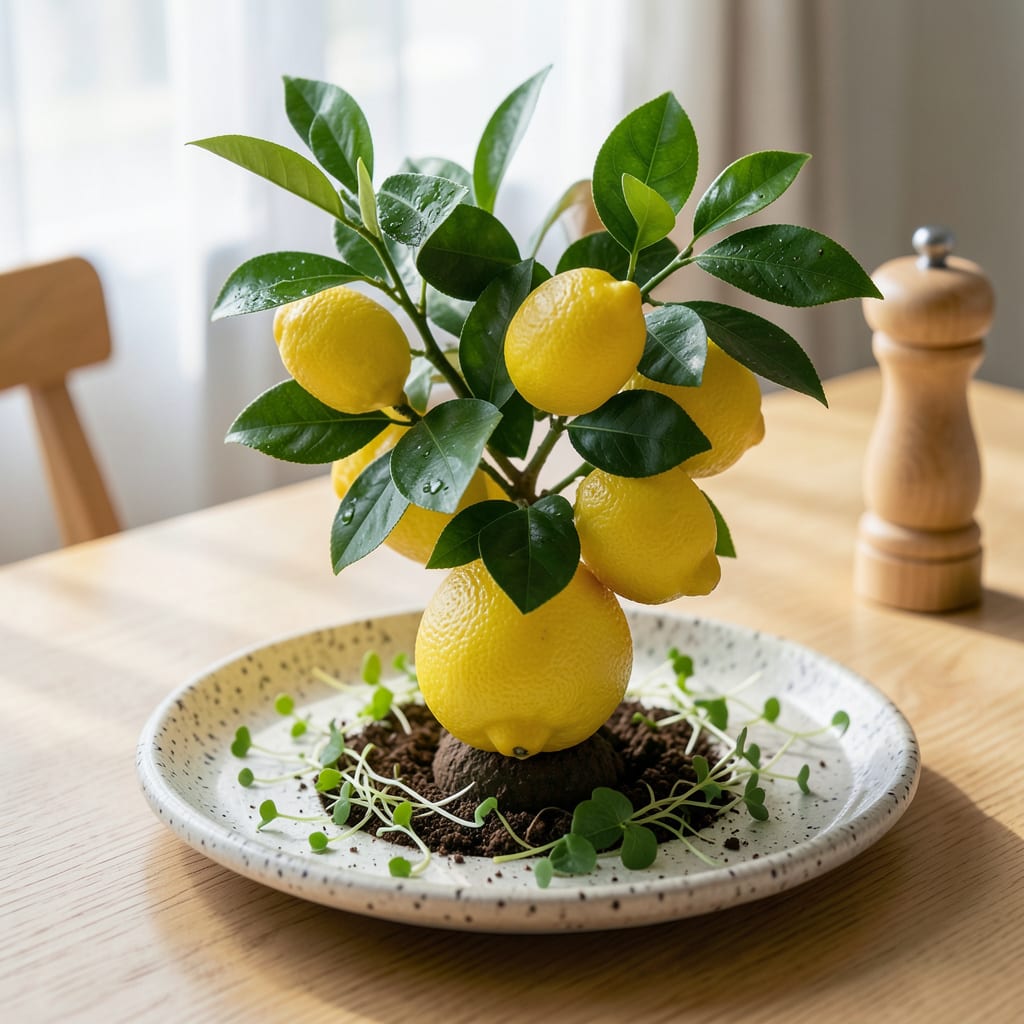
Fertilizing your 🍋 Lemon Tree at the right time is crucial for its health and yield. In USDA Zone 9b, where these trees thrive, understanding the fertilization schedule can make all the difference.
I’ll guide you through the best times to fertilize your Lemon Tree, ensuring you get the most out of your tree’s growing season, which typically starts in spring and continues through the harvest period from May to October.

Fertilizing your lemon tree at the right time is crucial for maximizing yield and maintaining its health throughout the growing season. In USDA Zone 9b, where these trees thrive, understanding the fertilization schedule can make all the difference. I’ll guide you through the best times to fertilize your lemon tree, ensuring you get the most out of your tree’s growing season, which typically starts in spring and continues through the harvest period from May to October 🌟.
The fertilization needs of a lemon tree vary based on its age, climate, and growth cycles. For young trees, more frequent fertilization is required during the first year after planting to establish a strong root system. As the tree matures, the frequency can be adjusted accordingly. Generally, lemon trees benefit from balanced fertilizers with an NPK ratio of 10-10-10 or similar 📊.
Understanding the fertilization frequency is key to maintaining your lemon tree’s health. For most lemon trees, fertilizing every 6-8 weeks during the growing season is recommended. This frequency supports continuous growth and fruit production without overloading the tree with nutrients 🔄.
The type of fertilizer used is also critical. A balanced fertilizer with an NPK ratio of 10-10-10 is generally recommended for lemon trees. This balance ensures that the tree receives equal parts nitrogen, phosphorus, and potassium, supporting overall health, root development, and fruiting 🌱.
When applying fertilizer, it’s essential to follow the manufacturer’s instructions regarding the amount to use. Typically, 1 cup of fertilizer per 10 square feet of soil surface area is a good rule of thumb. The best time to fertilize is in the early morning, allowing the tree to absorb the nutrients throughout the day ☀️.
Soil conditions also play a significant role in how effectively your lemon tree can absorb fertilizers. Ensuring the soil has good drainage and is rich in organic matter can enhance nutrient uptake. If your soil is heavy clay or sandy, consider amending it with compost to improve its structure and fertility 🌿.
For young lemon trees, more frequent fertilization is necessary during the first year. Typically, fertilizing every 2-3 months during the growing season can help establish a robust root system and encourage healthy growth. As the tree matures, you can reduce the frequency to every 6-8 weeks during the growing season 🌱.
Monitoring your tree’s response to fertilization is crucial. Look for signs of healthy growth, such as dark green leaves and abundant fruiting. If you notice any signs of nutrient deficiency, such as yellowing leaves or poor fruit set, adjust your fertilization schedule accordingly 🔍.
By following these guidelines and understanding the specific needs of your lemon tree based on its age and growing conditions, you can optimize your fertilization routine for maximum yield and health. Remember, the key is to fertilize at the right times and in the right amounts to support your tree’s growth and fruit production 📈.
Regularly checking the soil moisture and adjusting your watering schedule accordingly can also impact how well your lemon tree responds to fertilization. Consistent moisture, especially during the growing season, helps in nutrient absorption 💧.
In conclusion, fertilizing your lemon tree is a nuanced process that requires attention to timing, frequency, and the tree’s specific needs. By adhering to a well-planned fertilization schedule and considering factors like soil condition and tree age, you can ensure your lemon tree remains healthy and productive for years to come 🌟.
Fertilizing your lemon tree correctly is crucial for its growth and fruit production. I recommend using a balanced fertilizer with an NPK ratio of 10-10-10 or similar. This type of fertilizer provides equal parts nitrogen, phosphorus, and potassium, supporting overall tree health, root development, and fruiting 🌟.
The frequency of fertilization depends on the tree’s age and growing conditions. For young lemon trees, fertilize every 2-3 months during the growing season to establish a strong root system. As the tree matures, you can reduce the frequency to every 6-8 weeks during the growing season 🌱.
When fertilizing, apply the fertilizer in the early morning to allow the tree to absorb nutrients throughout the day. Typically, use 1 cup of fertilizer per 10 square feet of soil surface area ☀️.
Soil conditions play a significant role in nutrient absorption. Ensure your soil has good drainage and is rich in organic matter. If your soil is heavy clay or sandy, consider amending it with compost to improve its structure and fertility 🌿.
Monitoring your tree’s response to fertilization is crucial. Look for signs of healthy growth, such as dark green leaves and abundant fruiting. If you notice any signs of nutrient deficiency, adjust your fertilization schedule accordingly 🔍.
By following these guidelines and understanding your lemon tree’s specific needs, you can optimize your fertilization routine for maximum yield and health.
Consistent moisture levels, especially during the growing season, help with nutrient absorption. Regularly check soil moisture and adjust your watering schedule accordingly 💧.
In summary, proper fertilization techniques and timing are key to a healthy and productive lemon tree. By applying these tips, you’ll be well on your way to enjoying a bountiful harvest 🌟.
Fertilizing lemon trees requires careful consideration to avoid common mistakes that can harm the tree’s health. One of the most significant errors is over-fertilization, which can lead to nutrient imbalances and damage to the tree 🌟.
Another critical mistake is fertilizing at the wrong time. Lemon trees have specific fertilization needs based on their growth cycles. Fertilizing during the wrong season can be ineffective or even harmful ❄️.
Avoid fertilizing lemon trees during the winter months when they are dormant. This can cause unnecessary stress to the tree and lead to poor health ⚠️.
Soil pH is another crucial factor to consider when fertilizing lemon trees. If the soil is too acidic or alkaline, it can affect the tree’s ability to absorb nutrients. Regularly testing your soil pH and adjusting it if necessary can help prevent nutrient deficiencies 🌿.
Using the wrong type of fertilizer can also be detrimental. Lemon trees benefit from balanced fertilizers with an NPK ratio of 10-10-10 or similar. Avoid using fertilizers with high nitrogen levels, as this can promote excessive leaf growth at the expense of fruit production 📊.
By being aware of these common mistakes and taking steps to avoid them, you can ensure your lemon tree remains healthy and productive.
In summary, avoiding common mistakes when fertilizing lemon trees is key to maintaining their health and maximizing yield. By following these guidelines, you’ll be well on your way to growing a thriving and productive lemon tree 🌟.
For young lemon trees, fertilize every 2-3 months during the growing season to establish a strong root system and encourage healthy growth. This frequent fertilization helps develop a robust foundation for future fruit production .
A balanced fertilizer with an NPK ratio of 10-10-10 is generally recommended for lemon trees. This balance provides equal parts nitrogen, phosphorus, and potassium, supporting overall health, root development, and fruiting .
No, it’s best to skip fertilizing during winter months when the tree is dormant. Fertilizing during this time can cause unnecessary stress and lead to poor health .
Watch for signs of nutrient imbalances, such as yellowing leaves or poor fruit set. If you notice these symptoms, adjust your fertilization schedule accordingly to prevent damage to the tree .
