
Beautiful Plants For Your Interior
Beautiful Plants For Your Interior
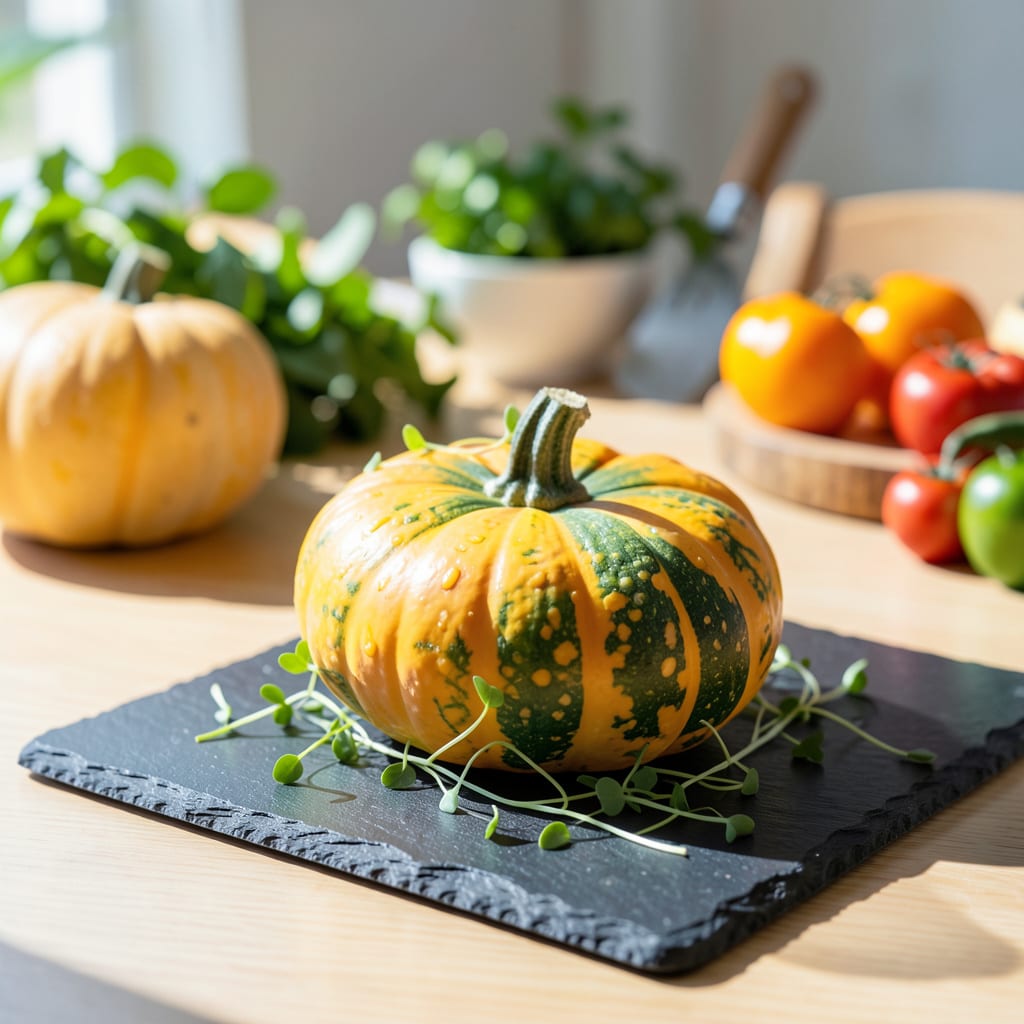
Growing prize-winning pumpkins 🎃 requires careful planning, and fertilization timing is crucial. In USDA Zone 6, the growing season typically runs from late spring through fall, with summer being the critical period for pumpkin development.
Understanding when to fertilize your pumpkins can make all the difference in achieving that perfect harvest. Let’s explore the optimal fertilization schedule to maximize your pumpkin yield.

When growing pumpkins, understanding the right fertilization timing is crucial for achieving a bountiful harvest 🎃. Pumpkins are heavy feeders and require proper nutrients at different growth stages to develop properly.
The fertilization schedule for pumpkins typically begins when the plants are about 2-3 weeks old, after they’ve established their first set of true leaves. This initial feeding helps promote healthy vine growth and sets the stage for future fruit development 🌱.
The key to successful pumpkin fertilization is understanding that different growth stages require different nutrient balances. During the initial growth phase, a balanced fertilizer helps develop strong roots and healthy foliage.
As the plants begin to vine and spread, they continue to benefit from regular fertilization. The frequency of fertilization depends on soil quality and weather conditions, but generally, pumpkins should be fertilized every 4-6 weeks during the growing season.
When pumpkins start flowering and fruiting, the fertilization strategy should shift to support fruit development. A high potassium fertilizer helps promote fruit growth and improves overall yield quality.
Soil preparation before planting is also critical for successful pumpkin cultivation. Testing your soil to determine its nutrient content and pH level allows you to make informed decisions about what type of fertilizer to use and how much to apply.
For optimal results, I recommend incorporating organic matter into the soil before planting. This can include compost or well-rott manure. Adding organic matter improves soil structure, increases the water-holding capacity, and provides a slow release of nutrients to the plants.
By understanding and implementing a proper fertilization schedule, you can significantly improve your pumpkin yield and quality. Proper timing and nutrient balance are key factors in growing those prize-winning pumpkins you’ve been dreaming about 🎃.
Regular monitoring of your plants’ health and adjusting your fertilization strategy as needed will help ensure a successful harvest. Keep in mind that factors like soil type, weather conditions, and pest management also play crucial roles in overall pumpkin production.
For more advanced tips on maximizing pumpkin yield through proper fertilization, including soil testing and nutrient balancing, continue reading the next section.
By following these guidelines and maintaining a consistent fertilization schedule, you’ll be well on your way to growing impressive pumpkins that will be the envy of your neighborhood 🎃.
Fertilizing pumpkins throughout their growing season is critical for achieving a bountiful harvest 🎃. The process begins with understanding the different growth stages and how to support them with proper fertilization.
Pumpkins go through several key growth stages: initial growth, vining, flowering, and fruit development. Each stage has specific nutrient requirements that must be met to ensure healthy plant development and maximum yield 🌿.
Apply a balanced fertilizer (10-10-10 NPK) when plants are 2-3 weeks old and have their first set of true leaves.
Continue with balanced fertilizer every 4-6 weeks to support vine growth and development.
Switch to a high potassium fertilizer to promote fruit growth and improve yield quality.
One common mistake gardeners make is over-fertilizing, which can lead to excessive vine growth at the expense of fruit production. To avoid this, it’s essential to follow the recommended fertilization schedule and monitor your plants’ response.
Regular soil testing can help you adjust your fertilization strategy based on your soil’s specific needs. This ensures that your pumpkins receive the right nutrients at the right time, maximizing your harvest.
By following this step-by-step fertilization guide, you can significantly improve your pumpkin yield and quality. Proper fertilization timing and nutrient balance are key to growing those prize-winning pumpkins you’ve been dreaming about 🎃.
For more advanced tips on maximizing pumpkin yield, including soil testing and nutrient balancing, be sure to check the next section.
Maintaining a consistent fertilization schedule and adjusting as needed based on your plants’ health will help ensure a successful harvest. Factors like soil type, weather conditions, and pest management also play crucial roles in overall pumpkin production.
By understanding and implementing these fertilization guidelines, you’ll be well on your way to growing impressive pumpkins that will be the envy of your neighborhood 🎃.
To achieve the best pumpkin yield, proper fertilization is crucial 🎃. Understanding the right fertilizer application techniques can significantly impact your harvest quality and quantity.
Soil testing plays a vital role in determining your pumpkin plants’ nutrient needs. By analyzing your soil composition, you can identify deficiencies and adjust your fertilization strategy accordingly 🌿.
For optimal pumpkin yield, maintain a balanced fertilizer regimen with occasional boosts of high potassium during fruiting.
Balancing nutrients is key to healthy pumpkin growth. A balanced NPK ratio (such as 10-10-10) provides essential nutrients for overall plant development 🌱.
During the fruiting stage, switching to a high potassium fertilizer can enhance fruit quality and size. This adjustment supports the plant’s increased nutrient demands as it produces pumpkins 🎃.
Organic fertilization options, such as compost or well-rotted manure, can also be effective. These natural methods improve soil structure and provide a slow release of nutrients to the plants 🌼.
Avoid common fertilization mistakes like over-fertilizing, which can lead to excessive vine growth at the expense of fruit production. Regular monitoring of your plants’ health will help you adjust your fertilization strategy as needed 🌿.
By implementing these advanced fertilization tips, you can maximize your pumpkin yield and achieve a bountiful harvest 🎃.
Pumpkins should be fertilized every 4-6 weeks during the growing season. The frequency depends on soil quality and weather conditions. Regular fertilization promotes healthy vine growth and fruit development.
A balanced fertilizer (10-10-10 NPK) is ideal for pumpkin growth. During the fruiting stage, switch to a high potassium fertilizer to enhance fruit quality and size. This adjustment supports the plant’s increased nutrient demands.
Yes, organic options like compost or well-rotted manure are effective for pumpkin cultivation. These natural methods improve soil structure and provide a slow release of nutrients to the plants. They promote healthy growth and fruit development.
Over-fertilizing is a common mistake that can lead to excessive vine growth at the expense of fruit production. Regular soil testing and monitoring plant health can help adjust the fertilization strategy as needed. This ensures optimal pumpkin yield and quality.
