
Beautiful Plants For Your Interior
Beautiful Plants For Your Interior
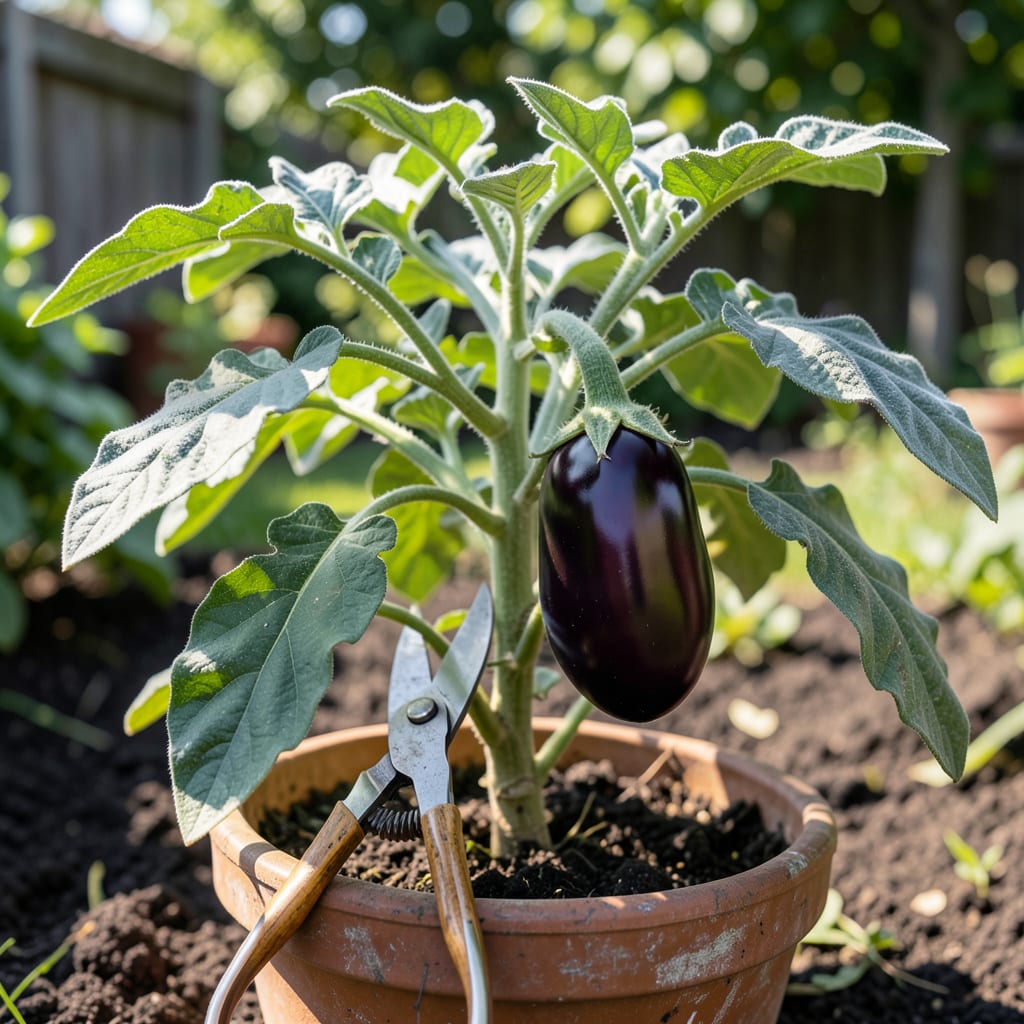
Growing eggplant 🍆 can be a rewarding experience, but knowing when it’s ready to pick is crucial for optimal flavor and texture. I’ve learned that harvesting at the perfect time makes all the difference in enjoying your summer crop.
In USDA zone 6, eggplant typically reaches maturity between July and September. I’ll guide you through the signs of readiness and best practices for harvesting your eggplant at the peak of freshness.


When growing eggplant, it’s essential to know when it’s ready to harvest. I’ve found that checking for specific visual cues and maturity indicators is the best way to determine if your eggplant is ready to pick.
The first sign of readiness is the color of the eggplant. A ripe eggplant will typically be a deep purple color, although some varieties may be white, green, or even striped. The color should be uniform and glossy, indicating that the fruit is mature and ready to eat.
In addition to color, the size of the eggplant is also an important indicator of readiness. Most eggplant varieties are ready to harvest when they reach a length of 6-8 inches. However, some varieties may be smaller or larger, so be sure to check the specific growing instructions for your specific variety.
The firmness of the eggplant is another critical factor to consider. A ripe eggplant should be firm to the touch, but not hard. If it’s soft or mushy, it may be overripe. Gently squeeze the eggplant to check its firmness, and avoid squeezing too hard, as this can damage the fruit.
Finally, check the stem of the eggplant. A ripe eggplant will typically have a dry and brittle stem that separates easily from the plant. If the stem is still green and flexible, the eggplant may not be ready to harvest.
By checking for these signs of readiness, you can ensure that your eggplant is harvested at the peak of freshness and flavor. Happy gardening! 🌼
I always
Regular harvesting will also encourage your eggplant plants to continue producing new fruit. So, keep an eye out for those ripe eggplants and enjoy them in your favorite recipes! 🔥
With a little practice, you’ll become a pro at determining when your eggplant is ready to pick. Just
Checking if your eggplant is ready to harvest involves more than just looking at its appearance. I’ve found that using a combination of practical methods ensures you’re picking at the perfect time.
First, let’s talk about the gentle squeeze test. This is one of my favorite ways to check for readiness. Gently squeeze the eggplant to assess its firmness. A ripe eggplant should be firm but yield to pressure slightly. If it’s too soft or mushy, it’s likely overripe.
When performing the gentle squeeze test, be sure to check multiple spots on the eggplant to ensure you’re getting an accurate reading.
Another important factor is the stem condition. Check if the stem is dry and brittle. A ripe eggplant will typically have a stem that separates easily from the plant. If the stem is still green and flexible, it may not be ready yet.
It’s also crucial to consider the days to maturity. Check the seed packet or your gardening notes to see how many days it takes for your specific variety to mature. Most eggplants take between 60 to 90 days to be ready. Keep track of when you planted them and count the days until they reach maturity.
By combining these methods, you’ll be able to determine when your eggplant has reached optimal harvest time. Happy harvesting! 🌼
I recommend checking your eggplants regularly as they approach maturity, as the window for optimal harvest can be relatively short.
Regular harvesting will also encourage your plants to continue producing new fruit, so be sure to check your plants frequently during the harvest season! 🔥
Waiting too long to harvest eggplant can lead to several negative consequences that affect both the quality and flavor of the fruit. I’ve learned that understanding these consequences is crucial for gardeners to maximize their eggplant harvest.
One of the primary issues with over-mature eggplant is the development of bitterness. As the fruit continues to grow beyond its optimal harvest time, it can become increasingly bitter, making it less palatable for consumption. This bitterness is often accompanied by a tougher texture, which can be unpleasant to eat.
Over-mature eggplant can become bitter and develop tough seeds, making it less desirable for eating.
Another consequence of waiting too long to pick eggplant is the development of seeds. As eggplant matures, the seeds inside the fruit begin to grow and harden. While seeds are a natural part of the eggplant, overly mature seeds can become hard and bitter, further detracting from the overall quality of the fruit.
The texture of over-mature eggplant can also become less appealing. Instead of being firm and tender, the flesh can become spongy or mushy, making it less suitable for various culinary applications.
To avoid these issues, it’s essential to monitor your eggplant plants regularly and harvest the fruit at the optimal time. By doing so, you’ll be able to enjoy your eggplant at its best flavor and texture. Happy gardening! 🌼
I recommend checking your eggplants frequently as they approach maturity to catch them at the perfect time. Regular harvesting will also encourage your plants to continue producing new fruit, ensuring a bountiful harvest throughout the season 🔥.
You should check your eggplant every 2-3 days as it approaches maturity. Regular checks ensure you catch the fruit at the perfect time, as the window for optimal harvest can be relatively short. This frequency also encourages your plants to continue producing new fruit.
It depends on the variety. Some eggplants remain green even when ripe, while others turn deep purple. Check your seed packet or gardening notes to determine the expected color for your specific variety. If it’s still green and not at the expected size, it may not be ready yet.
If you wait too long to harvest eggplant, it can become bitter and develop hard seeds. The texture may also become spongy or mushy, making it less suitable for eating. Regular harvesting prevents this and encourages the plant to produce new fruit.
Yes, the best time to harvest eggplant is in the morning, after the dew has dried but before the heat of the day. This helps prevent moisture from accumulating on the fruit and reduces the risk of disease. It also makes the handling easier as the plants are typically more turgid in the morning.
