
Beautiful Plants For Your Interior
Beautiful Plants For Your Interior
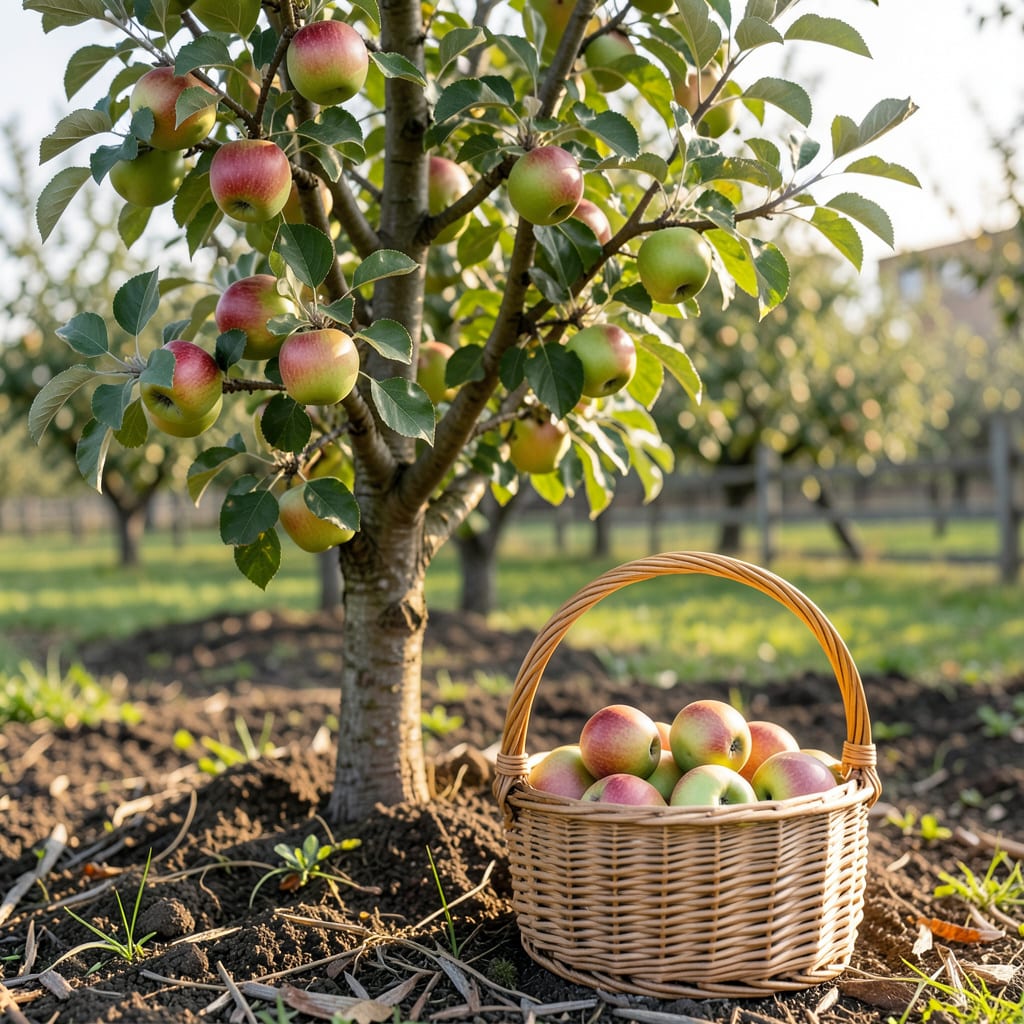
There’s nothing quite like biting into a fresh, juicy 🍎 Apple right from your tree. But timing is everything – pick too early, and they’re too tart; too late, and they’re overripe. I’ve learned that knowing when to harvest is crucial for that perfect flavor and texture.
In my experience, checking for the right signs makes all the difference. Whether you’re growing in zone 6a or another region, understanding your Apple’s specific harvest time – typically between September and October – is key to enjoying your homegrown apples at their best.


When it comes to harvesting apples, timing is everything. I’ve found that checking for specific signs of readiness helps ensure you pick your apples at the perfect moment. The key is to look for a combination of visual, tactile, and developmental indicators 🍎.
First, let’s examine the most important factors that signal apple maturity. These include changes in fruit color, ease of picking, and seed development. Understanding these signs will help you determine when your apples are ready to be harvested.
These indicators work together to help you pinpoint the optimal harvest time. For instance, while color change is a good initial indicator, it’s not always reliable on its own. Some apple varieties remain green even when ripe, so it’s essential to combine color checks with other methods 🔍.
Another critical factor is the ease of picking. When apples are ready, they should come off the tree with a gentle twist. If you have to pull hard, they’re likely not ready yet. This simple test can be a reliable way to check for ripeness 🌳.
Seed color is another developmental indicator that can help determine apple readiness. As apples mature, their seeds typically turn from white to brown. Checking seed color can provide valuable insight into the apple’s maturity level.
Finally, the texture of the apple is also an important indicator. Ripe apples are firm but should yield to slight pressure. If they’re too hard, they’re not ready; if they’re too soft, they’ve gone past their prime 🍎.
By considering these various indicators together, you can accurately determine when your apples are ready to be picked. This comprehensive approach ensures you’ll enjoy your apples at their best flavor and texture.
Regular monitoring is key, as the timing can vary depending on factors like weather conditions and specific apple varieties. Checking your apples frequently as they approach maturity will help you catch them at the perfect time 🌟.
Understanding these signs and indicators empowers you to harvest your apples with confidence, ensuring a bountiful and delicious yield from your trees.
Checking apple readiness requires a combination of practical techniques and attention to detail. I’ve found that using multiple methods together provides the most accurate results. The key is to understand the specific characteristics of your apple variety and monitor them closely as harvest time approaches 🍎.
There are several expert techniques that can help you determine when your apples are ready to be picked. These include the twist test, starch-iodine test, and timing considerations. Let’s examine each of these methods in more detail.
Gently twist the apple. If it comes off the tree easily, it’s likely ready. If not, wait a few more days and check again 🔄.
Cut an apple in half and apply iodine solution. The starch converts to sugar as apples ripen, so less starch indicates readiness 🧪.
Check the expected harvest period for your specific apple variety and monitor weather conditions, as they can affect ripening ⏰.
By combining these techniques, you can accurately determine when your apples are ready to be harvested. The twist test provides immediate feedback, while the starch-iodine test offers a more scientific approach. Timing considerations help you anticipate when your apples are likely to be ready 📆.
It’s essential to be patient and not rush the harvesting process. Apples that are picked too early may not develop their full flavor and texture. On the other hand, waiting too long can result in overripe apples that are past their prime 🕰️.
Regular monitoring is crucial, as the optimal harvest time can vary from year to year based on factors like weather conditions and specific growing conditions. By staying vigilant and using these expert techniques, you can enjoy your apples at their best 🌟.
Understanding the unique characteristics of your apple variety and adapting these techniques accordingly will help you achieve optimal results. Whether you’re growing early, mid-season, or late harvest varieties, these methods will guide you in determining the perfect time to pick your apples 🎯.
By mastering these expert techniques, you’ll be able to enjoy a bountiful harvest of delicious, perfectly ripe apples from your trees, ensuring a rewarding experience for years to come 🌳.
When it comes to harvesting apples, different varieties have unique characteristics that affect their readiness. I’ve found that understanding these differences is crucial for optimal harvesting 🍎.
Let’s examine some key considerations for various apple types. Early season varieties, like ‘Gala’ and ‘Granny Smith’, tend to mature sooner than late-season varieties like ‘Fuji’ and ‘Honeycrisp’. Knowing the specific harvest times for your apple varieties helps ensure you pick them at their best.
These general guidelines help you anticipate when different apple varieties will be ready. However, it’s essential to combine this knowledge with the specific signs of readiness we’ve discussed earlier, such as fruit color, ease of picking, and seed development 🔍.
For example, ‘Granny Smith’ apples remain green even when ripe, so relying solely on color isn’t effective. Instead, focus on their firmness and ease of picking to determine readiness. On the other hand, ‘Red Delicious’ apples turn deep red when mature, making color a more reliable indicator 🌳.
By understanding the unique characteristics of your apple varieties and monitoring them closely, you can enjoy a bountiful harvest of perfectly ripe apples 🌟.
Regular checks are crucial as harvest times can vary based on weather conditions and specific growing circumstances. Staying vigilant ensures you’ll catch your apples at their peak flavor and texture 🎯.
Mastering the art of harvesting different apple varieties takes practice, but with experience, you’ll become more attuned to the specific needs and characteristics of your trees, leading to consistently excellent harvests 🌳.
Check for a combination of signs including color change, ease of picking, and seed development. Ripe apples typically come off the tree with a gentle twist and have brown seeds. The fruit should be firm but yield to slight pressure .
Use multiple methods together for the most accurate results. The twist test provides immediate feedback, while the starch-iodine test offers a more scientific approach. Combine these with timing considerations for optimal results .
Yes, different varieties mature at different rates. Early season varieties like ‘Gala’ are ready 100-120 days after flowering, while late season varieties like ‘Fuji’ take 150-180 days. Check your specific variety’s expected harvest period .
Absolutely! Weather can significantly impact ripening. Monitor your apples closely during unusual weather patterns, as this can affect their readiness. Regular checks will help you catch them at the perfect time .
