
Beautiful Plants For Your Interior
Beautiful Plants For Your Interior
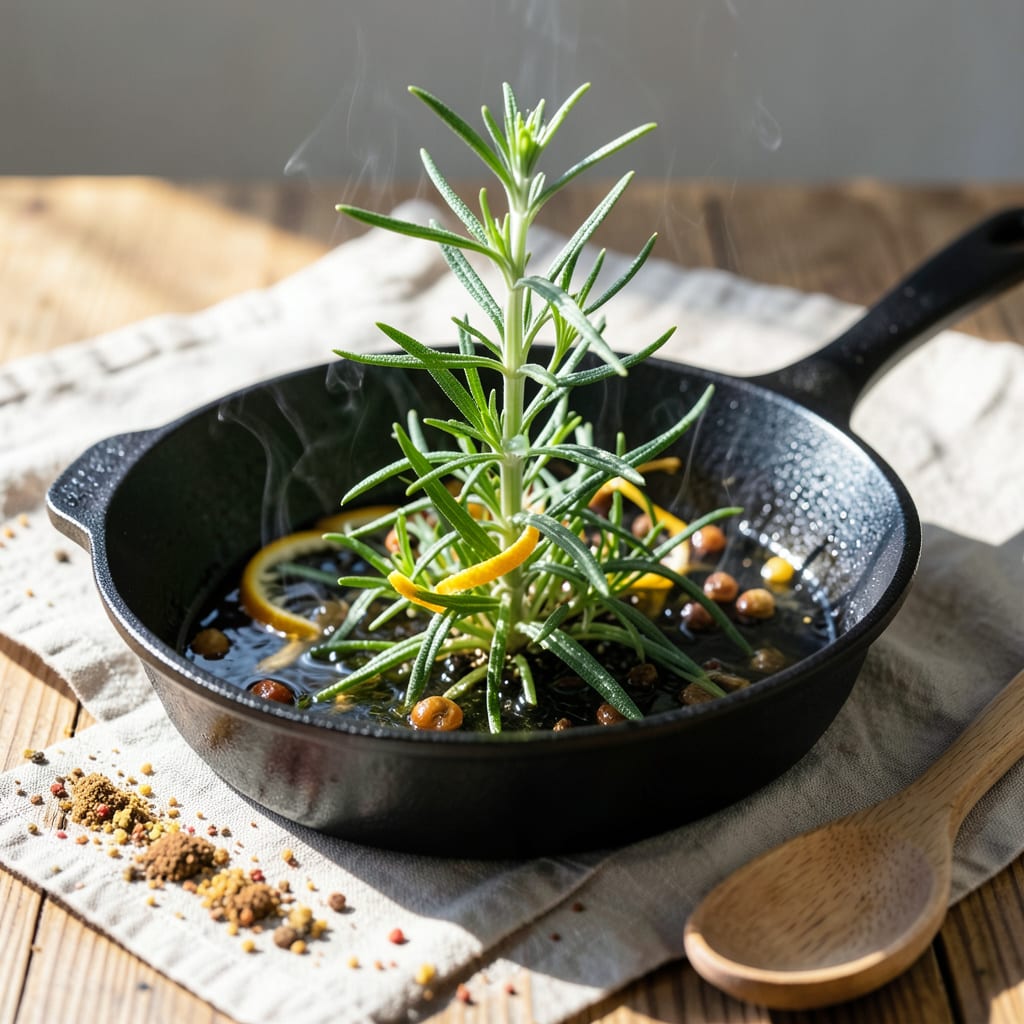
I’ve always been fascinated by Hyssop 🌿, a versatile herb known for its fragrant flowers and medicinal properties. Understanding its growth habits is crucial for successful cultivation, and one of the most common questions is about its height.
Hyssop typically grows to be around 2-3 feet tall, making it a great addition to gardens in USDA Zone 6. Let’s dive into the factors that influence its growth and how to optimize its height for your garden.


I’ve found that understanding hyssop’s growth habits is crucial for gardeners who want to cultivate this versatile herb successfully. One of the most common questions about hyssop is how tall it grows, and the answer depends on several factors 🌿.
The typical height of hyssop plants ranges from 2 to 3 feet, making them a great addition to gardens in USDA Zone 6. However, the actual height can vary depending on the variety, growing conditions, and pruning practices. Let’s take a closer look at these factors and how they impact hyssop’s overall development.
The variety of hyssop you’re growing plays a significant role in determining its height. Some compact varieties are bred to be smaller, while others can grow taller. For example, Hyssopus officinalis is a common variety that typically grows to be around 2-3 feet tall.
Growing conditions also have a significant impact on hyssop’s height. The herb prefers well-drained soil and full sun, which can help it reach its optimal height. In USDA Zone 6, hyssop can thrive in the right conditions, typically requiring 6+ hours of direct sunlight per day.
Pruning practices are also essential for managing hyssop’s height. Regular pruning can help control the plant’s height and encourage dense, bushy growth. By pruning hyssop regularly, you can promote healthy growth and prevent the plant from becoming leggy.
In addition to these factors, soil quality and watering practices can also impact hyssop’s height. The herb prefers moderate watering, with about 1 cup of water per week. Overwatering can lead to root rot, while underwatering can cause stress and reduce growth.
To optimize hyssop’s height, it’s essential to provide the right growing conditions. This includes planting in spring or fall, when the weather is cooler, and avoiding extreme temperatures. In USDA Zone 6, the ideal months for planting hyssop are March, April, and September.
By understanding the factors that influence hyssop’s height, you can take steps to optimize its growth and enjoy a bountiful harvest. Whether you’re growing hyssop for its fragrant flowers or medicinal properties, providing the right conditions and care can help you achieve success.
Hyssop is a relatively low-maintenance herb, but it does require some care to thrive. By following the tips outlined above, you can help your hyssop plants reach their full potential and enjoy a healthy, productive harvest 🌿.
In summary, hyssop typically grows to be around 2-3 feet tall, but its actual height can vary depending on several factors. By providing the right growing conditions and care, you can help your hyssop plants thrive and enjoy a bountiful harvest.
When growing hyssop, managing its height is crucial for optimal garden performance. The plant’s height can significantly impact its overall health and productivity. Let’s explore some practical tips for controlling hyssop height through pruning techniques, soil conditions, and companion planting strategies.
Pruning is one of the most effective ways to manage hyssop height. By regularly pruning the plant, you can encourage bushy growth and prevent it from becoming too leggy. I recommend pruning hyssop in the early spring or late summer to promote healthy growth and control its height 🌿.
Prune hyssop regularly to encourage bushy growth and control its height. Remove any dead or damaged stems to maintain the plant’s overall health.
In addition to pruning, soil conditions also play a significant role in managing hyssop height. The plant prefers well-drained soil with a slightly alkaline pH. By ensuring the soil is properly drained and fertile, you can promote healthy growth and control the plant’s height.
Companion planting is another effective strategy for managing hyssop height. By planting hyssop alongside other herbs and flowers, you can create a diverse and thriving garden ecosystem. Some good companion plants for hyssop include marjoram, rosemary, and lavender, which can help repel pests and attract beneficial insects.
When planting hyssop, it’s essential to consider its mature height and leave enough space for the plant to grow. Hyssop typically grows to be around 2-3 feet tall, so
By following these tips and providing the right growing conditions, you can effectively manage hyssop height and enjoy a healthy and productive harvest.
In conclusion, managing hyssop height requires a combination of pruning techniques, soil conditions, and companion planting strategies. By understanding the factors that influence hyssop height and taking steps to control them, you can enjoy a bountiful harvest and a thriving garden ecosystem.
I’ve found that understanding the different varieties of hyssop is essential for gardeners who want to cultivate this versatile herb successfully. One of the most common questions about hyssop is about the height variations among different cultivars 🌿.
Hyssop comes in several varieties, each with its unique characteristics and growth habits. Let’s take a closer look at some of the most common varieties and their typical heights.
When choosing a hyssop variety, it’s essential to consider the specific growing conditions and space available in your garden. By selecting the right variety, you can ensure that your hyssop plants thrive and reach their full potential 🌿.
In addition to their height variations, different hyssop cultivars may also have varying levels of hardiness, fragrance, and attractiveness to pollinators. By understanding these characteristics, you can make informed decisions about which variety to grow in your garden.
By considering factors like height, hardiness, and fragrance, you can choose the best hyssop variety for your garden and enjoy a bountiful harvest.
