
Beautiful Plants For Your Interior
Beautiful Plants For Your Interior
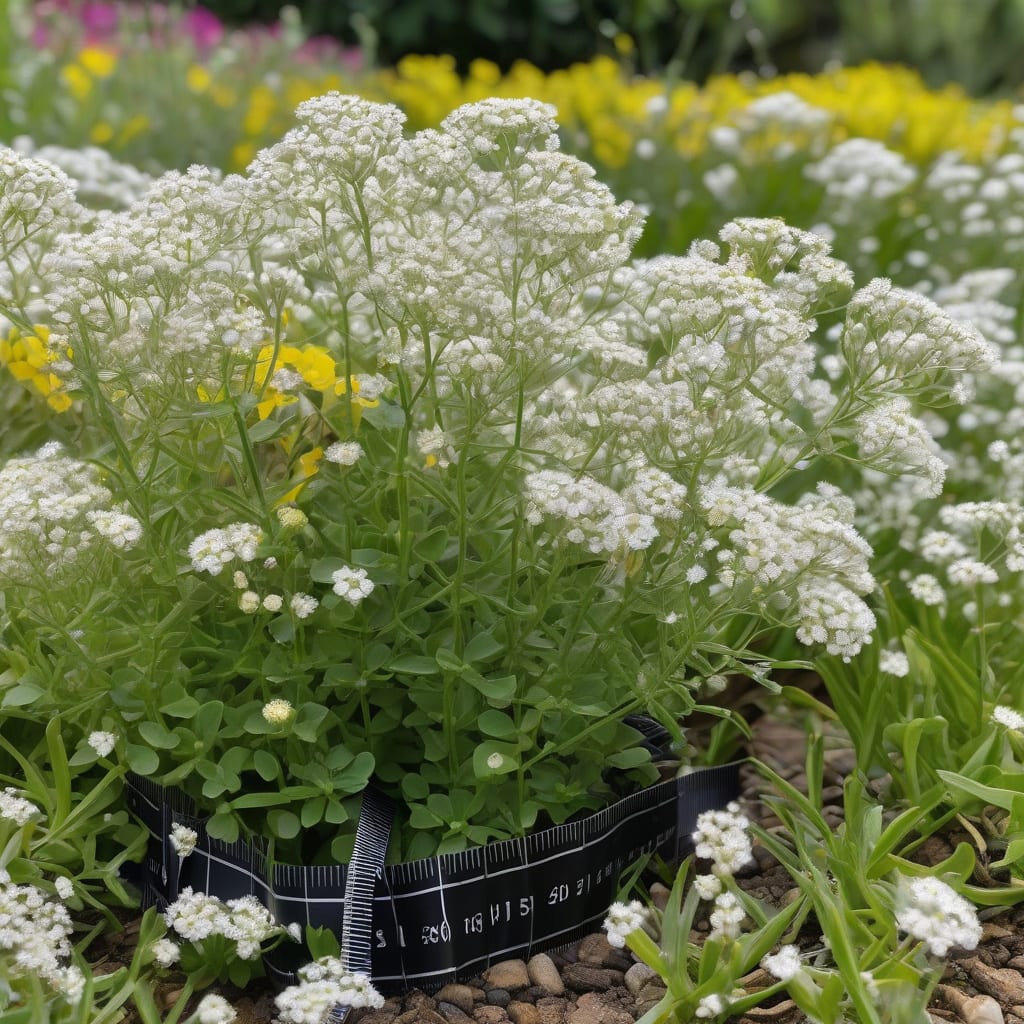
When growing Baby’s Breath 💐, one of the most common questions is about its height potential. Understanding how tall it can grow helps with garden planning and arrangement.
Baby’s Breath typically grows between 2-3 feet tall in USDA Zone 6. Factors like soil quality, sunlight, and watering practices can influence its final height, making it essential to understand these elements for optimal growth.


Baby’s breath is known for its delicate white blooms and airy texture, making it a popular choice for floral arrangements and garden borders. The height of baby’s breath plants can vary significantly based on several factors.
The typical height range for baby’s breath is between 2-3 feet, with some varieties growing taller or shorter depending on their specific characteristics and growing conditions. Understanding these factors is crucial for gardeners looking to optimize their plant’s growth 🌼.
The variety of baby’s breath plays a significant role in determining its height. Some compact varieties are bred to remain shorter, while others can grow quite tall with proper care. For example, the Gypsophila paniculata is a common variety that can reach heights of up to 3 feet when given optimal growing conditions 🌿.
Growing conditions, including soil quality, sunlight exposure, and watering practices, also significantly impact the height of baby’s breath. Plants grown in well-draining soil with full sun tend to perform better and reach their maximum height potential. In contrast, poor soil conditions or insufficient sunlight can result in stunted growth 🌱.
Care practices such as fertilization, pruning, and staking can also affect the final height of baby’s breath. Proper care can help plants reach their full height potential, while neglecting these practices can lead to less impressive growth 📈.
By understanding these factors and how they influence the height of baby’s breath, gardeners can make informed decisions about planting, care, and maintenance to achieve the desired height in their gardens. This knowledge is essential for creating beautiful and balanced garden displays 💐.
For gardeners looking to maximize the height of their baby’s breath, it’s essential to start with healthy plants and provide them with the right growing conditions from the beginning. This includes selecting a suitable location with ample sunlight and preparing the soil to ensure it’s well-draining and rich in nutrients 🌻.
Regular maintenance, including watering and fertilization, plays a crucial role in supporting the growth of baby’s breath. Gardeners should aim to keep the soil consistently moist but not waterlogged, as this can lead to root rot and other issues. A balanced fertilizer applied during the growing season can also help promote healthy growth and maximize height 🌼.
Pruning and staking are additional care practices that can influence the height and overall appearance of baby’s breath. Pruning can help control the plant’s height and encourage bushier growth, while staking can provide support for taller varieties and prevent them from becoming too leggy or toppling over 🌿.
In summary, the height of baby’s breath is influenced by a combination of factors including variety, growing conditions, and care practices. By understanding and optimizing these factors, gardeners can help their baby’s breath plants reach their full height potential and enjoy beautiful blooms throughout the growing season 💐.
With proper care and attention, baby’s breath can be a stunning addition to any garden, providing a soft, romantic texture and a profusion of delicate white flowers. Whether used in floral arrangements or as a filler in garden borders, baby’s breath is sure to add beauty and elegance to any setting 🌼.
Baby’s breath growth height is influenced by several key factors that gardeners need to understand for optimal results. The main elements affecting height include soil quality, sunlight exposure, and watering practices 🌼.
Soil quality plays a crucial role in determining baby’s breath height. The plant thrives in well-draining soil with a slightly alkaline pH between 6.0 and 7.0. Poor soil conditions can lead to stunted growth and reduced height 🌱.
Sunlight exposure is another critical factor affecting baby’s breath height. The plant requires full sun to reach its maximum height potential. Inadequate sunlight can result in leggy growth and reduced flowering 🌻.
Watering practices also significantly impact baby’s breath growth. The plant prefers consistent moisture during the growing season, but overwatering can lead to root rot and other issues 💧.
By understanding and managing these factors, gardeners can optimize the growth height of their baby’s breath plants. Proper care and attention to these elements will help achieve the desired height and promote healthy, vigorous growth 🌼.
Regular monitoring of soil conditions, sunlight exposure, and watering practices is essential for maximizing baby’s breath height. Gardeners should adjust their care routines as needed to ensure optimal growing conditions 📈.
In conclusion, the height of baby’s breath is influenced by a combination of soil quality, sunlight exposure, and watering practices. By optimizing these factors, gardeners can help their plants reach their full height potential and enjoy beautiful blooms throughout the growing season 💐.
To effectively manage baby’s breath height in your garden, it’s essential to understand the various techniques available. Proper management ensures that your plants reach their optimal height while maintaining overall health 🌼.
One effective method for controlling baby’s breath height is through pruning practices. Pruning helps maintain the desired height and encourages bushier growth. By cutting back the stems after flowering, you can promote a more compact growth habit and prevent the plants from becoming too leggy 🌿.
Prune baby’s breath after flowering to maintain height and encourage new growth.
Staking is another technique used to manage baby’s breath height, particularly for taller varieties. Staking provides support to the plants, preventing them from toppling over due to their height or weight. This is especially important in windy conditions or when the plants are heavily laden with flowers 🌻.
Strategic planting also plays a role in managing baby’s breath height. By planting baby’s breath in locations with optimal growing conditions, such as full sun and well-draining soil, you can help the plants reach their maximum height potential while maintaining their health 🌱.
Regular maintenance is crucial for managing baby’s breath height effectively. This includes monitoring the plants’ growth, adjusting pruning and staking as needed, and ensuring that the soil remains well-draining and fertile 📈.
By implementing these techniques, gardeners can effectively manage the height of their baby’s breath plants, ensuring they remain healthy and visually appealing throughout the growing season 💐.
