
Beautiful Plants For Your Interior
Beautiful Plants For Your Interior
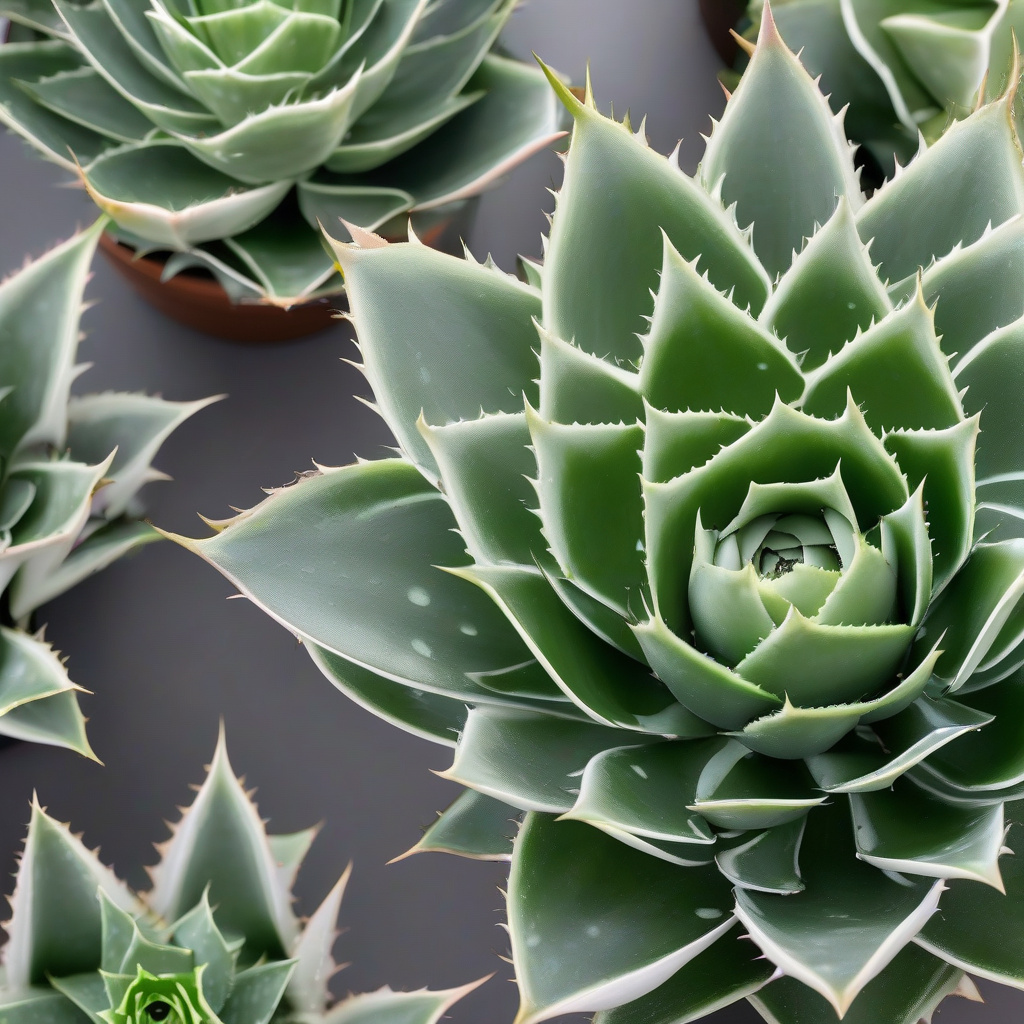
Aloe vera plants are known for their healing properties and low-maintenance requirements, but getting their lighting right is crucial for optimal growth. I’ve learned that finding the perfect balance can make all the difference in keeping these plants thriving.
Too little light can cause your aloe vera to become weak and leggy, while too much can lead to scorched leaves. So, what’s the ideal amount of light for these popular succulents?
In my experience, understanding the lighting needs of aloe vera plants is key to their success, whether you’re growing them indoors or outdoors. Let’s explore the specifics of what works best.
By getting the light just right, you can enjoy healthier plants and even encourage them to produce offsets. I’ll share the essential tips to help you achieve this.

Aloe vera plants are known for their adaptability to various light conditions, but they still have specific needs for optimal growth. In my experience, providing the right amount of light is crucial for maintaining their health and encouraging their healing properties.
The ideal lighting for aloe vera plants involves bright, indirect light. This can be achieved by placing them near a sunny window or using grow lights. I’ve found that understanding the different lighting options is key to creating the perfect environment for these plants.
When it comes to natural lighting, a south-facing window is often ideal for aloe vera plants, providing the right balance of direct and indirect sunlight. However, it’s essential to monitor the plant’s response and adjust its position accordingly.
In my experience, using a combination of natural and artificial lighting can help maintain optimal conditions, especially during the winter months when daylight hours are shorter.
Aloe vera plants generally require 4-6 hours of bright, indirect light per day. This can be achieved through a combination of natural and artificial lighting sources.
For indoor plants, it’s crucial to rotate them regularly to ensure even light distribution and prevent leaning. I’ve found that this simple practice makes a significant difference in their overall health and appearance 🌿.
When using grow lights, it’s essential to maintain a suitable distance between the light source and the plant to avoid overheating or burning the leaves.
By understanding and meeting the lighting needs of your aloe vera plants, you can enjoy their many benefits, from air purification to medicinal uses. Proper lighting is just one aspect of their overall care, but it’s a critical factor in their success.
In conclusion, providing the right amount and type of light is vital for the health and well-being of aloe vera plants. By following these guidelines and being mindful of your plant’s specific needs, you can create an optimal environment for your aloe vera to thrive.
Aloe vera plants are sensitive to light, and both insufficient and excessive light can cause problems. In my experience, understanding the signs of too much or too little light is crucial for maintaining healthy plants.
Too little light can cause aloe vera plants to become leggy and weak, while too much light can lead to scorched leaves. It’s essential to find the right balance to keep your plants thriving.
Both too little and too much light can stress aloe vera plants. Learn to recognize the signs and adjust lighting accordingly to keep your plants healthy.
Insufficient light can cause aloe vera plants to become stretched out and weak. If your plant is not getting enough light, you may notice that it’s not producing new offsets or that the leaves are becoming pale.
On the other hand, excessive light can cause the leaves to become scorched or develop brown spots. If you notice that your aloe vera is getting too much light, you can move it to a shadier location or provide some shade using a sheer curtain 🌞.
To determine if your aloe vera is getting the right amount of light, observe its behavior. If it’s getting too little light, it may start to lean towards the light source or become leggy. If it’s getting too much light, the leaves may become discolored or develop brown spots.
In my experience, it’s better to err on the side of caution when it comes to lighting. If you’re unsure whether your aloe vera is getting too much or too little light, start by adjusting its position and observing its response.
By being mindful of your aloe vera’s lighting needs and making adjustments as needed, you can help keep your plants healthy and thriving. Remember, the key is to find the right balance between light and shade.
With a little practice and observation, you can become an expert at providing the right amount of light for your aloe vera plants. By doing so, you’ll be rewarded with healthy, thriving plants that will continue to provide their many benefits for years to come 🌱.
In conclusion, understanding the effects of too much or too little light on aloe vera plants is crucial for their care. By recognizing the signs of light stress and making adjustments accordingly, you can keep your plants happy and healthy.
📖 See Also
6 Best Egg Candlers: Essential Tools for Every Poultry Owner
Everything you need to know about 6 Best Egg Candlers: Essential Tools for Every Poultry Owner.
