
Beautiful Plants For Your Interior
Beautiful Plants For Your Interior
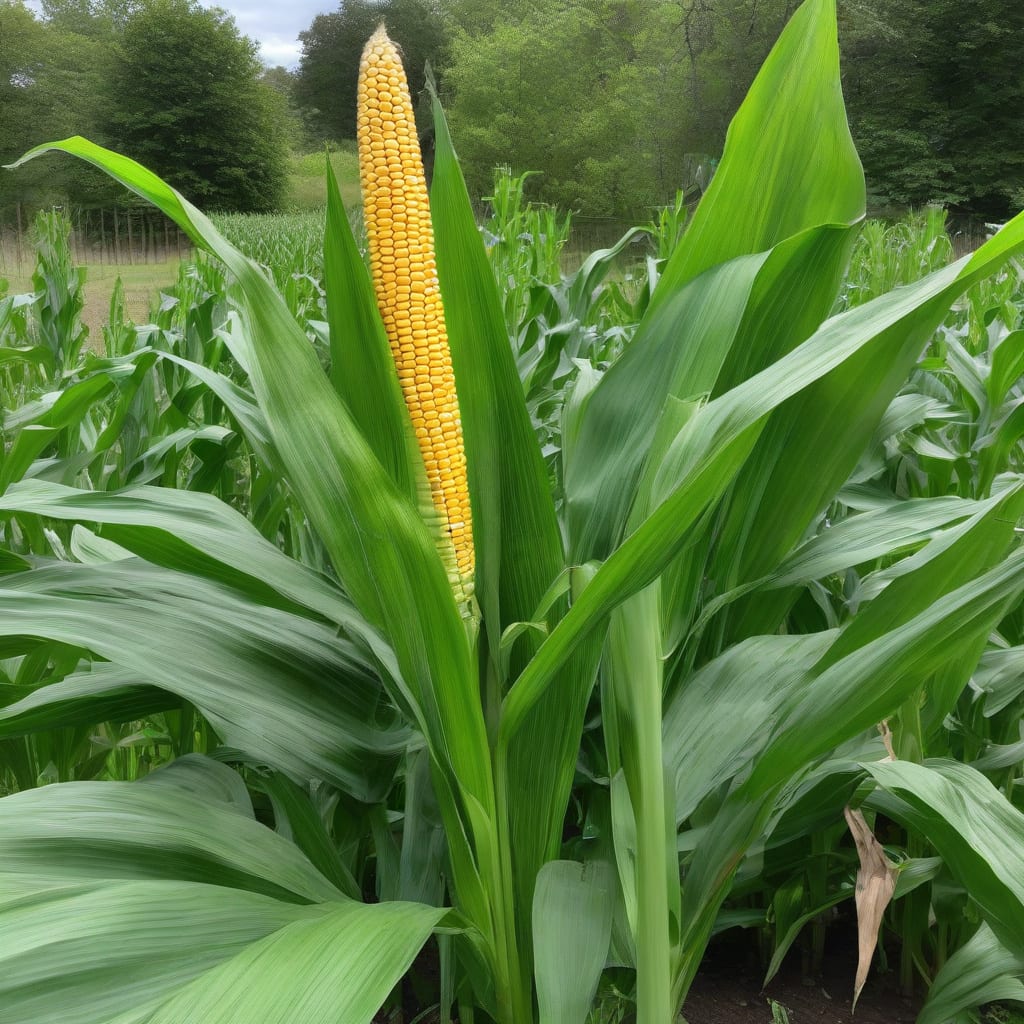
As I stand in my garden, I marvel at how tall corn plants can grow – some varieties can reach heights of 6-10 feet, towering above other vegetables like a giant 🌽. The right conditions can make all the difference in achieving maximum growth.
Understanding the factors that influence corn plant height is crucial for gardeners looking to optimize their crop. Let’s explore the key elements that contribute to healthy, tall corn plants and how you can create ideal growing conditions in your own garden.

Corn plants can grow to varying heights depending on several key factors. Understanding these elements is crucial for gardeners looking to optimize their crop’s growth. The main factors influencing corn plant height include genetics, soil quality, climate conditions, and farming practices.
Genetics play a significant role in determining the maximum height a corn plant can achieve. Different varieties have been bred for specific characteristics, including height. Some are naturally taller, while others remain shorter.
The genetic potential of a corn variety sets its maximum height. For instance. Soil quality is another critical factor, as it provides the necessary nutrients and water for growth. Climate conditions like sunlight, rainfall, and temperature also play a significant role. Proper farming practices, including spacing, fertilization, and pest management, can further optimize height.
Corn plants typically grow between 6-10 feet tall, with some varieties reaching even greater heights under ideal conditions. The tallest corn plants are often found in fields with rich soil and optimal growing conditions 🌽.
Understanding these factors helps gardeners create the best environment for their corn plants to thrive. By focusing on genetics, soil quality, climate conditions, and farming practices, you can maximize your corn plants’ growth potential.
Key factors that affect corn plant height include:
By optimizing these factors, gardeners can help their corn plants reach their full height potential. Proper care and attention to these elements can make a significant difference in the overall health and height of the plants.
Corn plants that receive adequate sunlight and consistent moisture tend to grow taller and healthier. Ensuring that your corn plants have the right conditions will help them achieve their maximum height.
Regular monitoring and maintenance are essential for achieving optimal growth. By keeping a close eye on your corn plants and addressing any issues promptly, you can help them reach their full potential.
In summary, understanding the factors that influence corn plant height is crucial for maximizing growth. By focusing on genetics, soil quality, climate conditions, and farming practices, gardeners can create an optimal environment for their corn plants to thrive 🌽.
I focus on creating optimal growing conditions to help my corn plants reach their maximum height. Understanding the key factors that influence growth is essential for achieving success.
Corn plants require adequate sunlight, consistent moisture, and proper nutrition to grow tall and healthy. By providing these essential elements, you can help your corn plants thrive.
Test your soil to determine its nutrient content and pH level. Add organic matter like compost to improve soil quality and drainage.
Water your corn plants regularly, especially during dry spells. Aim for about 1 inch of water per week, either from rainfall or irrigation.
Feed your corn plants with a balanced fertilizer during the growing season. This will provide them with the necessary nutrients for optimal growth.
By following these expert tips, you can help your corn plants reach their full potential and achieve maximum height.
Proper care and attention to detail are crucial for growing tall, healthy corn plants. With the right conditions and care, you can enjoy a bountiful harvest of delicious corn 🌽.
I recommend keeping a close eye on your corn plants’ progress and making adjustments as necessary to ensure optimal growth. By doing so, you’ll be able to enjoy a successful harvest and maximize your corn plants’ height.
In summary, maximizing corn plant growth requires attention to soil preparation, watering strategies, and nutrient management. By following these expert tips, you can help your corn plants reach their full potential and achieve maximum height 🌽.
I face several challenges when trying to maximize the height of my corn plants. Understanding these obstacles is crucial for developing effective strategies to overcome them.
Corn plants are susceptible to various pests and diseases that can significantly impact their growth. Pests like corn borers and diseases like rust can weaken the plants, reducing their potential height 🌽.
Regularly inspect your corn plants for signs of pests or diseases. Take action promptly to prevent damage and ensure optimal growth.
Environmental factors like drought, extreme temperatures, and poor soil quality can also limit corn plant growth. Ensuring that your corn plants receive adequate water and proper nutrition is essential for achieving maximum height.
I recommend implementing integrated pest management strategies to minimize the impact of pests and diseases on your corn plants. This can include techniques like crop rotation, biological control, and organic pesticides.
By understanding the common challenges that can affect corn plant height, you can take proactive steps to mitigate these issues and create an optimal growing environment. With the right strategies and care, you can help your corn plants reach their full potential and achieve maximum height 🌽.
