
Beautiful Plants For Your Interior
Beautiful Plants For Your Interior
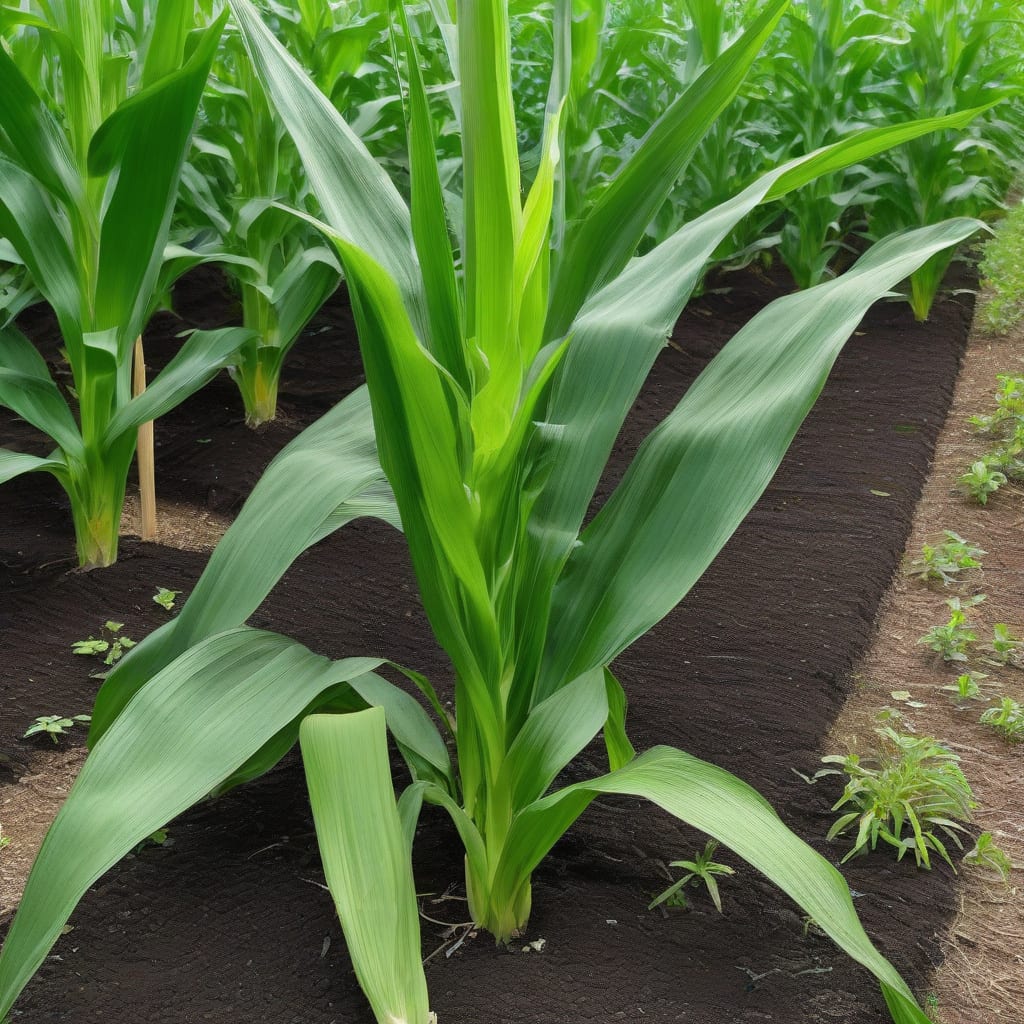
As I step into my garden, I’m always amazed by the towering 🌽 corn plants that can grow up to 10 feet tall! Understanding their growth potential is key to maximizing your harvest. In USDA zone 6, where I garden, corn plants typically thrive in the late spring.
Let’s explore the factors that influence corn plant height and how you can support these tall beauties to reach their full potential. I’ll share expert tips on creating ideal growing conditions for your corn.
Ideal Time
Also Good
Corn plant height is influenced by multiple factors that gardeners need to consider for optimal growth. The genetic makeup of the corn variety plays a crucial role in determining its potential height, with different varieties having distinct growth characteristics 🌽.
Soil quality is another critical factor affecting corn plant height. Nutrient-rich soil with adequate organic matter and proper pH balance supports healthy root development and overall plant growth.
The climate conditions in your area significantly impact corn plant growth. Corn requires warm temperatures and adequate moisture, especially during critical growth stages like tasseling and silking. Understanding these factors helps in planning and managing corn cultivation effectively.
Soil preparation is essential for achieving optimal corn plant height. This includes testing soil pH, adding necessary nutrients, and ensuring proper drainage. These practices create a favorable environment for corn plants to grow tall and healthy.
In addition to genetics and soil quality, farming practices such as planting density and fertilization strategies significantly influence corn plant height. Proper spacing and nutrient management are key to maximizing growth potential.
Corn plants generally thrive in full sun conditions, requiring at least 6 hours of direct sunlight daily. This exposure is crucial for photosynthesis and overall plant development, contributing to their height and productivity.
By understanding and managing these factors, gardeners can create optimal conditions for their corn plants to reach their full height potential, ensuring a bountiful harvest 🌾.
Regular watering and fertilization are crucial during the growing season. Corn plants need consistent moisture, especially when they’re producing tassels and silks. Proper nutrient management supports healthy growth and maximizes height.
The height of corn plants can vary significantly based on the specific variety and growing conditions. On average, corn plants can grow between 6 to 10 feet tall, with some varieties reaching even greater heights under ideal conditions.
To support tall corn plants, gardeners often use techniques like block planting to improve pollination and reduce the risk of wind damage. This method involves planting corn in blocks rather than in long rows, which helps in achieving better ear development and stronger stalks.
Corn comes in various types, each with its own growth characteristics. The height of corn plants can vary significantly depending on the specific variety 🌽.
Sweet corn, commonly grown for fresh eating, typically reaches heights between 5 to 8 feet. Some varieties can grow taller, while others remain more compact.
Dent corn, often used for animal feed and industrial purposes, can grow even taller, reaching heights of 6 to 12 feet or more. Its taller stature is due to its robust growth habit and longer maturation period.
Ornamental corn varieties are known for their vibrant colors and patterns on the ears. These plants can grow quite tall, sometimes reaching heights of 6 to 15 feet, making them a striking addition to gardens and floral arrangements.
The height of corn plants is not just about aesthetics; it also affects their ability to pollinate and produce ears. Taller plants can be more resilient to wind and better at pollination due to their height and the positioning of their tassels 🌾.
When selecting a corn variety, it’s essential to consider the available space in your garden and the desired use of the corn. Whether you’re growing for consumption, decoration, or other purposes, understanding the potential height of your corn plants helps in planning and managing your garden effectively.
By comparing the different corn varieties and their growth heights, gardeners can make informed decisions about which types to cultivate based on their specific needs and garden conditions.
Understanding these differences helps gardeners choose the right corn variety for their specific needs, whether it’s for a small garden or a larger agricultural setting 🌼.
To achieve optimal corn plant height, it’s essential to start with proper soil preparation. I recommend testing your soil pH and adjusting it if necessary, as corn prefers a slightly acidic to neutral soil pH between 6.0 and 7.0. Adding organic matter like compost can improve soil structure and fertility, supporting healthy root development 🌱.
Corn needs consistent moisture, especially during tasseling and silking stages. Water deeply once or twice a week, providing about 1-2 inches of water per week.
Use a balanced fertilizer (e.g., 10-10-10 NPK) when plants are about 6 inches tall. Continue fertilizing every 4-6 weeks until tasseling begins.
Ensure your corn plants receive full sun, with at least 6 hours of direct sunlight daily. This promotes healthy growth and maximizes height potential 🌞.
By following these expert tips, you can create optimal growing conditions for your corn plants to reach their full height potential. Remember that consistent care and attention to your corn plants’ needs are key to a successful harvest 🌾.
Regular monitoring of your corn plants’ growth and adjusting your care strategies as needed will help you achieve the best possible results. With proper care, your corn plants should thrive and reach their maximum height 🌼.
The combination of proper soil preparation, adequate watering, balanced fertilization, and sufficient sunlight will help your corn plants grow tall and healthy, ensuring a bountiful harvest.
