
Beautiful Plants For Your Interior
Beautiful Plants For Your Interior
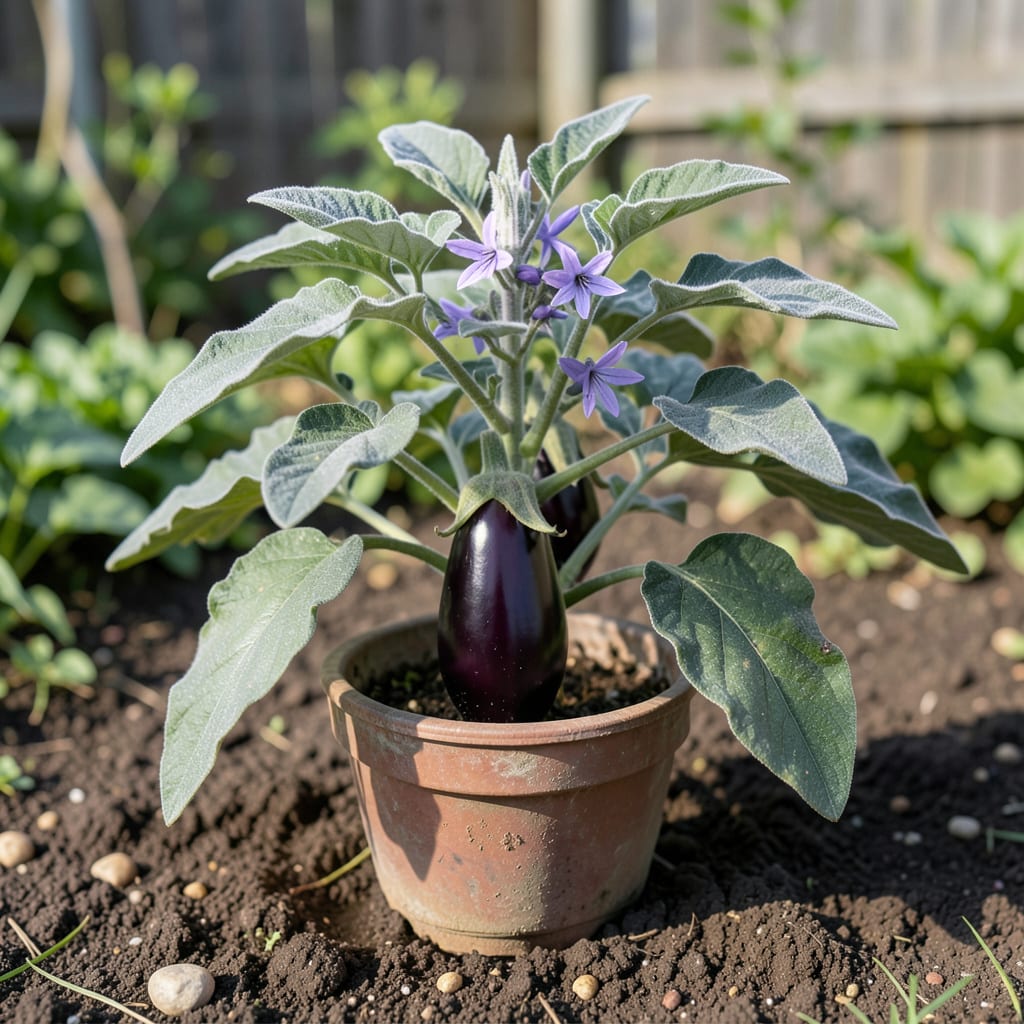
When growing eggplants 🍆, understanding their growth potential is key to a successful harvest. In ideal conditions, these plants can reach impressive heights, making proper support essential for maximizing yield and keeping your garden organized.
Let’s explore what influences eggplant height and how you can encourage your plants to grow taller and healthier in USDA Zone 6, where they typically thrive during the spring season from May to June.


Eggplant height is influenced by several key factors that gardeners should understand to maximize their plant’s growth potential. The variety of eggplant chosen plays a significant role, with some cultivars naturally growing taller than others. Climate conditions, particularly temperature and sunlight exposure, also impact eggplant height, as these plants thrive in warm environments with ample sunlight. Soil quality is another crucial element, as well-draining, nutrient-rich soil supports healthier and potentially taller plants.
Cultivation practices, including watering, fertilization, and pruning, further affect eggplant height. Proper support, such as staking or trellising, can also encourage vertical growth by preventing the plant from sprawling on the ground. Understanding these factors helps gardeners create optimal conditions for their eggplants to reach their full height potential 🌱.
The average height of standard eggplant varieties ranges between 2 to 4 feet, with some indeterminate types growing even taller under ideal conditions. Factors such as soil temperature, nutrient availability, and pest management also contribute to the overall height and health of the plants. By optimizing these factors, gardeners can help their eggplants achieve their maximum growth potential.
Eggplant height is not just about aesthetics; it can also impact the plant’s ability to produce fruit. Taller plants often have better air circulation around the leaves and fruit, which can reduce the risk of disease. Proper support for taller varieties is essential to prevent damage from wind or the weight of the fruit 🌿.
In USDA Zone 6, where eggplants are typically planted in late spring, the growing season provides ample time for these plants to reach their full height. Gardeners in this zone should be prepared to provide necessary support as the plants grow throughout the summer.
Understanding the specific needs of your eggplant variety is crucial for maximizing height. Some compact varieties are bred for smaller spaces and may not grow as tall, while others are designed for maximum production and can reach impressive heights with proper care.
Regular monitoring of plant health and growth is essential for identifying any issues that might limit eggplant height. Factors such as nutrient deficiencies, pest damage, or inadequate watering can all impact the plant’s ability to grow tall and produce well.
By combining optimal growing conditions with appropriate care techniques, gardeners can encourage their eggplants to reach their full height potential. This not only improves the garden’s appearance but also contributes to a more bountiful harvest.
Successful eggplant cultivation requires attention to detail and a willingness to adapt to changing conditions throughout the growing season. Gardeners should be prepared to adjust their care strategies as needed to support optimal plant growth.
The height of eggplants can vary significantly based on the factors discussed. By understanding and addressing these factors, gardeners can create an environment that supports healthy, tall eggplant plants.
In conclusion, growing tall eggplants requires a combination of choosing the right variety, providing optimal growing conditions, and employing proper cultivation techniques. With careful planning and attention to detail, gardeners can enjoy a productive and visually appealing eggplant crop 🍆.
To grow tall and healthy eggplants, gardeners should focus on several key techniques that promote vertical growth and overall plant health. Proper pruning is essential, as it encourages the plant to direct its energy towards growing taller rather than spreading out. By removing lower leaves and weak growth, gardeners can improve air circulation and reduce the risk of disease, which in turn supports healthier and potentially taller plants 🌿.
Another critical technique is staking or trellising, which provides necessary support for eggplants as they grow. This not only helps prevent the plants from sprawling on the ground but also encourages them to grow upwards, maximizing their height potential. Gardeners should install stakes or trellises at the time of planting to avoid damaging the roots later on.
Ensure soil is well-draining and rich in nutrients before planting.
Maintain consistent moisture, especially during fruit development.
Use a balanced fertilizer every 4-6 weeks to support healthy growth.
Watering and fertilization are also crucial for maximizing eggplant height. Consistent moisture, especially during fruit development, helps prevent stress that can stunt growth. Regular fertilization with a balanced fertilizer provides the necessary nutrients for optimal growth and fruit production.
In addition to these techniques, gardeners should ensure their eggplants receive adequate sunlight. Eggplants thrive in full sun, so choosing a location that receives at least 6 hours of direct sunlight daily is essential for promoting tall and healthy growth.
By implementing these expert gardening tips and techniques, gardeners can encourage their eggplants to reach their full height potential. This not only enhances the garden’s appearance but also contributes to a more bountiful harvest of delicious eggplants 🍆.
Regular monitoring of the plants’ growth and health is essential for identifying any issues early on. Gardeners should be prepared to adjust their care strategies as needed to support optimal plant growth throughout the growing season.
Maximizing eggplant height is a multifaceted approach that involves a combination of proper care techniques and optimal growing conditions. With careful planning and attention to detail, gardeners can enjoy a productive and visually appealing eggplant crop.
Growing tall eggplants can be challenging due to various factors that can impede their growth. One of the most significant issues gardeners face is pest infestations, which can weaken the plants and stunt their growth. Common pests include aphids, whiteflies, and spider mites, which can be managed through regular monitoring and appropriate pest control measures 🌿.
Diseases are another major concern when growing eggplants. Fungal infections, bacterial wilt, and verticillium wilt can all impact plant health and height. Practicing crop rotation, ensuring good air circulation, and using disease-resistant varieties can help mitigate these risks.
Regularly inspect your eggplant plants for signs of pests or diseases. Early detection is key to preventing widespread damage and ensuring healthy growth.
Environmental stress is another factor that can affect eggplant height. Extreme temperatures, either too hot or too cold, can stress the plants and hinder their growth. Providing adequate shade during the hottest part of the day and protecting plants from frost can help manage these stresses.
Nutrient deficiencies can also impact eggplant growth. Ensuring the soil is rich in essential nutrients and maintaining a balanced fertilization schedule can support healthy plant development. Regular soil testing can help identify any deficiencies that need to be addressed.
By understanding these common challenges and implementing strategies to overcome them, gardeners can create an optimal growing environment for their eggplants. This proactive approach helps ensure that the plants reach their full height potential and produce a bountiful harvest 🍆.
Regular monitoring and maintenance are crucial for identifying and addressing issues early on. By staying vigilant and adapting care strategies as needed, gardeners can support optimal plant growth throughout the growing season.
Overcoming the challenges associated with growing tall eggplants requires a combination of knowledge, planning, and attentive care. With the right approach, gardeners can enjoy a successful and productive eggplant crop.
Standard eggplant varieties typically grow between 2 to 4 feet tall, with some indeterminate types reaching even greater heights under ideal conditions. Proper support is essential for maximizing their growth potential. Regular pruning and staking can help encourage vertical growth.
To promote taller growth, focus on proper pruning, staking, and fertilization. Remove lower leaves and weak growth to improve air circulation and direct the plant’s energy towards vertical growth. Use a balanced fertilizer every 4-6 weeks to support healthy development.
Common challenges include pest infestations, diseases, and environmental stress. Regular monitoring and appropriate pest control measures can help manage these issues. Practices like crop rotation and ensuring good air circulation can also mitigate risks.
Eggplants require consistent moisture, especially during fruit development. Water them every 2-3 days in summer and adjust based on weather conditions. Avoid waterlogging, which can stress the plants and hinder their growth.
