
Beautiful Plants For Your Interior
Beautiful Plants For Your Interior
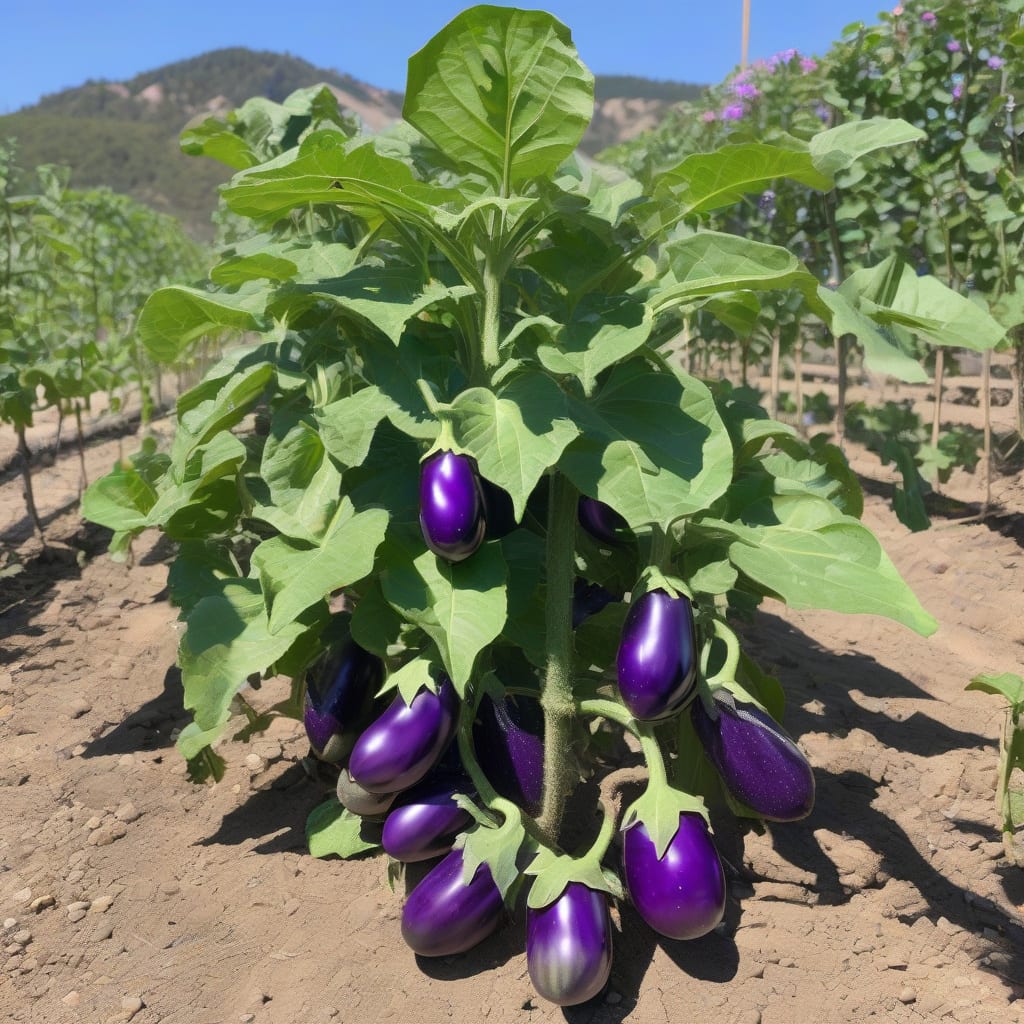
Growing eggplant 🍆 can be a rewarding experience, but understanding its growth potential is key to a successful harvest. The height of an eggplant plant varies, but knowing what to expect helps with garden planning.
In USDA zone 6, eggplant plants typically grow between 2-4 feet tall. Factors like soil quality, sunlight, and variety influence their growth. Proper support can make a significant difference in maximizing your harvest.

Eggplant plants are known for their impressive growth, reaching heights that can significantly impact garden planning. Understanding the average height and factors influencing growth is essential for successful cultivation.
The typical height range for eggplant plants varies between 2-4 feet, with some varieties growing even taller under optimal conditions. Factors such as soil quality, sunlight exposure, and the specific variety play crucial roles in determining the final height of the plant 🌿.
Eggplant plants generally thrive in USDA zone 6, where the growing season allows for 180 frost-free days. This duration supports the plant’s growth from May through September, aligning with the typical summer planting season. Proper care during this period is crucial for maximizing the plant’s height and yield 🌾.
To achieve the best results, it’s essential to plant eggplant when the soil temperature reaches 65°F, typically in late spring. This timing ensures that the plants have the optimal conditions to grow tall and healthy 🔥.
The height of an eggplant plant can be influenced by various factors, including the specific growing conditions and the care provided. By understanding these factors, gardeners can better plan their garden layout and provide the necessary support for their plants.
Key factors affecting eggplant plant height include the variety, soil quality, and sunlight exposure. By optimizing these factors, gardeners can promote healthier and taller plant growth.
Eggplant plants require consistent moisture, with a recommended water frequency of every 3-4 days. This helps maintain the soil’s moisture levels and supports the plant’s growth.
In addition to proper watering, fertilization every 4-6 weeks is crucial for promoting healthy growth and maximizing the plant’s height potential.
By understanding the average height of eggplant plants and the factors that influence their growth, gardeners can take steps to optimize their garden layout and care practices.
Proper care and support are essential for maximizing the height and yield of eggplant plants. By providing the right conditions and care, gardeners can enjoy a bountiful harvest of delicious eggplants 🍆.
The average height range for eggplant plants is between 2-4 feet, with optimal growing conditions and care supporting taller growth.
Eggplant plants can grow quite tall, typically reaching heights between 2-4 feet. To maximize their yield, it’s essential to provide proper support as they grow 🌿.
Tall eggplant plants require structural support to prevent them from toppling over, especially when laden with fruit. Without support, the plants can suffer damage, reducing their overall yield 🔥.
By providing the right support, gardeners can significantly improve the health and productivity of their eggplant plants. This, in turn, leads to a more bountiful harvest of delicious eggplants 🍆.
Proper support methods not only help in managing the plant’s height but also contribute to better air circulation and reduced risk of disease.
It’s crucial to start supporting the plants early in their growth cycle to ensure they develop strong structures and can withstand the weight of their fruit.
In addition to physical support, maintaining optimal growing conditions, such as adequate sunlight and consistent watering, is vital for promoting healthy growth.
Eggplant plants that receive full sun and consistent moisture are more likely to grow tall and produce a high yield.
Regularly inspecting the plants and adjusting the support as needed can help prevent damage and ensure the plants continue to thrive.
By combining proper support with good gardening practices, gardeners can enjoy a successful and productive eggplant harvest 🌾.
To maximize the height of your eggplant plants, it’s essential to understand the factors that influence their growth. By optimizing these factors, you can promote healthier and taller plants 🌿.
One of the key factors is pruning, which helps control the plant’s shape and encourages vertical growth. Removing lower leaves and weak growth can significantly improve the plant’s overall structure 🔥.
Regular fertilization is crucial for promoting healthy growth. Use a balanced fertilizer every 4-6 weeks to provide essential nutrients.
In addition to pruning and fertilization, pest management plays a critical role in maintaining the health of your eggplant plants. Regularly inspect your plants for signs of pests and take action promptly to prevent damage 🐜.
By combining these expert tips and tricks, you can create an optimal growing environment for your eggplant plants, maximizing their height and yield 🌾.
Key takeaways for maximizing eggplant plant height include pruning, regular fertilization, and effective pest management. By following these guidelines, you can promote healthier and more productive plants.
Eggplant plants that receive proper care and support are more likely to grow tall and produce a bountiful harvest. By understanding and implementing these strategies, you can enjoy a successful and productive eggplant harvest 🍆.
Maximizing eggplant plant height requires attention to detail and a commitment to providing optimal growing conditions. With the right care and support, your eggplant plants can thrive and provide a delicious harvest 🔥.
