
Beautiful Plants For Your Interior
Beautiful Plants For Your Interior
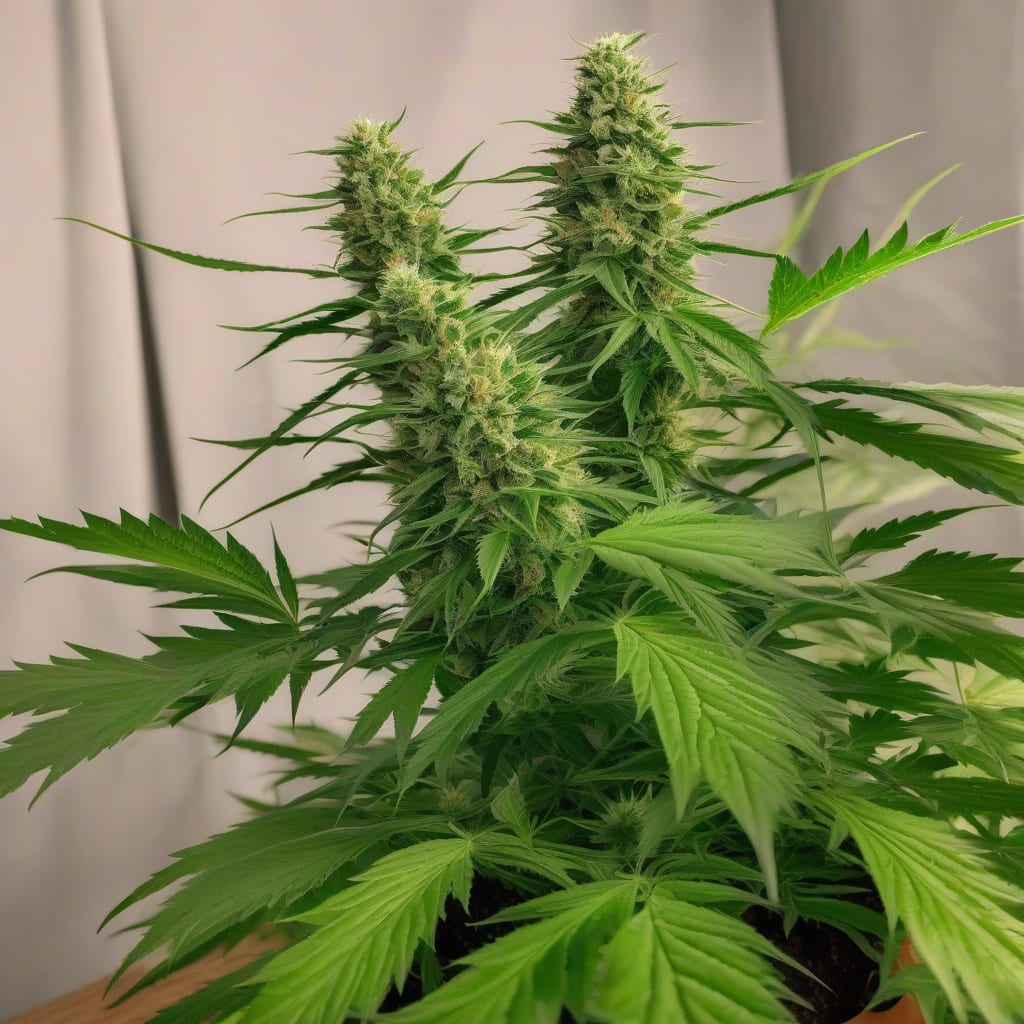
When growing Potato 🥔 plants in pots, understanding their potential height is crucial for optimal care. In USDA Zone 6, these plants typically grow between 2-3 feet tall.
Factors like pot size, soil quality, and light exposure play significant roles in determining their final height. By optimizing these conditions, you can help your Potato plants reach their full potential height during the spring growing season.

The height of pot plants can vary dramatically based on species, care, and growing conditions. Understanding these factors is essential for gardeners to optimize plant growth 🌿.
Several key elements influence the height of pot plants, including pot size, soil quality, light exposure, and watering practices. Each of these factors plays a crucial role in determining the final height of the plant.
Pot size is a critical factor in determining plant height. Larger pots provide more room for root development, which can lead to taller plants. For example, a potato plant grown in a larger container will generally reach a greater height than one in a smaller pot 🌱.
Soil quality is another important aspect. Nutrient-rich soil supports healthy plant growth, which can impact the overall height. Using a well-balanced fertilizer can help achieve optimal growth.
Light exposure significantly affects plant height. Plants that receive sufficient sunlight tend to grow taller and stronger. Most plants require at least 6 hours of direct sunlight per day to thrive.
Proper watering practices are also vital. Overwatering or underwatering can stress plants, potentially stunting their growth. Consistent moisture levels help plants grow steadily and healthily.
By understanding and optimizing these factors, gardeners can create conditions that support maximum plant height. Each factor contributes to the overall health and development of the plant.
Different plants have varying requirements for optimal growth. Researching the specific needs of your pot plants can help you tailor your care routine for the best results.
Regular monitoring and adjustments to these factors can lead to healthier, taller plants. Being attentive to your plants’ needs is key to achieving the desired height.
Gardeners should also consider the natural growth habits of their plants. Some species naturally grow taller than others, regardless of care.
By combining optimal growing conditions with appropriate care, you can help your pot plants reach their full height potential. This approach ensures a thriving and visually appealing garden 🌼.
Understanding the factors that influence pot plant height allows gardeners to make informed decisions about plant care. This knowledge can lead to more successful gardening experiences.
To maximize the height of pot plants, gardeners need to consider several key factors. Understanding these elements can help you create optimal growing conditions for your plants 🌱.
Here are some expert gardening tips to encourage vertical growth in pot plants:
Regular pruning helps control plant height and promotes bushy growth. Remove leggy stems to encourage branching 🌿.
Use a balanced fertilizer during the growing season to provide essential nutrients. This promotes healthy growth and can impact plant height 📦.
Provide support for tall plants using stakes or trellises. This helps maintain their upright position and promotes vertical growth 🌻.
Pruning is a crucial technique for controlling plant height. By removing leggy stems, you encourage branching, which can lead to a fuller plant 🌿.
Fertilization plays a significant role in plant growth. Using a balanced fertilizer ensures that your plants receive the necessary nutrients for optimal development 📦.
Support systems are essential for tall plants. Stakes or trellises help maintain their upright position, promoting vertical growth and preventing damage 🌻.
By implementing these expert gardening tips, you can create an environment that supports maximum height for your pot plants. Each technique contributes to the overall health and development of the plant 🌱.
Regular monitoring and adjustments to your care routine can lead to healthier, taller plants. Being attentive to your plants’ needs is key to achieving the desired height 🌼.
Different plants have varying requirements for optimal growth. Researching the specific needs of your pot plants can help you tailor your care routine for the best results 📚.
Combining optimal growing conditions with appropriate care can help your pot plants reach their full height potential. This approach ensures a thriving and visually appealing garden 🌸.
Understanding the techniques to maximize pot plant height allows gardeners to make informed decisions about plant care. This knowledge can lead to more successful gardening experiences 🌻.
Growing pot plants can be a rewarding experience, but it’s easy to make mistakes that can stunt their growth. Understanding these common pitfalls is crucial for achieving optimal plant height 🌿.
Overwatering, poor soil quality, and insufficient light are common mistakes that can hinder pot plant growth. Being aware of these issues can help you take corrective action.
One of the most common mistakes gardeners make is overwatering. This can lead to root rot and other problems that stunt plant growth. To avoid this, ensure your pot has good drainage and check the soil moisture before watering 🌱.
Inadequate light is another factor that can limit plant height. Most plants require at least 6 hours of direct sunlight per day. If your plants aren’t getting enough light, consider moving them to a brighter location or supplementing with grow lights 💡.
Poor soil quality can also impact plant growth. Using a nutrient-rich potting mix can help provide your plants with the necessary nutrients for optimal development. Regular fertilization can also support healthy growth 📦.
By being aware of these common mistakes and taking steps to avoid them, you can create an environment that supports healthy growth and maximizes pot plant height 🌼.
