
Beautiful Plants For Your Interior
Beautiful Plants For Your Interior
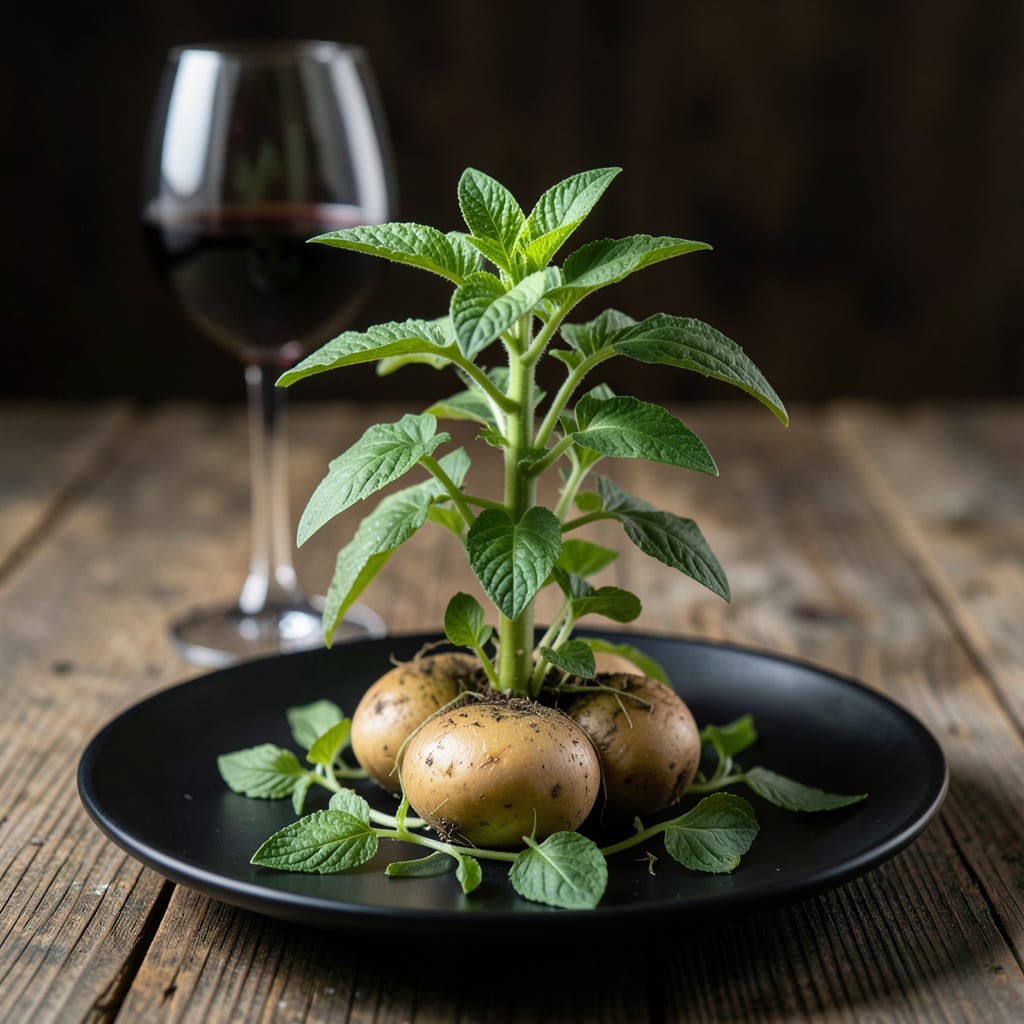
When growing 🥔 Potatoes in USDA Zone 6, understanding their growth habits is key. The height of Potato plants can vary, typically ranging from 1 to 3 feet tall, depending on factors like variety and growing conditions.
To maximize your harvest, it’s essential to manage their growth effectively. I’ll walk you through the factors that influence Potato plant height and provide tips on how to promote healthy growth in your garden in General locations.

1-2 ft

2-3 ft

1-3 ft

2-3 ft
Potato plant height is influenced by several key factors that gardeners need to understand for optimal growth. The variety of potato being grown plays a significant role, as different cultivars have inherent growth habits ranging from compact to vigorous. For instance, some potato varieties are bred specifically for container growing and remain relatively small, while others can grow quite tall 🌱.
Soil quality is another crucial factor affecting potato plant height. Well-draining, loose soil rich in organic matter allows for better root development and consequently better plant growth. Soil pH also impacts nutrient availability, with potatoes preferring slightly acidic conditions between 4.5 and 7.0. Climate conditions, including temperature and moisture levels, further influence plant height, with optimal growth occurring in cool, moist environments ❄️.
The height of potato plants can vary significantly based on these factors. On average, most potato plants grow between 1 to 3 feet tall. Understanding these growth characteristics helps gardeners plan their garden layout and manage plant health more effectively 📏.
For example, in USDA Zone 6 where the frost-free period is around 180 days, gardeners can expect potato plants to reach their mature height during the growing season. Proper management of these factors can lead to healthier plants and a more bountiful harvest 🌼.
When considering potato plant height, it’s also important to note that different growing conditions can affect the final height. Factors such as sunlight exposure, watering practices, and fertilization all contribute to the overall health and size of the plants. Ensuring that potato plants receive adequate sunlight and consistent moisture will promote healthy growth and maximize tuber production ☀️.
By understanding the factors that influence potato plant height, gardeners can make informed decisions about their gardening practices. This knowledge allows for better planning and management, ultimately leading to a more successful harvest 🥔.
Regular monitoring of potato plants is essential to identify any issues that may arise during the growing season. By keeping a close eye on plant health and addressing any problems promptly, gardeners can ensure that their potato plants reach their full potential 🌿.
Effective garden management also involves considering the specific needs of potato plants. This includes providing the right growing conditions and making adjustments as necessary to support healthy plant growth 🌱.
In conclusion, understanding the factors that influence potato plant height is crucial for successful gardening. By considering these factors and implementing appropriate management strategies, gardeners can optimize their potato crop and enjoy a bountiful harvest 🌻.
Overall, the height of potato plants is an important aspect of their growth and development. By understanding the factors that influence this characteristic, gardeners can better manage their plants and achieve a successful harvest 🥔.
To maximize potato yield, it’s essential to manage plant height effectively. Proper techniques can help control height while promoting healthy tuber production. I’ll share practical tips on hilling, spacing, and other management strategies 🌱.
Managing potato plant height begins with proper hilling techniques. Hilling involves adding soil or mulch around the base of the plants as they grow, leaving only a few inches of the leaves exposed. This process encourages the development of more tubers along the buried stem, increasing overall yield. It’s crucial to hill potatoes multiple times during the growing season, starting when the plants are about 6 inches tall 📏.
Start when plants are 6 inches tall, covering stem up to first leaves
Continue every 2-3 weeks until plants start flowering
Stop hilling when plants are in full bloom
Proper spacing is another critical factor in managing potato plant height and maximizing yield. Planting seed potatoes 12 inches apart within rows and maintaining 3 feet between rows allows for adequate air circulation and sunlight penetration. This spacing helps prevent disease and promotes healthy growth, ultimately leading to better tuber production 🌼.
In addition to hilling and spacing, pruning can be used to control potato plant height. Removing the flower buds as they form can direct the plant’s energy towards tuber development rather than seed production. While not mandatory, this technique can help manage plant height and potentially increase yield 💐.
Effective management of potato plant height also involves monitoring for signs of stress or disease. Regular inspections can help identify issues early, allowing for timely intervention. By maintaining healthy plants through proper care and management, gardeners can optimize their potato crop and enjoy a successful harvest 🥔.
By implementing these strategies, gardeners can effectively manage potato plant height and promote optimal tuber production. Proper hilling, spacing, and pruning techniques all contribute to healthier plants and a more bountiful harvest 🌻.
Regular maintenance is key to successful potato cultivation. By following these guidelines and staying attentive to plant needs, gardeners can maximize their yield and enjoy a rewarding growing experience 🌱.
Overall, managing potato plant height is a multifaceted approach that requires attention to various factors. By understanding and implementing these techniques, gardeners can achieve a successful and productive potato harvest 🥔.
Growing potato plants can be challenging due to various factors that affect their height and overall health. Understanding these challenges and implementing effective solutions is crucial for a successful harvest. I’ll discuss common issues like disease, pests, and environmental stress, and provide practical advice on how to address them 🌿.
Disease is a significant challenge in potato cultivation, with late blight and scab being two of the most common issues. Late blight can cause significant damage to both foliage and tubers, while scab affects tuber quality. To manage these diseases, it’s essential to use certified disease-free seed potatoes and implement crop rotation practices 🔄.
Regularly inspect plants for signs of disease like yellowing leaves or black spots. Remove infected plants promptly to prevent spread.
Pests are another challenge that can impact potato plant growth. Potato beetles and wireworms are common pests that can cause significant damage. Hand-picking beetles and using row covers can help manage infestations. For wireworms, maintaining good soil health through proper drainage and organic matter can reduce their impact 🐜.
Environmental stress, including extreme temperatures and moisture fluctuations, can also affect potato plant height. Potatoes prefer cool, consistent temperatures and adequate moisture. Mulching can help regulate soil temperature and retain moisture, while irrigation management ensures consistent water supply 🌟.
By understanding these common challenges and implementing effective management strategies, gardeners can promote healthy potato plant growth and maximize their harvest. Regular monitoring and timely intervention are key to addressing issues before they become severe 📝.
Implementing these solutions requires attention to detail and a proactive approach. By combining good cultural practices with appropriate pest and disease management, gardeners can create an optimal growing environment for their potato plants 🌻.
Successful potato cultivation depends on addressing the challenges that arise during the growing season. With the right strategies and knowledge, gardeners can overcome these obstacles and enjoy a bountiful harvest 🥔.
