
Beautiful Plants For Your Interior
Beautiful Plants For Your Interior
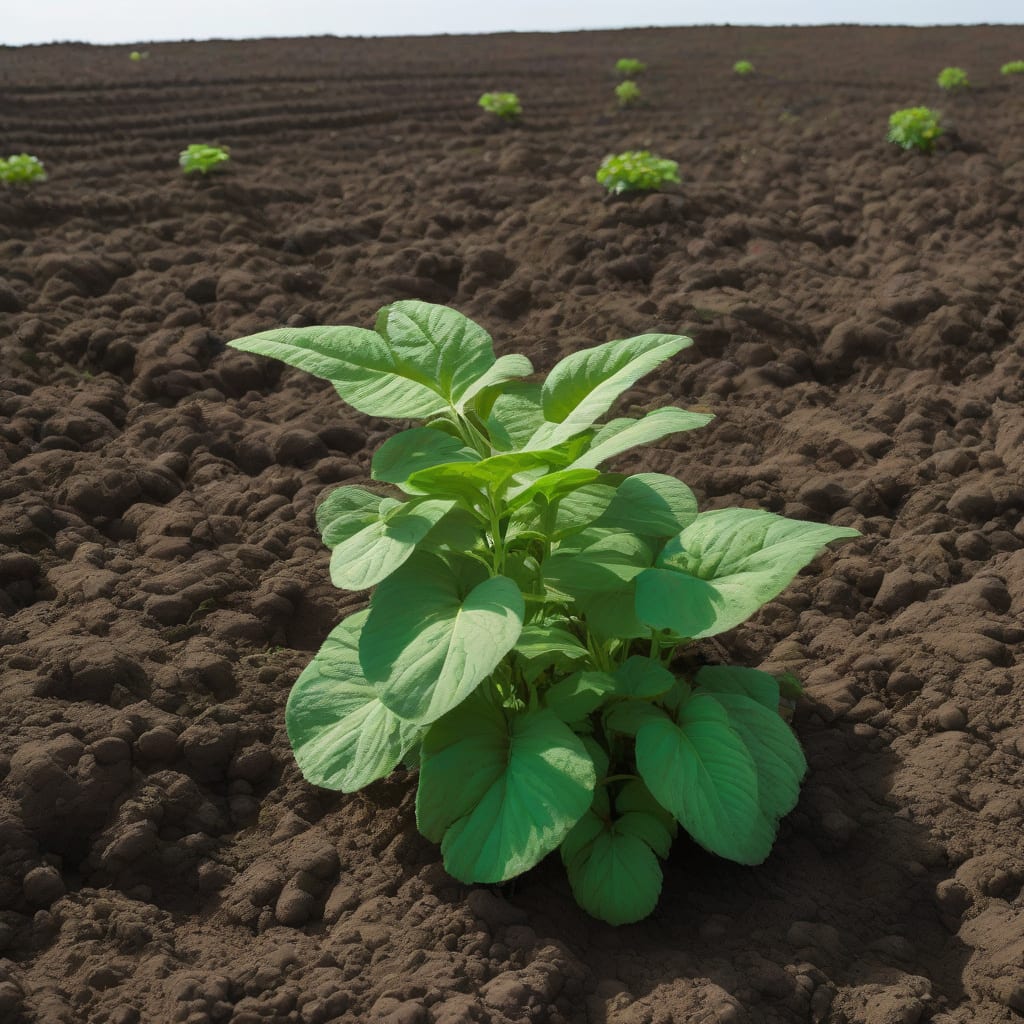
When growing red potatoes 🥔, understanding their height is crucial for planning your garden space. Typically, these plants grow between 2-3 feet tall, which is about knee-high for an adult.
Factors like soil quality, sunlight, and watering practices can influence their growth. By optimizing these conditions, you can ensure healthy plants and a bountiful harvest in USDA Zone 6 during the spring season.
Red potato plants typically grow between 2-3 feet tall, which is about knee-high for an adult. This height range is characteristic of their mature growth stage.
The height of red potato plants can be influenced by several factors, including soil quality, sunlight exposure, and watering practices. Understanding these factors is crucial for optimizing growing conditions.
The mature height of red potato plants is generally consistent across different varieties, with most reaching their full height within 70-120 days of planting. This growth period is influenced by factors such as soil quality and sunlight exposure 🌞.
Soil quality plays a significant role in determining the height of red potato plants. Well-draining, loose soil with a pH between 4.8 and 7.0 is ideal for optimal growth.
Sunlight exposure is another critical factor. Red potato plants require full sun to produce a healthy crop, meaning they need at least 6 hours of direct sunlight per day.
Watering practices also impact the height of red potato plants. Consistent moisture, especially during tuber formation, is crucial. Aim for about 1 inch of water per week, either from rainfall or irrigation 💧.
In addition to these factors, spacing between plants can affect their growth. Proper spacing allows for good air circulation and reduces the risk of disease.
To maximize the height and yield of red potato plants, it’s essential to monitor and adjust growing conditions throughout the season. This includes keeping an eye on soil moisture, nutrient levels, and potential pests or diseases that could impact plant health.
By understanding and managing these factors, gardeners can optimize the growth of their red potato plants, leading to a bountiful harvest 🌼.
Key factors influencing red potato plant height include soil quality, sunlight exposure, and watering practices. Proper spacing and ongoing monitoring are also crucial for healthy growth.
Red potato plants are a valuable addition to any garden, providing both nutritious tubers and attractive foliage. Their relatively modest height makes them suitable for a variety of garden layouts.
Several key factors influence the height of red potato plants, including soil quality, sunlight exposure, watering practices, and spacing. Understanding these factors is crucial for optimizing growing conditions 🌿.
The height of red potato plants can vary based on the quality of the soil they’re grown in. Well-draining, loose soil with a pH between 4.8 and 7.0 is ideal for optimal growth.
By optimizing these conditions, gardeners can promote healthy growth and maximize the height of their red potato plants 🌻.
Soil quality is particularly important as it affects nutrient availability and drainage. Full sun exposure ensures that plants receive enough light for photosynthesis.
Consistent watering practices help maintain the moisture levels that red potato plants need, especially during tuber formation 💧.
Proper spacing between plants is also crucial as it allows for good air circulation, reducing the risk of disease.
To further optimize growth, it’s essential to monitor and adjust growing conditions throughout the season, keeping an eye on soil moisture, nutrient levels, and potential pests or diseases.
By understanding and managing these factors, gardeners can ensure their red potato plants reach their full potential height and yield a bountiful harvest 🌼.
Red potato plants are a valuable addition to any garden, providing both nutritious tubers and attractive foliage. Their relatively modest height makes them suitable for a variety of garden layouts.
To maximize the height and yield of red potato plants, it’s essential to optimize growing conditions. This includes maintaining consistent soil moisture, ensuring adequate sunlight exposure, and practicing proper spacing 🌞.
For optimal growth, ensure red potato plants receive consistent moisture, especially during tuber formation. Aim for about 1 inch of water per week, either from rainfall or irrigation 💧.
Soil quality significantly impacts the growth of red potato plants. Use well-draining, loose soil with a pH between 4.8 and 7.0 for optimal results.
Sunlight exposure is another critical factor. Red potato plants require full sun to produce a healthy crop, needing at least 6 hours of direct sunlight daily.
Proper spacing between plants allows for good air circulation, reducing disease risk. Monitor and adjust growing conditions throughout the season, keeping an eye on soil moisture, nutrient levels, and potential pests or diseases 🌿.
By understanding and managing these factors, gardeners can optimize red potato plant growth, leading to a bountiful harvest 🌼.
Key practices for healthy red potato growth include maintaining consistent moisture, ensuring adequate sunlight, and practicing proper spacing. Regular monitoring is also crucial.

