
Beautiful Plants For Your Interior
Beautiful Plants For Your Interior
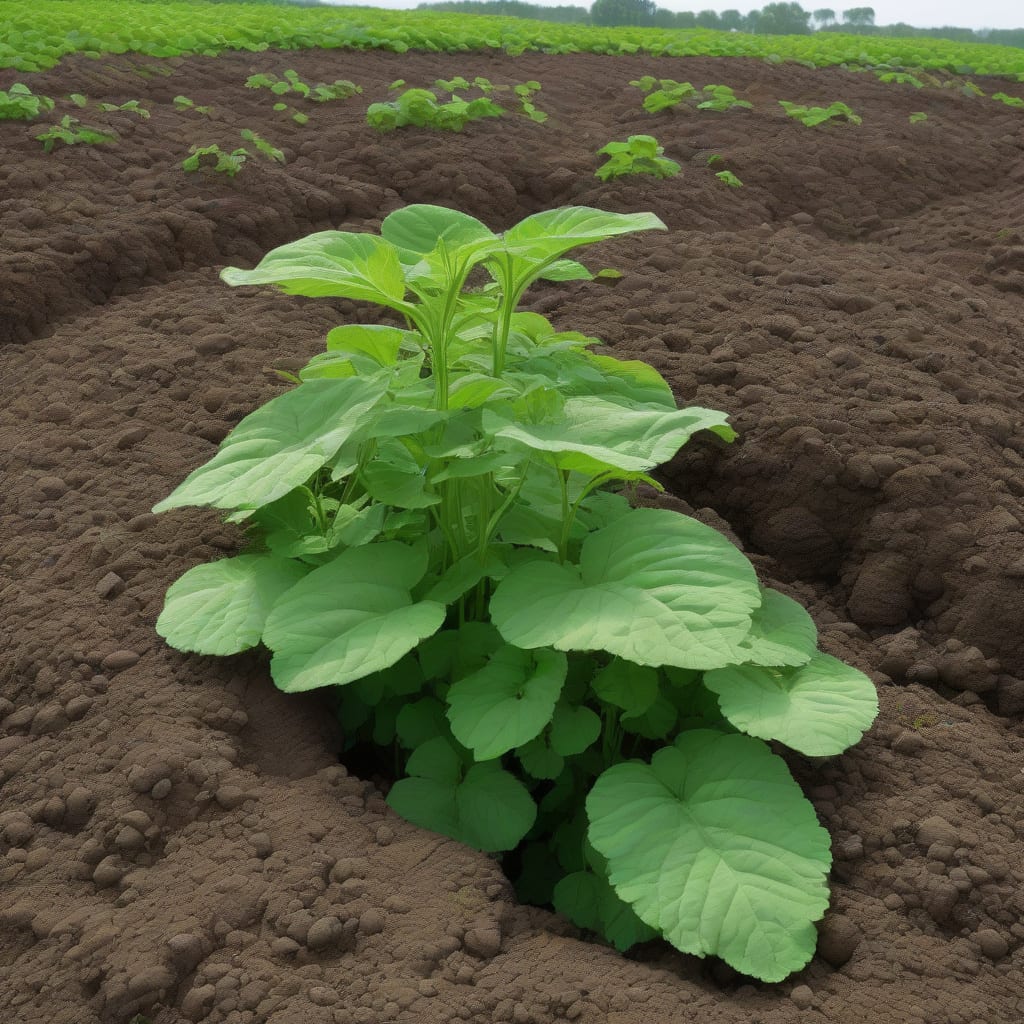
When growing potatoes 🥔, understanding their height is crucial for planning your garden space. Potato plants typically grow between 1-3 feet tall, depending on the variety and growing conditions in USDA Zone 6.
Knowing how tall your potato plants will grow helps you manage their growth and maximize your harvest. Let’s explore the factors that affect their height and how to optimize their growth for a bountiful harvest.
Ideal Time
Also Good
Potato plant height is influenced by several key factors that gardeners should consider for optimal growth. The variety of potato being grown plays a significant role, as different cultivars have distinct growth habits. Some potatoes are bred to be more compact, while others naturally grow taller 🌿.
Understanding these factors is crucial for managing expectations and planning garden space effectively. Let’s examine the primary influences on potato plant height and how they impact overall growth.
The potato variety is a primary factor in determining plant height. Different cultivars have been developed for various characteristics, including their growth habits. For example, some varieties like ‘Russet’ potatoes tend to grow taller than others, reaching heights of up to 3 feet, while more compact varieties might only reach 1-2 feet in height 🌼.
Growing conditions also significantly affect potato plant height. Factors such as soil quality, moisture levels, and sunlight exposure play crucial roles. Potatoes grown in well-draining, nutrient-rich soil with consistent moisture and provide adequate sunlight (at least 6 hours of direct sunlight daily) will generally produce taller, healthier plants 💡.
Cultivation practices are another important factor. Techniques such as hilling – adding soil around the base of the plants as they grow – can influence the final height by encouraging more stem growth and tuber production. Pruning or trimming back excessive foliage can also be used to manage plant height and promote better tuber development 🌱.
By understanding these factors, gardeners can better manage their potato crops and optimize growing conditions for maximum yield. The interplay between variety, growing conditions, and cultivation practices all contribute to the final height and productivity of potato plants.
Each of these factors contributes to the overall height and health of potato plants. By carefully managing these elements, gardeners can create optimal growing conditions that support both the height and productivity of their potato crops 🌻.
Proper management of these factors leads to healthier plants and better tuber production. Gardeners should consider their specific growing conditions and variety selection when planning their potato crop.
Effective cultivation practices are essential for achieving the desired plant height and maximizing harvest potential. Regular monitoring and appropriate interventions can help maintain optimal growing conditions throughout the season.
The combination of variety selection, optimal growing conditions, and appropriate cultivation practices all work together to determine the final height of potato plants. Understanding these elements helps gardeners make informed decisions about their potato cultivation.
By focusing on these key factors, gardeners can better control the height of their potato plants and improve overall crop performance. This knowledge is essential for successful potato cultivation and maximizing harvest yields.
To maximize your potato harvest, it’s essential to understand how to manage the growth of your potato plants effectively. The height of potato plants can significantly impact their productivity, and proper management techniques can help control their height while improving tuber production 🌱.
Managing potato plant growth involves several key practices that gardeners should implement. By understanding and applying these techniques, you can optimize your potato crop’s performance and achieve a bountiful harvest.
Add soil around the base of plants as they grow to encourage more stem growth and tuber production. This technique helps control plant height while improving yields.
Trim back excessive foliage to manage plant height and promote better tuber development. Pruning helps direct the plant’s energy towards tuber production.
Maintain well-draining, nutrient-rich soil to support healthy plant growth. Proper soil conditions are crucial for optimal tuber production and plant height management.
By implementing these management techniques, gardeners can effectively control the height of their potato plants while maximizing their yield. Regular monitoring and adjustments to these practices can help ensure optimal growing conditions throughout the season 🌻.
Hilling is a critical technique in managing potato plant growth. By adding soil around the base of the plants as they grow, you encourage more stem growth and tuber production. This process not only helps control the plant’s height but also improves overall yields.
Pruning or trimming back excessive foliage is another effective method for managing potato plant height. By reducing the amount of foliage, you direct the plant’s energy towards tuber production, resulting in a more productive harvest 💡.
Soil management plays a vital role in supporting healthy potato plant growth. Maintaining well-draining, nutrient-rich soil conditions is essential for optimal tuber production and effective plant height management 🌱.
Regularly monitoring your potato plants and adjusting your management practices as needed can help you achieve the best possible results. By combining these techniques, you can optimize your potato crop’s performance and enjoy a successful harvest 🌼.
Controlling potato plant height can be challenging due to various factors that affect their growth. Understanding these challenges is crucial for effective management and maximizing yields. Let’s explore some common issues gardeners face when trying to control potato plant height 🌿.
Excessive foliage can be a sign of too much nitrogen. Monitor your plants regularly and adjust fertilizer application accordingly to prevent overly tall, weak plants 🔍.
One common challenge is dealing with excessive foliage, which can lead to overly tall plants that are prone to lodging. This can be caused by excessive nitrogen in the soil, so it’s essential to monitor soil nutrient levels and adjust fertilizer application accordingly 🌱.
Disease impact is another significant challenge. Diseases like late blight can cause abnormal growth patterns, including excessive height. Regular monitoring for disease symptoms and implementing appropriate control measures can help mitigate this issue 💡.
Weather-related factors can also affect potato plant height. Unseasonable weather patterns, such as unseasonably warm temperatures or excessive rainfall, can promote abnormal growth. Being prepared for these variations and having strategies in place to manage them is crucial for maintaining optimal plant height 🌻.
By understanding these common challenges, gardeners can better prepare to manage their potato crops effectively. Regular monitoring and appropriate interventions can help maintain optimal growing conditions and control plant height.
Effective management of potato plant height requires a comprehensive approach that considers multiple factors. By addressing these challenges proactively, gardeners can improve their chances of achieving a successful harvest 🌼.
