
Beautiful Plants For Your Interior
Beautiful Plants For Your Interior
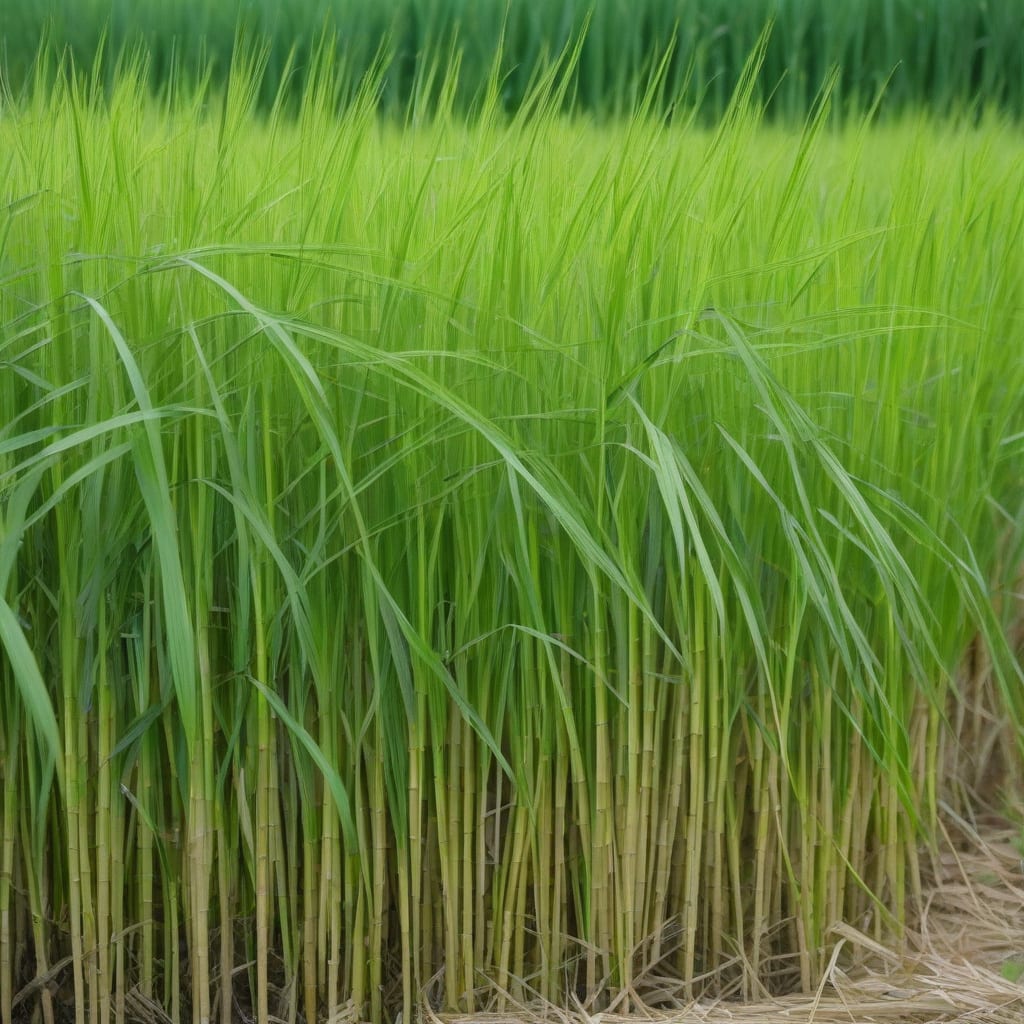
As a rice farmer, understanding how tall your 🍚 rice plants will grow is crucial for optimizing cultivation practices. The height of rice plants can vary significantly based on factors like variety, soil quality, and nutrient management.
Rice plants typically grow between 2 to 6 feet tall, with some varieties reaching even greater heights. Knowing what to expect can help you make informed decisions about planting, fertilizing, and harvesting in USDA Zone 6.


Rice plant height is influenced by a combination of genetic, environmental, and management factors. Understanding these factors is crucial for optimizing rice cultivation practices and maximizing yields.
The height of rice plants can vary significantly based on the variety selected, with some varieties naturally growing taller than others. Environmental factors such as soil quality and nutrient availability also play a critical role in determining rice plant height.
The genetic makeup of a rice variety is a primary determinant of its potential height. Some varieties are bred to be semi-dwarf, typically growing between 2 to 3 feet tall, while others can reach heights of 5 feet or more. For instance, in USDA Zone 6, farmers often prefer varieties that mature within 120 to 180 days, balancing height with yield potential.
Environmental conditions such as temperature, sunlight, and soil quality also significantly impact rice plant height. Rice grown in fertile soils with adequate sunlight, will, the plants can grow taller and healthier. Conversely, poor soil quality or nutrient deficiencies can stunt their growth.
Farmers can optimize rice plant height through proper nutrient management, including the use of balanced fertilizers that provide essential nutrients like nitrogen, phosphorus, and potassium. Maintaining optimal water levels is also crucial, as both drought and excessive flooding can negatively impact plant height 🌿.
Understanding these factors helps farmers make informed decisions about their rice cultivation practices, ultimately leading to better crop management and higher yields. By considering the interplay of genetic, environmental, and management factors, farmers can optimize their rice production to achieve the desired plant height and maximize their harvest.
The height of rice plants is a critical factor in determining the overall health and productivity of the crop. By managing the factors that influence rice plant height, farmers can ensure a successful harvest and maintain the quality of their rice.
Rice cultivation methods significantly impact the optimal height of rice plants. Different techniques require varying plant heights to maximize yields and efficiency.
The height of rice plants can vary based on the cultivation method used. For example, flooded rice cultivation typically requires taller plants, while aerobic rice cultivation may benefit from shorter varieties.
The optimal rice plant height varies significantly across different cultivation methods. In flooded cultivation, taller plants are often preferred as they can better withstand water depths and reduce weed growth.
In contrast, aerobic rice cultivation typically benefits from shorter to medium-height varieties. This method focuses on water conservation and reducing methane emissions, and shorter plants can help achieve these goals.
System of Rice Intensification (SRI) cultivation also has specific height considerations. SRI promotes wider spacing and careful water management, which can result in healthier root growth and potentially taller plants, typically in the range of 2 to 4 feet.
Understanding these height considerations is crucial for farmers to optimize their rice cultivation practices and maximize yields. By selecting the appropriate rice variety and adjusting cultivation techniques accordingly, farmers can achieve better crop management and higher productivity 🌾.
Farmers should consider the specific requirements of their chosen cultivation method when selecting rice varieties and planning their crop management strategies.
By optimizing rice plant height for their specific cultivation method, farmers can improve crop resilience, reduce input costs, and ultimately achieve higher yields and better quality rice.
As a rice farmer, managing rice plant height is crucial for achieving better yields. The height of rice plants can significantly impact their productivity and overall health.
To manage rice plant height effectively, farmers can employ several strategies, including nutrient management, water control, and crop management practices. By understanding how these factors influence rice height, farmers can make informed decisions to optimize their cultivation practices.
Monitor your rice plants regularly and adjust your management practices accordingly to achieve optimal height and maximize yields 🌾.
Nutrient management plays a critical role in controlling rice plant height. Farmers can use balanced fertilizers to provide essential nutrients like nitrogen, phosphorus, and potassium. Proper nutrient management helps promote healthy growth and prevents excessive vegetative growth that can lead to lodging.
Water control is another important factor in managing rice plant height. Maintaining optimal water levels can help regulate plant growth and prevent water stress. Farmers should ensure that their fields are not too dry or too flooded, as both conditions can negatively impact rice height and yield.
In addition to nutrient and water management, crop management practices such as planting density and spacing can also influence rice plant height. By optimizing these factors, farmers can create an environment that promotes healthy growth and maximizes yields.
By implementing these strategies, farmers can effectively manage rice plant height and achieve better yields. Regular monitoring and adjustments to management practices are key to optimizing rice production and ensuring a successful harvest 🌟.
