
Beautiful Plants For Your Interior
Beautiful Plants For Your Interior
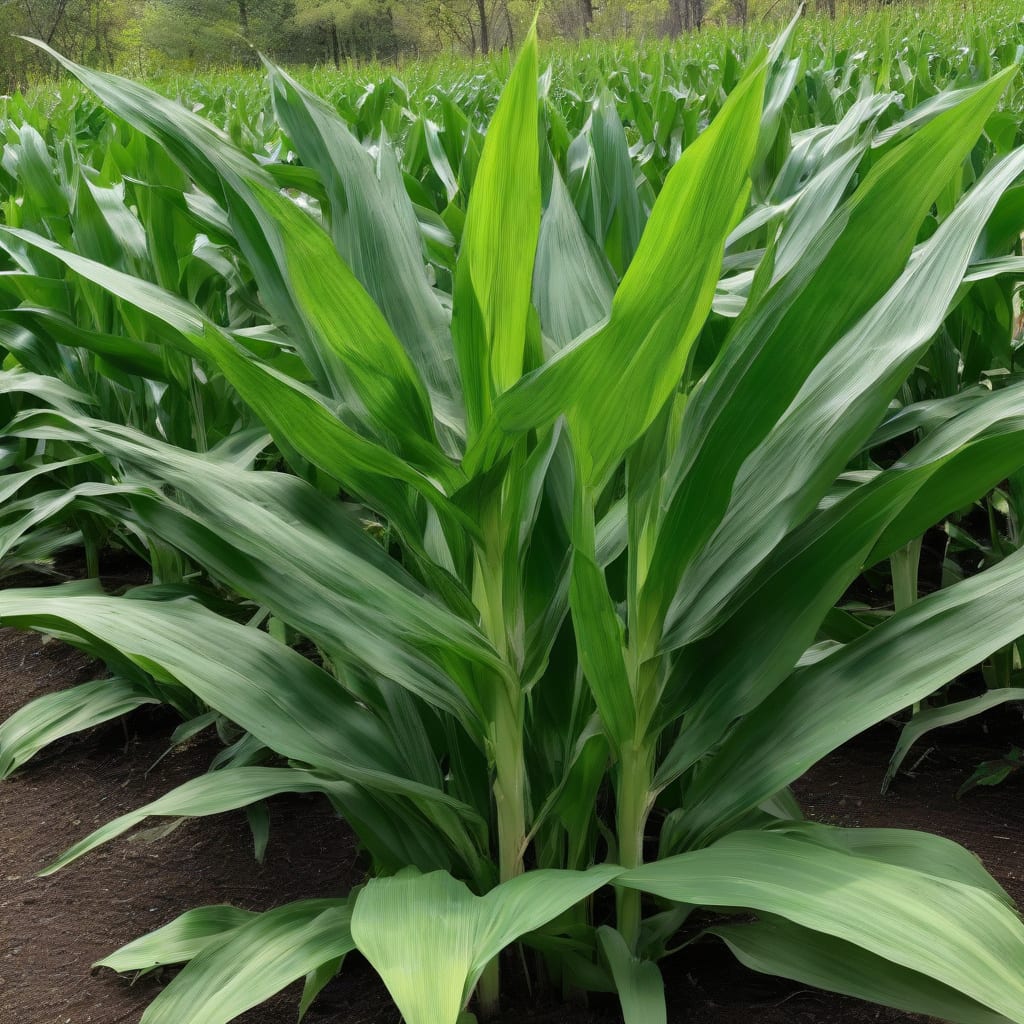
When growing Corn 🌽 in USDA Zone 6, one of the most common questions is about the potential height of the stalks. Corn stalks can grow to varying heights depending on several factors, including genetics and growing conditions.
Generally, Corn 🌽 stalks can reach heights of 6-10 feet, with some varieties growing even taller under optimal conditions. Understanding these growth patterns is crucial for maximizing your harvest.

Corn stalk height is influenced by multiple factors that gardeners need to understand for optimal growth. The primary determinants include genetic variety, soil quality, and environmental conditions. Different corn varieties have been bred for specific height characteristics, ranging from dwarf types that grow between 4-6 feet to standard varieties that can reach 8-10 feet or more.
The quality of the soil plays a crucial role in corn stalk development. Nutrient-rich soil with adequate nitrogen, phosphorus, and potassium levels is essential for healthy growth. Soil that is too dense or lacking in organic matter can restrict root development, potentially limiting stalk height.
Environmental factors such as temperature and moisture levels significantly impact corn stalk height. Corn requires warm temperatures between 65-85°F for optimal growth, with consistent moisture being particularly critical during the pollination stage. 🌽
Farm management practices like plant spacing and fertilization timing also affect final stalk height. Proper spacing allows for adequate sunlight penetration and air circulation, while timely fertilization supports vigorous growth throughout the growing season.
The specific growing conditions in USDA Zone 6, where the last frost date is typically around April 15 and the first frost occurs around October 15, provide a 180-day frost-free period. This allows corn plants to reach their full height potential when planted in late spring after soil temperatures have warmed to at least 60°F.
Understanding these factors helps gardeners create optimal growing conditions for their corn crops. By combining the right genetic variety with proper soil management and environmental conditions, growers can maximize their corn stalk height and overall yield.
Corn plants in Zone 6 typically thrive when planted during May and June, with April and July being acceptable alternative months. The region’s climate supports the growth of both standard and dwarf varieties, allowing gardeners to choose the best type for their specific needs.
Regular watering and fertilization are essential practices for achieving maximum corn stalk height. Watering should be done every 3-4 days during dry spells, while fertilization should occur every 4-6 weeks using a balanced 10-10-10 NPK fertilizer.
By carefully managing these factors and maintaining optimal growing conditions, gardeners can successfully grow corn stalks that reach their full height potential, typically between 6-10 feet for standard varieties.
Successful corn cultivation requires attention to detail throughout the growing season. From initial soil preparation to final harvest, maintaining optimal conditions ensures healthy plant development and maximum stalk height.
Achieving maximum corn stalk height requires careful planning and implementation of optimal growing conditions. The first step is selecting the right corn variety for your specific climate and growing season. Standard varieties typically grow between 8-10 feet tall, while dwarf varieties range from 4-6 feet. 🌽
Soil preparation is critical for maximizing corn stalk height. Testing your soil to determine its nutrient content and pH level allows you to make necessary amendments. Corn prefers slightly acidic soil with a pH between 6.0 and 7.0. Adding organic matter like compost can improve soil structure and fertility, supporting healthier plant growth.
Plant corn in blocks rather than rows to improve pollination. Space plants 8-12 inches apart in all directions.
Water corn regularly, especially during dry periods. Aim for 1-2 inches of water per week, either from rainfall or irrigation.
Fertilize corn with a balanced 10-10-10 NPK fertilizer every 4-6 weeks. Side-dress with additional nitrogen as needed.
Implementing these expert tips can significantly improve corn stalk height. Proper spacing ensures adequate sunlight penetration and air circulation, while consistent watering and fertilization support vigorous growth throughout the growing season.
Corn plants require consistent moisture, particularly during the pollination stage. Watering should be done in the early morning to minimize evaporation and reduce the risk of fungal diseases.
Regular monitoring of your corn crop is essential for maximizing stalk height. Keep an eye out for signs of nutrient deficiencies, pests, and diseases, and take action promptly to address any issues that arise.
By following these guidelines and maintaining optimal growing conditions, you can achieve maximum corn stalk height and enjoy a bountiful harvest. Healthy, tall corn stalks not only indicate successful cultivation but also contribute to better yields and easier harvesting.
Corn stalk growth can be affected by various challenges that gardeners must address to ensure a successful harvest. Common issues include pests, diseases, and environmental stressors that can limit corn stalk height and overall yield.
One of the most significant challenges is pest damage. Pests like corn borers and raccoons can cause significant harm to corn stalks, reducing their height and overall health. Implementing integrated pest management strategies, such as crop rotation and using resistant varieties, can help mitigate these issues.
Regularly inspect your corn crop for signs of pests or diseases. Early detection is key to effective management and preventing significant damage to your corn stalks.
Diseases such as rust and leaf blight can also impact corn stalk health. Practicing good crop rotation and removing infected plants can help control the spread of disease. Additionally, using fungicide treatments when necessary can protect your crop.
Environmental stressors like drought and extreme temperatures can stress corn plants, limiting their growth. Ensuring adequate watering and providing protection from extreme weather can help mitigate these stressors.
By understanding these common challenges and implementing effective solutions, gardeners can better manage their corn crops and achieve healthier, taller stalks. Regular monitoring and proactive management are crucial for overcoming these challenges.
Successful corn cultivation requires a comprehensive approach that addresses potential challenges throughout the growing season. By staying vigilant and taking prompt action when issues arise, you can protect your corn stalks and maximize your harvest.
Maintaining a healthy and productive corn crop involves continuous care and attention. By following best practices and staying informed about potential challenges, you can ensure your corn stalks reach their full height potential and produce a bountiful harvest 🌽.
