
Beautiful Plants For Your Interior
Beautiful Plants For Your Interior
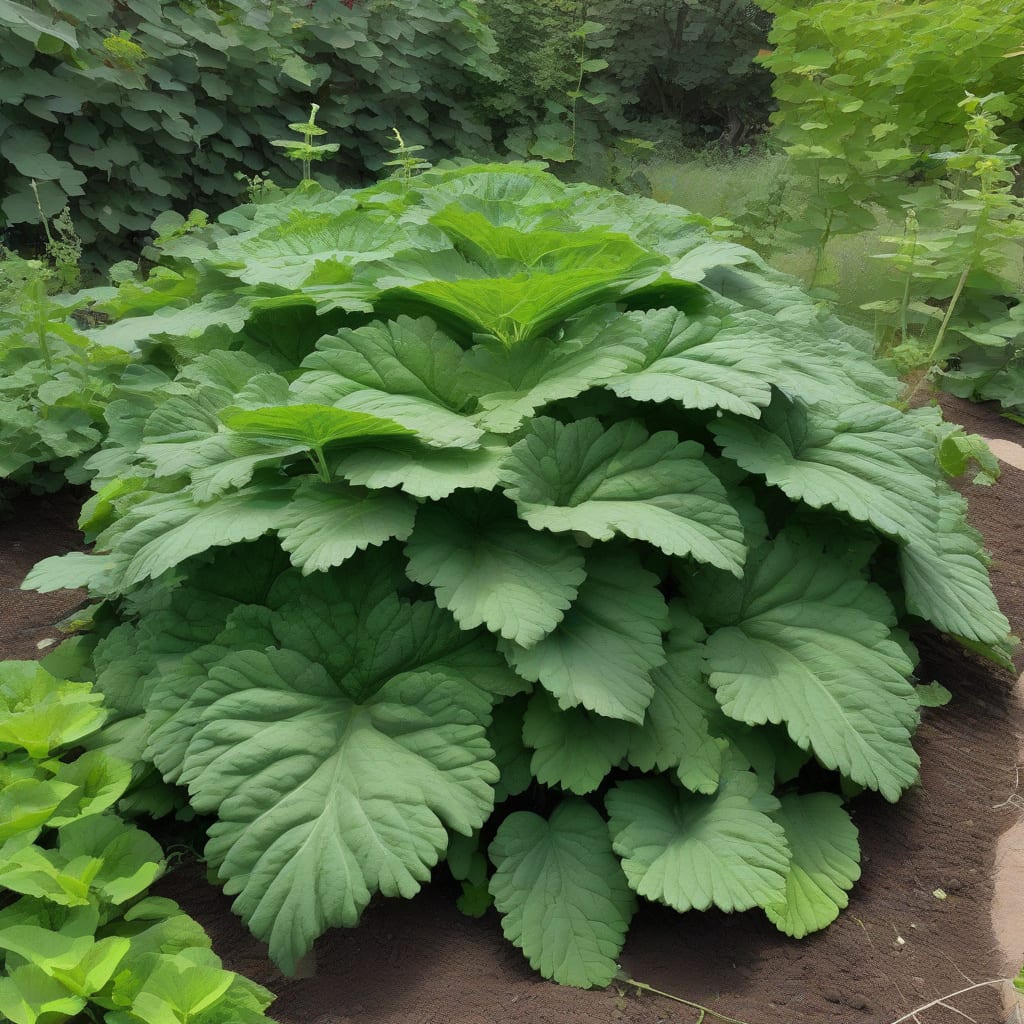
When growing watermelon 🍉 in your garden, understanding their growth habits is essential for maximizing space and yield. Watermelon plants can spread out significantly, with vines reaching lengths of 3 to 6 feet or more in ideal conditions.
In USDA Zone 6, where watermelon thrives during the summer months, proper planning is key. By knowing how tall and wide these plants can grow, you can create a more efficient garden layout and enjoy a bountiful harvest.

Watermelon plants are known for their vigorous growth and spreading nature. They belong to the Cucurbitaceae family, which includes other vining plants like cucumbers and squash. Understanding their growth habits is crucial for planning your garden layout and maximizing your harvest.
The height of watermelon plants can vary significantly based on the variety and growing conditions. Generally, watermelon vines can spread out 3 to 6 feet in length, with some varieties growing even longer. The plants use their tendrils to climb and spread across the ground or trellises.
Watermelon plants require full sun and well-draining soil to thrive. They are warm-season crops that flourish in temperatures between 65°F to 85°F (18°C to 30°C). In USDA Zone 6, it’s essential to wait until the soil temperature reaches 70°F (21°C) before planting watermelon seeds outdoors.
The growth cycle of watermelon plants can be divided into several stages: germination, vining, flowering, and fruiting. Understanding these stages helps gardeners provide the right care at the right time. For instance, during the vining stage, watermelon plants spread out and develop tendrils that help them climb or spread across the ground 🌿.
Proper spacing is critical when growing watermelon. For vining varieties, a spacing of 3 to 5 feet between plants is recommended. This allows the vines to spread out without overcrowding, ensuring good air circulation and reducing the risk of disease.
In addition to spacing, gardeners should also consider the support needs of their watermelon plants. While many watermelon varieties spread across the ground, some can be trained to climb trellises or other supports. This can help save space and keep the fruit off the ground, reducing the risk of rot and other issues 🌼.
By understanding the growth habits of watermelon plants, gardeners can make informed decisions about their garden layout and care practices. This knowledge is key to maximizing yields and enjoying a successful harvest.
Watermelon plants are warm-season annuals that require a long growing season to mature. In regions with shorter growing seasons, starting watermelon seeds indoors 2-3 weeks before the last frost date can give them a head start.
Overall, watermelon plants are relatively easy to grow, provided they receive the right conditions. With proper care and attention to their growth habits, gardeners can enjoy a bountiful harvest of delicious watermelons 🍉.
Several factors influence how tall watermelon plants grow, including the variety, growing conditions, and cultivation methods. Understanding these factors is crucial for gardeners to optimize their watermelon cultivation.
The variety of watermelon is a significant factor in determining plant height. Dwarf or bush varieties tend to be more compact, growing to about 2-3 feet in height, while standard vining varieties can spread out much further, reaching lengths of 5-6 feet or more.
Growing conditions play a crucial role in watermelon plant height. Watermelons require full sun and well-draining soil to thrive. Soil quality, in particular, can impact plant growth, with nutrient-rich soil promoting healthier and more vigorous plants.
Cultivation methods, such as pruning and training vines, can also affect watermelon plant height. Pruning can help control the spread of the vines, while training them to climb trellises can maximize space and promote better fruiting.
By understanding these factors, gardeners can make informed decisions about their watermelon cultivation practices, optimizing conditions for the best possible growth and yield 🌿.
For example, providing adequate water and nutrients is essential for healthy plant growth. Watermelon plants need consistent moisture, especially when they’re producing fruit.
Overall, the height of watermelon plants is influenced by a combination of variety, growing conditions, and cultivation practices. By managing these factors effectively, gardeners can enjoy a successful harvest of delicious watermelons 🍉.
Effective management of watermelon plant growth is crucial for maximizing space and yield in your garden. By understanding how to train vines, space plants appropriately, and provide necessary support, you can optimize your watermelon cultivation.
Train watermelon vines to climb trellises or other supports to maximize space and promote better fruiting. This technique helps keep the fruit off the ground, reducing the risk of rot and other issues.
Proper spacing is essential for healthy watermelon plant growth. For vining varieties, maintain a spacing of 3 to 5 feet between plants. This allows the vines to spread out without overcrowding, ensuring good air circulation and reducing disease risk 🌿.
Supporting watermelon plants can be achieved through various methods. Using trellises or cages can help manage the spread of the vines and keep the fruit off the ground. This not only saves space but also promotes healthier fruit development.
In addition to physical support, watermelon plants benefit from regular watering and fertilization. Consistent moisture and nutrient-rich soil promote vigorous growth and fruit production.
By implementing these tips, gardeners can effectively manage watermelon plant growth, leading to a more productive and successful harvest 🍉.
