
Beautiful Plants For Your Interior
Beautiful Plants For Your Interior
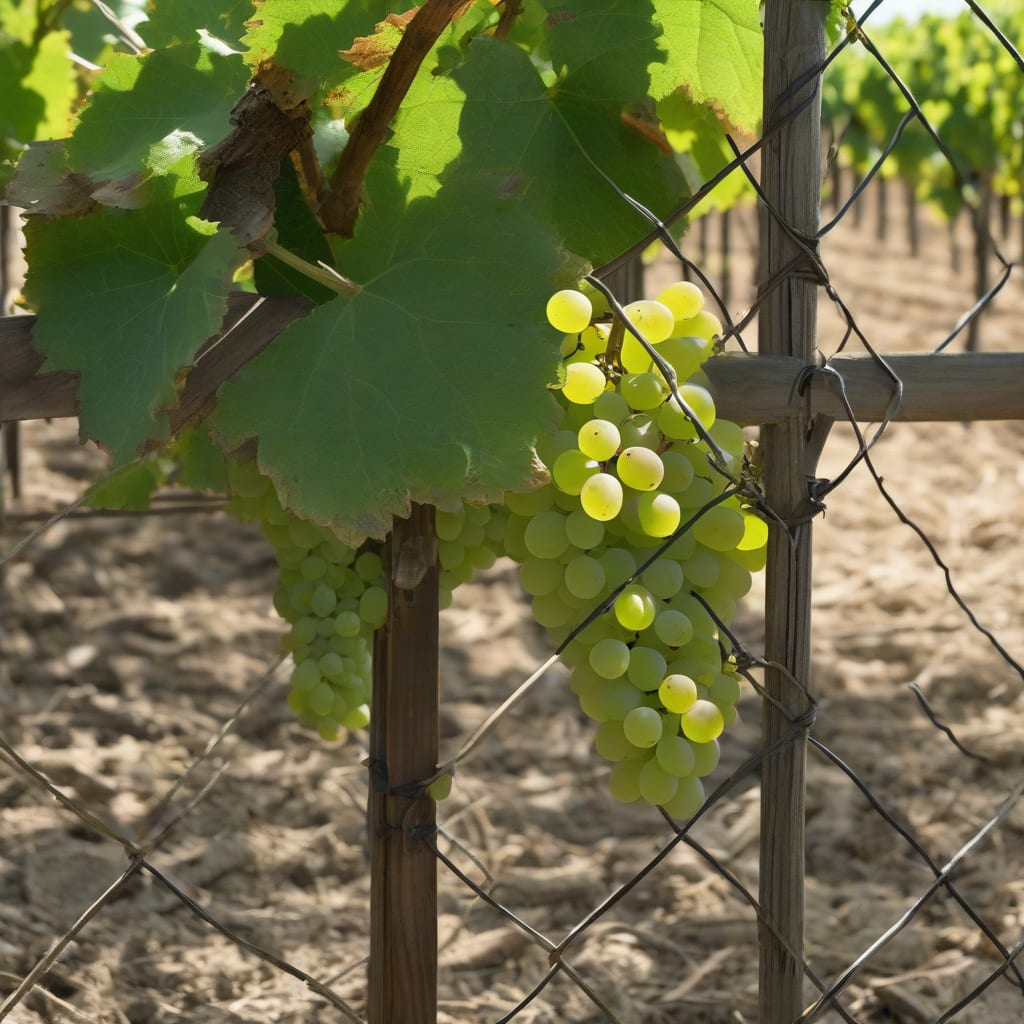
When growing Grape Vines 🍇, understanding their potential height is crucial for planning your garden or vineyard. In ideal conditions, Grape Vines can grow 15-20 feet tall, requiring proper support and pruning to maximize their growth.
Factors like variety, climate, and soil quality play a significant role in determining the mature height of your Grape Vines. By understanding these elements and implementing effective training methods, you can optimize your Grape Vine’s growth and enjoy a bountiful harvest.


Grapevines are known for their vigorous growth and ability to thrive in various conditions. Understanding their growth patterns is crucial for gardeners and vineyard owners to maximize their yield and maintain healthy plants. The height of grapevines can vary significantly based on several factors, including the variety, climate, soil quality, and training methods used.
On average, grapevines can grow between 15 to 20 feet tall, with some varieties reaching even greater heights when given the right conditions and support. Proper care and training are essential to help grapevines achieve their full potential while ensuring they remain manageable and productive.
The variety of grapevine is a primary determinant of its growth pattern and potential height. Some varieties are naturally more vigorous and can grow taller than others. For instance, certain table grape varieties tend to be more robust and can reach greater heights compared to some wine grape varieties.
Climate is another critical factor influencing grapevine growth. Grapevines thrive in temperate climates with warm summers and cool winters. Regions with long growing seasons and adequate sunlight allow grapevines to grow more vigorously and reach their maximum height.
Soil quality is also vital for healthy grapevine growth. Well-draining soil rich in organic matter and essential nutrients supports vigorous growth and helps grapevines achieve their full height potential. Soil pH and nutrient availability can significantly impact grapevine health and productivity.
Training methods, including pruning and trellising, are essential for managing grapevine growth and maximizing height. Proper pruning techniques help control the vine’s structure, promote healthy growth, and encourage fruiting. Trellising systems provide support for the vines as they grow, allowing them to reach their full height while keeping them organized and productive 🌿.
Effective training methods also involve regular maintenance, such as removing unwanted shoots and ensuring the main vine has adequate support. This helps in directing the vine’s energy towards productive growth and fruit production.
Understanding these factors and how they interact is key to optimizing grapevine growth. By selecting the right variety, providing ideal growing conditions, and employing proper training techniques, gardeners and vineyard owners can help their grapevines achieve their maximum height and productivity.
Grapevines that are well-cared for and properly trained can become a stunning addition to any garden or vineyard, providing both beauty and bounty. Their lush foliage and bountiful fruit make them a rewarding crop for those willing to invest the time and effort into their care.
In conclusion, grapevines are capable of growing quite tall when given the right conditions and care. By understanding the factors that influence their growth and implementing effective training methods, growers can maximize the height and productivity of their grapevines, enjoying a healthy and fruitful harvest for years to come.
To maximize grapevine height, it’s essential to provide proper care and training. This includes implementing effective pruning techniques, utilizing suitable trellising systems, managing nutrients, and employing appropriate watering strategies. By focusing on these key areas, you can promote healthy vertical growth and ensure your grapevines reach their full potential.
Pruning is a critical aspect of grapevine care that directly impacts their height and productivity. Proper pruning techniques help control the vine’s structure, promote healthy growth, and encourage fruiting. By removing unwanted shoots and ensuring the main vine has adequate support, you can direct the vine’s energy towards productive growth and fruit production.
Prune your grapevines annually during the dormant season to promote healthy growth and maximize height.
Use a sturdy trellising system to support your grapevines as they grow, allowing them to reach their full height while keeping them organized and productive.
Regularly monitor soil nutrient levels and adjust your fertilization strategy accordingly to support vigorous growth.
In addition to pruning and trellising, nutrient management plays a vital role in promoting grapevine growth. Grapevines require a balanced diet of nutrients to support their vigorous growth and fruit production. Regular soil testing can help identify nutrient deficiencies, allowing you to adjust your fertilization strategy accordingly.
Watering strategies also impact grapevine height. Consistent moisture levels, especially during the growing season, are crucial for healthy growth. However, it’s equally important to avoid overwatering, which can lead to root rot and other issues. Implementing a drip irrigation system can help deliver water directly to the roots, reducing waste and promoting efficient water use.
By combining these best practices – proper pruning, effective trellising, balanced nutrient management, and appropriate watering strategies – you can create an optimal environment for your grapevines to thrive and reach their maximum height.
Regular maintenance is key to ensuring your grapevines continue to grow healthily and productively. This includes monitoring for pests and diseases, adjusting your training methods as needed, and making sure your trellising system remains sturdy and supportive.
With the right care and training, your grapevines can become a stunning addition to your garden or vineyard, providing both beauty and bounty for years to come 🌿.
When growing grapevines, managing their height is crucial for achieving optimal fruit production. Proper height management ensures that the vines receive adequate sunlight, maintain good airflow, and remain healthy. I focus on balancing the height of my grapevines with their productivity to get the best results.
To maximize fruit production, maintain a balanced canopy that allows for adequate sunlight penetration and good airflow. Regular monitoring and adjustments will help prevent disease and promote healthy growth 🌿.
One of the key aspects of managing grapevine height is canopy management. By controlling the density and structure of the canopy, you can ensure that sunlight reaches the fruiting zones, promoting even ripening and reducing the risk of disease. I
Sunlight penetration is another critical factor in grapevine management. Ensuring that the vines receive sufficient sunlight is essential for photosynthesis and fruit development. Proper pruning and training techniques can help optimize sunlight exposure, leading to better fruit quality and higher yields.
Disease prevention is also closely linked to grapevine height management. By maintaining an open canopy and ensuring good airflow, you can reduce the risk of fungal diseases that thrive in humid, shaded conditions. Regular inspections and timely interventions are crucial for keeping your grapevines healthy and productive.
In my experience, achieving the right balance between height and productivity requires careful planning and regular maintenance. By understanding the specific needs of your grapevines and implementing effective management strategies, you can enjoy a bountiful harvest of high-quality grapes.
Effective grapevine height management is an ongoing process that requires attention to detail and a commitment to best practices. With the right approach, you can optimize your grapevines’ growth and productivity, ensuring a successful and rewarding growing season.
