
Beautiful Plants For Your Interior
Beautiful Plants For Your Interior
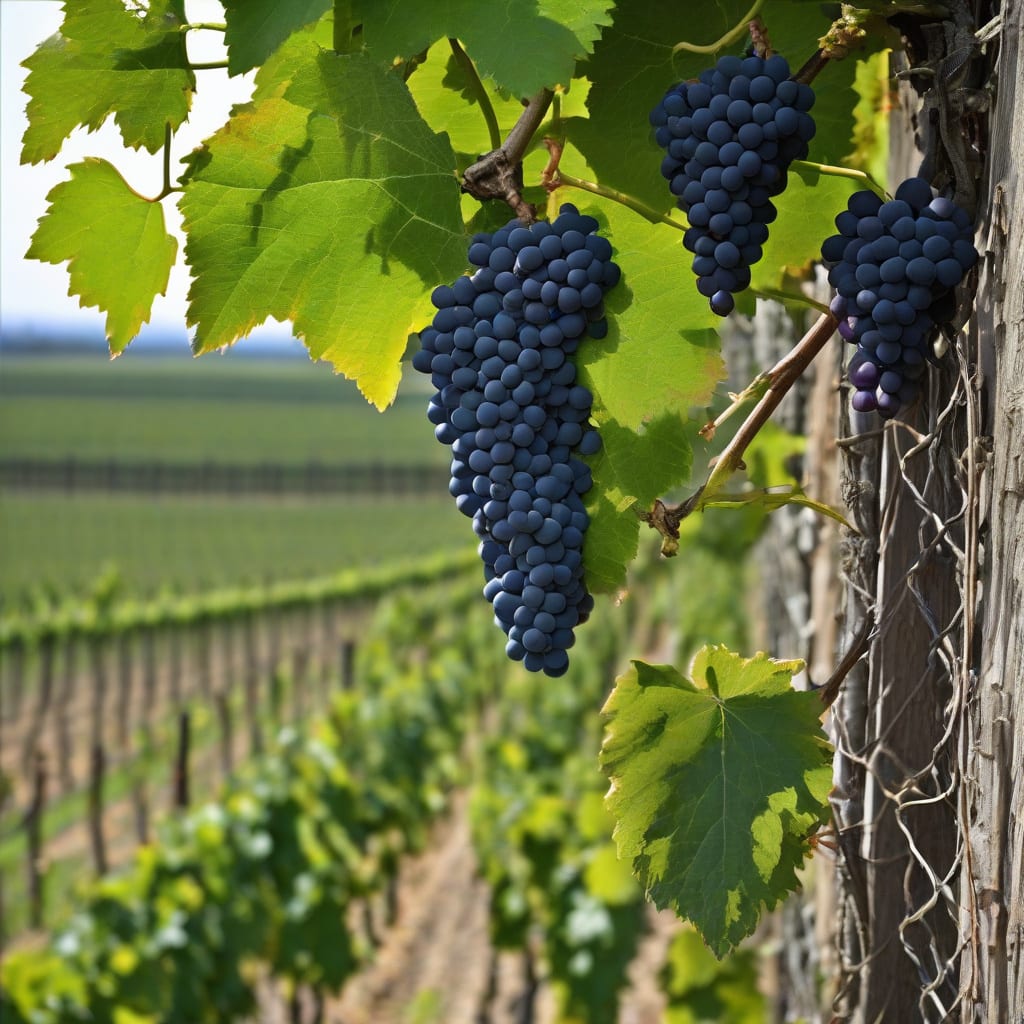
I’ve always been fascinated by the versatility of Grape Vines 🍇. These remarkable plants can transform any garden or vineyard with their lush foliage and bountiful harvests. But have you ever wondered just how tall they can grow?
Understanding the growth potential of Grape Vines is crucial for maximizing their yield and ensuring they thrive in your garden. Let’s explore the factors that influence their height and how you can support their growth.


Grape vines are known for their vigorous growth and ability to reach impressive heights when properly managed. The maximum height a grape vine can achieve depends on several factors, including the variety, climate, soil quality, and cultivation practices.
Some grape vine varieties are naturally more vigorous than others and can grow taller with proper support. For example, certain wine grape varieties can reach heights of 15 to 20 feet or more in a single growing season.
The climate plays a crucial role in determining how tall grape vines can grow. Regions with long growing seasons and adequate warmth allow vines to grow more vigorously.
In ideal conditions, grape vines can grow 15 to 20 feet tall in a single season. Proper care, including regular pruning and training, is essential to manage their growth and maximize their potential.
Soil quality is another critical factor that affects grape vine growth. Vines thrive in well-draining, nutrient-rich soil that provides the necessary nutrients for vigorous growth.
Cultivation practices, such as pruning and training, significantly impact the height and structure of grape vines. Proper techniques help manage vine growth, promote fruiting, and maintain overall vine health.
Understanding these factors and how they interact is key to optimizing grape vine growth and achieving achieving their desired height. By selecting the right variety and providing optimal growing conditions, you can support the development of healthy, vigorous vines.
Grape vines are a versatile and rewarding crop, offering both aesthetic appeal and bountiful harvests. Their growth potential makes them an excellent choice for gardeners and vineyard owners alike.
With proper care and management, grape vines can reach their full growth potential and provide years of enjoyment and productivity.
Regular monitoring and maintenance are essential to ensure that grape vines remain healthy and continue to thrive. By understanding and addressing the factors that influence their growth, you can maximize their height and overall performance.
In conclusion, grape vines are capable of reaching impressive heights when given the right conditions and care. By understanding their growth potential and implementing proper cultivation practices, you can support their development and enjoy the many benefits they offer.
Training grape vines is a crucial step in achieving optimal height and yield. Proper training techniques help manage vine growth, promote fruiting, and maintain overall vine health. I recommend starting with a sturdy trellis system that can support the weight of the mature vine and its fruit.
The choice of trellis system depends on the specific grape variety and growing conditions. Common systems include the single curtain and double curtain methods, which provide excellent support and promote even fruiting.
Plant grape vines 6-8 feet apart along the trellis. Train the main shoot vertically, securing it to the trellis as it grows.
Regular pruning is essential to manage vine growth and promote fruiting. Remove any weak or damaged wood, and thin out the canopy to allow for good air circulation.
Continue to train the vine along the trellis, removing any suckers or unwanted growth. Monitor for pests and diseases, and take action promptly if necessary.
By following these steps and providing proper care, you can achieve optimal height and yield from your grape vines. Regular monitoring and maintenance are essential to ensure that the vines remain healthy and continue to thrive.
Proper spacing is also critical for optimal growth and fruit production. Grape vines need adequate space to grow and receive sufficient sunlight and air circulation. I recommend spacing them 6-8 feet apart to allow for good air circulation and sunlight penetration.
In addition to proper training and spacing, regular pruning is necessary to manage vine growth and promote fruiting. Prune the vines annually to remove any weak or damaged wood and to thin out the canopy.
With proper care and management, grape vines can reach their full growth potential and provide years of enjoyment and productivity. By understanding and implementing proper training techniques, you can support the development of healthy, vigorous vines.
Grape vines are a versatile and rewarding crop, offering both aesthetic appeal and bountiful harvests. Their growth potential makes them an excellent choice for gardeners and vineyard owners alike 🌿.
Managing tall grape vines presents several challenges that require careful consideration and strategic solutions. One of the primary concerns is harvesting difficulties, as tall vines can make it hard to reach the fruit. To address this, growers often use specialized equipment or techniques to safely access the grapes.
Tall grape vines require regular maintenance to prevent disease and ensure structural integrity. Regular monitoring is crucial to identify potential issues before they become major problems.
Disease management is another critical aspect of managing tall grape vines. The dense canopy of tall vines can create a humid microclimate that fosters disease development. Regular monitoring and preventive measures, such as fungicide applications, are essential to mitigate this risk.
Structural support is vital for maintaining the health and productivity of tall grape vines. A robust trellis system helps to support the weight of the vines and fruit, reducing the risk of damage or collapse.
To effectively manage tall grape vines, growers must balance the need for optimal height with the challenges associated with maintaining such vines. By implementing proper care and management strategies, growers can maximize the potential of their grape vines while minimizing the associated risks.
Regular pruning and training are essential practices for managing tall grape vines. These techniques help to maintain a balanced structure, promote healthy growth, and ensure optimal fruit production.
By understanding the challenges and implementing effective solutions, growers can successfully manage tall grape vines and enjoy the benefits of a bountiful harvest. With proper care and attention, grape vines can continue to thrive and provide years of enjoyment and productivity 🌿.
