
Beautiful Plants For Your Interior
Beautiful Plants For Your Interior
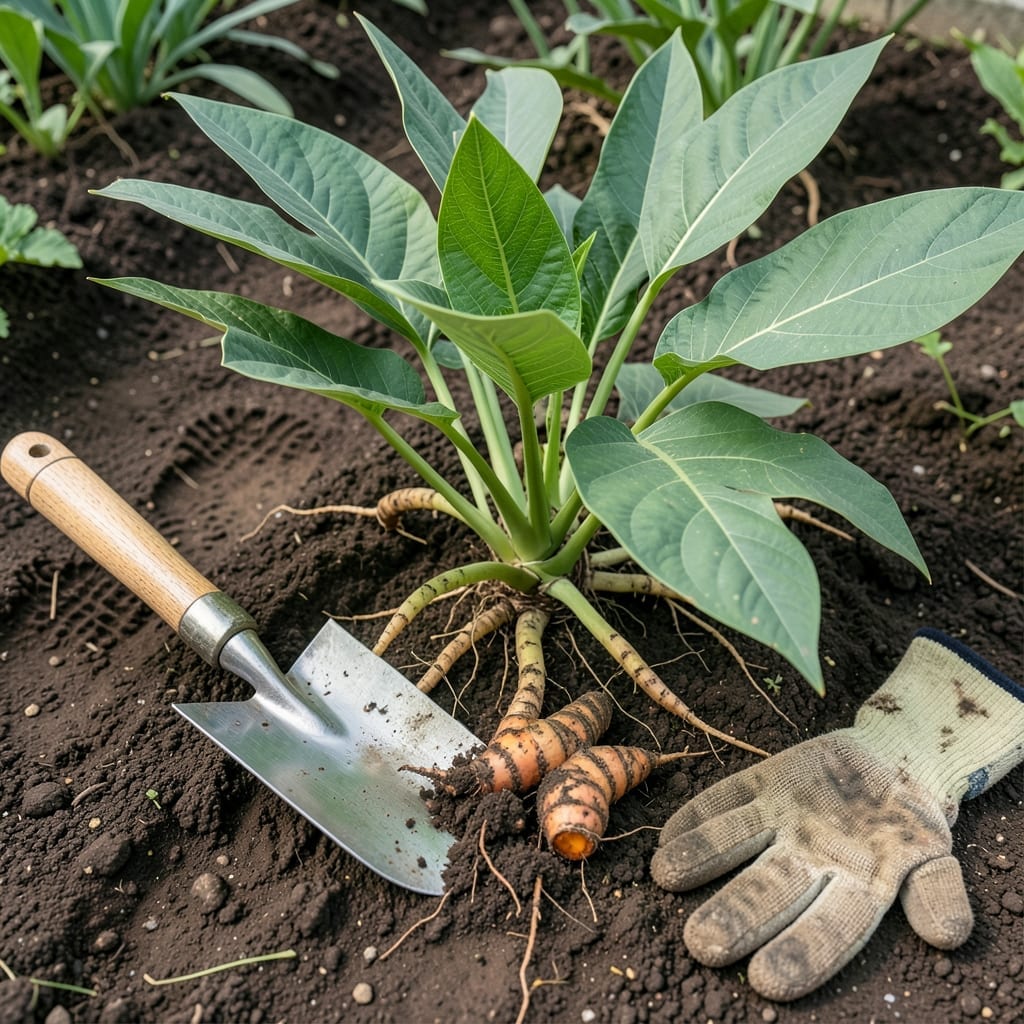
Yes, turmeric is a root—specifically the rhizome of the Curcuma longa plant, which grows underground and is harvested for its vibrant orange flesh and medicinal properties.
This underground stem plays a crucial role in storing nutrients for the plant. I find its knobby, finger-like appearance fascinating—it’s what gives turmeric its distinct shape in grocery stores. The rhizome’s vibrant orange hue comes from curcumin, the compound responsible for its health benefits. 🌟
What sets it apart from other roots is its horizontal growth pattern just below the soil surface. This makes harvesting easier compared to deep taproots. I’ve noticed that fresh turmeric has a brighter flavor than the powdered version most people use.
💡 In This Article
Turmeric belongs to the Zingiberaceae family, the same botanical group as ginger. Unlike true roots that grow downward, rhizomes are horizontal, thickened underground stems. They store starches and nutrients, allowing the plant to survive dormancy and sprout new shoots in favorable conditions.
This storage function is why turmeric rhizomes contain such high concentrations of active compounds like curcumin. 🌟
The rhizome’s physical structure is distinctive: knobby, segmented, and typically 2-3 inches long with a rough, brownish skin. Underneath lies the vibrant orange-yellow flesh that intensifies in color as it matures. Each segment, called a “finger,” can produce new plants when planted, making turmeric highly propagative.
The primary rhizome (or “mother”) develops smaller offshoots as the plant grows.
Botanically, turmeric rhizomes serve multiple purposes in the plant’s life cycle. They anchor the plant while storing energy for growth and reproduction. During the dormant season, the above-ground foliage dies back, but the rhizome remains alive underground, ready to regrow when conditions improve.
This resilience makes turmeric well-adapted to tropical climates with distinct wet and dry seasons. ⚡
What distinguishes turmeric from other underground plant parts is its classification as a stem, not a root. True roots (like carrots) have a single taproot system, while rhizomes have nodes and internodes like above-ground stems. You can even see small buds on the rhizome’s surface that would develop into new shoots if planted.
This anatomical detail explains why turmeric can be propagated so easily from cut pieces. ✨
The rhizome’s composition changes as it matures. Fresh turmeric contains about 60-70% moisture, while dried turmeric (the powder form) has less than 10%. This dehydration process concentrates the curcumin content, making the powder significantly more potent by weight than the fresh rhizome. The drying also develops the characteristic earthy aroma that defines turmeric’s culinary profile.
This unique growth pattern and storage capability make turmeric rhizomes particularly valuable. Unlike annual plants that die completely after one season, turmeric’s rhizome system allows it to persist for years, producing new growth each season while continuing to expand its underground network.
This is why commercial turmeric farms can harvest from the same plants for multiple years. 💫
Turmeric comes from the underground rhizome of the Curcuma longa plant. While often called a root, it’s technically a horizontal stem that stores nutrients. This is why it looks knobby and segmented.
Both are rhizomes from the same plant family, but turmeric has bright orange flesh and a peppery flavor. Ginger has pale yellow flesh and a zesty, spicy taste. Turmeric also contains more curcumin.
Yes, but it has an intense, slightly bitter taste. Many people prefer it cooked or dried. Fresh turmeric should be peeled first, just like ginger. Start with small amounts.
The vibrant orange-yellow hue comes from curcumin, its main active compound. This pigment is highly concentrated in the rhizome and intensifies when dried. It’s also what gives curry its golden color.